The White Sox name Matt Roffe to lead MLB Draft efforts and begin a search for a TV play-by-play announcer as Bears stadium rumors swirl.
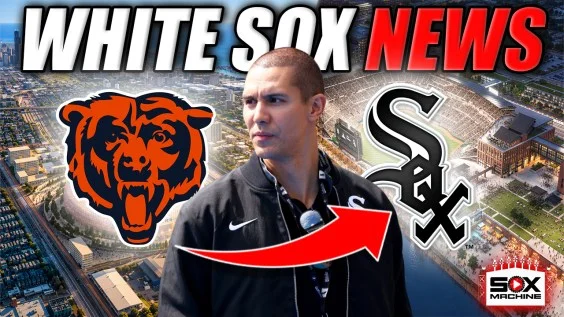
White Sox Changes and Bears Stadium Chatter
The Milwaukee Brewers’ five-game run to the 2026 World Series title frames a busy stretch of Chicago baseball news. The White Sox hired Matt Roffe to lead their MLB Draft efforts and parted ways with TV play-by-play announcer John Schriffen, leaving an intriguing field of candidates for the role.
A Front Office Hire With a Long Horizon
Roffe’s appointment puts the draft at the center of one part of the White Sox’s organizational work. Draft leadership can shape how a club identifies amateur players, weighs potential against current performance, and coordinates decisions across its scouting and baseball operations groups. Those choices usually take years to show up at the major league level, so a new leader’s influence won’t be measured by a single announcement or draft cycle.
The hire also comes amid a broader stretch of Chicago baseball attention, with the Brewers’ championship serving as a regional reference point. A rival’s title can sharpen questions about how other clubs are building, but the source provides no details about the White Sox’s draft strategy or how Roffe plans to change it. For now, the meaningful fact is the appointment itself. Any claims about a new direction would be premature.
For readers following the team, the useful signals will come later: which players the organization selects, how it describes its priorities, and whether those choices fit together over time. Drafting is inherently uncertain. Even a sound process can produce uneven results, and an individual player’s development depends on more than the decision made on draft day.
A Broadcast Departure Opens a Public-Facing Role
Schriffen’s departure creates a different kind of opening. A play-by-play announcer is one of the most visible voices attached to a team, carrying games for viewers across a long season. The role calls for clear description, pacing, preparation, and the ability to make a broadcast useful for both committed fans and people tuning in casually.
The source describes the field of possible candidates as intriguing, but it doesn’t identify anyone being considered. That makes the vacancy a point of interest rather than a contest with an established front-runner. A team’s eventual choice can affect how its broadcasts sound, yet the position shouldn’t be mistaken for a measure of the club’s on-field plans.
There’s also a basic distinction between a personnel change and an explanation for one. The White Sox parted ways with Schriffen, but no reason is given here. Without that context, it would be a mistake to attach a motive or read the departure as evidence of a wider internal shift. The next concrete development is likely to be the team’s choice of a successor.
Two Stadium Signals, One Unsettled Question
The Bears’ stadium discussion is less definite. The Chicago Sun-Times featured a rendering of a stadium in Bridgeport, while Crain’s Chicago Business reported hours later that a deal for Arlington Heights was nearly complete. Those items point readers toward different locations, but they don’t establish that either project is settled. A rendering communicates a proposal visually; a report about a deal describes a separate stage of discussion. Neither, on its own, answers what the Bears will ultimately do.
This is more significant than it looks because stadium stories often mix several kinds of information: concepts, negotiations, public statements, and decisions. They can circulate at different speeds and carry different levels of certainty. A striking image may make a site feel tangible, while a report that a deal is close can suggest momentum. But “nearly complete” still leaves room between a reported negotiation and a finished outcome.
Here’s the thing: competing reports don’t necessarily mean that one outlet is wrong. They may reflect different information, different moments in a negotiation, or attention to different parts of a complicated process. The article doesn’t supply enough detail to determine which explanation applies. Readers should treat the two reports as signs of active stadium speculation, not as confirmation that both locations are equally likely.
Why Bridgeport Keeps Returning to the Conversation
The source asks why the Bridgeport proposal keeps resurfacing, but it doesn’t provide an answer. That leaves room for a careful distinction: a proposal can remain in public discussion because it offers a visible alternative, attracts attention, or continues to be considered, but none of those possibilities is established here. A rendering alone can’t show how serious a site is, what discussions have taken place, or what practical questions remain.
Stadium proposals generally involve more than the design shown in an image. Site suitability, transportation, surrounding development, financing, and the interests of the parties involved can all matter. Those are common considerations in stadium planning, not confirmed details about Bridgeport or Arlington Heights in this case. The available material doesn’t describe the status of those questions for either location.
And yet, the repeated appearance of Bridgeport is itself a reason the proposal draws attention. It gives the public a concrete alternative to consider while the Arlington Heights report points toward a different outcome. The tension between those signals makes the story worth following, though it doesn’t resolve the central question. A picture, a reported deal, and a final decision are three different things.
What to Watch Next
If you’re working in this space, the practical task is to separate confirmed personnel changes from interpretation and stadium reporting from visual presentation. On the White Sox side, the next useful information will concern Roffe’s approach to draft work and who takes over the broadcast booth. On the Bears side, further reporting would need to clarify what “nearly complete” means and whether Bridgeport remains under active consideration.
Until then, the Chicago sports picture is busy but uneven. The baseball developments are concrete: a draft leader has been hired, and a broadcaster has departed. The stadium discussion is more fluid, with a Bridgeport rendering and an Arlington Heights report pulling attention in different directions. A pause in certainty. That’s the part most likely to get lost when a compelling image or a confident headline takes over the conversation.
Presented by Ankin Law - Injury Law Made Personal
Discussion
Sign in to join the discussion.