Thomas Steele has been charged with murder in Alabama after the gruesome deaths of his grandmother and aunt, prompting a mental competency evaluation.
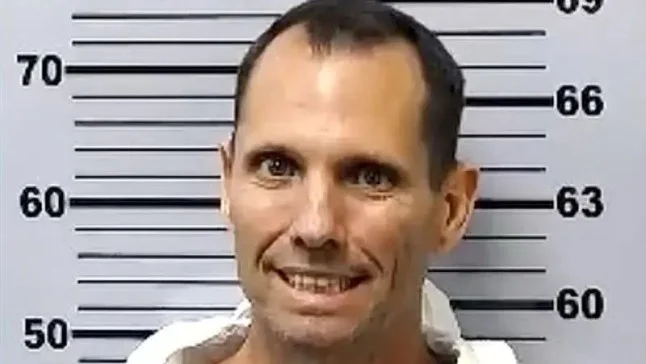
An unsettling incident in Mobile, Alabama, has led to serious charges against 47-year-old Thomas Steele, who is accused of murdering two family members using a chainsaw. The shocking nature of the crime is underscored by Steele's police mugshot, in which he exhibits a disturbing grin that seems almost surreal for someone facing capital murder charges. This grin has raised eyebrows and intensified public curiosity about his mental state and the circumstances leading to such a horrific act.
Timeline of Events
Authorities arrested Steele on Monday after finding the lifeless bodies of 65-year-old Christy Deloach and 85-year-old Dora Boone at their shared residence. The situation escalated rapidly when Deloach dialed 911, expressing concern over Steele's increasingly erratic behavior after stopping his medication. This aspect is critical; medication non-compliance often results in severe consequences for individuals with preexisting mental health conditions. In many instances, loved ones may notice changes in behavior that foreshadow troubling incidents.
During the call, Deloach reported that her nephew had started “doing some bizarre things” and had even given away his cell phone and car. He claimed he intended to live solely for God, a notable shift that suggests a possible break with reality. While she characterized him as calm, indicating he was "not violent or anything," the perplexing dichotomy here becomes starkly evident. Just a few hours later, the scene would tell a different, horrifying story.
Just two-and-a-half hours post-call, police arrived at the home and discovered the bodies, soon apprehending Steele at the scene. The aftermath of such incidents often leads to discussions about the available mental health resources. Could earlier intervention have changed the course of events? This is a point many in the community may consider as they process the horror of the situation.
Court Proceedings and Mental Health Evaluations
The following day, Steele had a court appearance for a bond hearing on two counts of capital murder, where the identities of the victims were confirmed. Highlighting his troubling demeanor, during the court proceedings, Steele was told he would be appointed a public defender. His nonchalant response, “No. Kill him,” raised alarms about his mental state, leading authorities to consider a psychiatric evaluation to assess his competency for trial. The courtroom atmosphere turned tense as everyone grappled with the implications of such a statement.
Glenn Davidson, Steele's assigned public defender, noted potential grounds for an insanity plea, citing visible mental health issues. This raises significant questions about how mental illness is treated in the legal system. In many jurisdictions, defendants claiming insanity are still viewed through a lens of skepticism, leading to challenges when navigating legal standards. The severity of the crime could overshadow the mental health aspect, complicating the narrative that the defense aims to portray.
This perspective was echoed by Mobile County District Attorney Keith Blackwood, who indicated that they believed Steele resided with Deloach and Boone prior to the incident. “What’s contained in the complaint speaks to the gruesome nature of this,” Blackwood stated, emphasizing the gruesome details expected to surface in future court proceedings. Such statements highlight societal anxieties surrounding violent crimes, especially when family dynamics are involved.
Public Reaction and Community Impact
Current assessments of Steele's mental health are critical: should he be found unfit to stand trial, processes will need to be set in place for restoration to competency before any legal proceedings can continue. The idea of a defendant being deemed unfit raises questions about accountability and justice. If a person acts violently due to untreated mental illness, how should society respond? That's a complex issue many are grappling with as they consider the implications of this case.
In the event of an acquittal on the grounds of insanity, measures will still be enacted to ensure public safety, reflecting a dual challenge faced by the justice system in handling mental health crises while also addressing violent crime. Society must weigh its need for justice against compassion for those suffering mental health issues. Meanwhile, Steele's case becomes a focal point for conversations around mental health resources and legal frameworks.
Future Outlook
As of now, Steele has not entered a plea and remains in custody, denied bond. The community grapples with the unsettling specifics of the case, with many eager for more information as the legal process unfolds. If you're working in this space or simply following such cases, you'll know that public interest often shapes outcomes—particularly when horrific crimes become emblematic of larger systemic issues.
What this means for you is that cases like Steele's prompt necessary discussions about how society handles mental illness, family dynamics, and violent crime. It highlights a pressing need for better mental health interventions before situations reach a crisis point. And yet, as we reflect on the current events, we must also prepare for subsequent developments in the legal proceedings that may bring further shocking revelations to light.
Discussion
Sign in to join the discussion.