The USOPC is weighing outside financing for a new venture spanning sponsorship, licensing and content as it prepares for post-2028 rights deals.
A broader commercial play
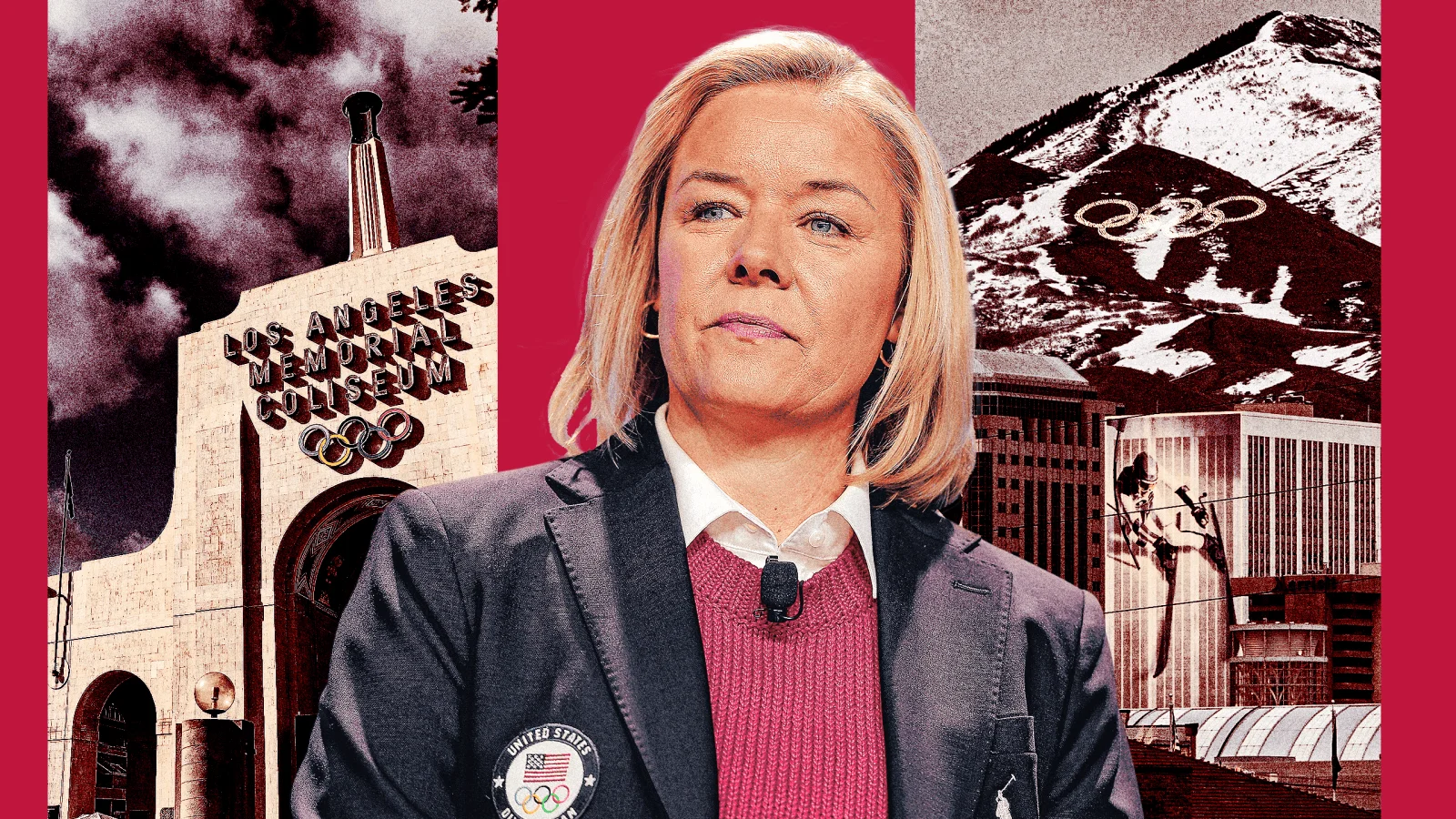
The USOPC is considering outside capital to build a commercial rights business with a broader reach than Olympic sponsorship. CEO Sarah Hirshland says the proposed U.S. Olympic and Paralympic Ventures would bring together sponsorship, licensing, content distribution and direct-to-consumer sales. The aim is to expand how Team USA identifies and serves fans, and to connect those commercial activities in one business. That could give the committee more ways to engage supporters between Games, when the Olympic spotlight naturally recedes.
“Sports entities are all focused on building their direct-to-consumer value proposition,” Hirshland told Sportico. “How do we build our fan base, know who our fans are and customize offerings for those fans? How do we drive content and engagement both within our competition environment but also outside and beyond our competition environment?”
That ambition reflects a broader shift in sports: organizations want more direct knowledge of the people who follow them, rather than relying only on event audiences or sponsors to reach those fans. The commercial logic is straightforward. Better access to fan relationships could help make sponsorships more targeted and content more relevant. But it also raises a harder question: how much of that audience can the USOPC keep engaged when there isn’t a major competition underway?
A rights transition is approaching
The timing is tied to the organization’s next commercial cycle. The USOPC’s commercial arrangement with the Los Angeles 2028 Olympic organizing committee ends after those Games. It hasn’t yet reached a corresponding agreement with the organizers of the 2034 Winter Games in Utah. Meanwhile, the renewal window for commercial rights beginning in 2029 opens in January.
These overlapping deadlines give the committee a limited period to decide what rights it wants to package, who should control them and how a new entity might fit alongside the organizing committees. Commercial rights are not a single product: sponsorship, licensing and content can involve different partners and different audiences. Bringing them together could create a clearer offer for investors and brands, but the details will determine whether that structure serves the USOPC’s needs.
Hirshland said discussions about the venture began in 2024 and have gained urgency as those deadlines approach. The USOPC has hired Raine Group to assess financing options, including selling a stake or raising debt, according to earlier reporting by Sky News. That report said the entity might be valued in the billions; Hirshland declined to discuss valuation.
Asked whether the committee would consider private equity, institutional investors or sovereign wealth funds, Hirshland said, “Our responsibility is to look at all of our options, and I would say we are doing that.”
The range of options matters. Selling a stake could bring in capital and a partner with commercial experience, while debt would leave ownership with the committee but create repayment obligations. The source of funding alone won’t answer the central question: what rights, decision-making authority and financial returns would an outside investor receive?
Revenue beyond the Olympic cycle
The planned venture would cover domestic and international sponsorship and licensing, content distribution, and direct-to-consumer sales. Ticketing and hospitality for Utah 2034 would stay with that Games’ organizing committee. That division suggests the venture is meant to build a continuing commercial operation around the USOPC’s rights, rather than take over every source of revenue associated with an Olympic event.
The commercial opportunity sits against a revenue base that rises and falls with the Olympic calendar. Tax filings show Team USA reported $496 million in revenue in 2024, the year of the Paris Summer Games, and $264 million in 2025, an Olympic off-year. The difference illustrates why a smoother stream of income could appeal to the committee, though two years alone don’t show how much a new venture might reduce those swings.
Olympic attention can give sponsors unusual reach, but that attention is concentrated around the Games. A year-round business would need to give partners and fans reasons to stay engaged in quieter stretches, through content, licensing or other offerings. The proposal’s list of business lines describes the tools; it doesn’t yet show how the USOPC plans to use them to build recurring demand.
Its domestic partners include Comcast, Delta Air Lines, Google, Starbucks, Chase, Allstate and Honda. The USOPC also shares global commercial revenue with International Olympic Committee partners such as Alibaba, Coca-Cola, Procter & Gamble and Visa. That existing network is a meaningful starting point, but any new structure would have to account for which rights belong to the USOPC and which sit within the wider Olympic system.
Who benefits from the structure?
The proposal arrives amid scrutiny of sports bodies’ efforts to sell stakes in commercial operations. In June, FIFA withdrew a plan to sell stakes in its commercial business after strong opposition from member organizations, particularly UEFA. The episode shows that a commercial venture can become a governance question as soon as stakeholders believe that rights, control or future income are being shifted away from them.
Hirshland said she wasn’t familiar with the details of FIFA’s plan. She framed the USOPC effort around funding athletes and national governing bodies: “Our support for Team USA athletes and our national governing bodies is at the center of our motivation and will remain at the center of our motivation from start to finish. This is about growing the revenue pie for the constituencies that we serve.”
That commitment will matter most in the venture’s eventual terms. A new commercial entity could create value, but the structure has to make clear how that value reaches athletes and national governing bodies, and what happens if growth falls short of expectations. A stated mission is a starting point; the allocation of revenue and authority is what stakeholders will be able to judge.
The test is year-round engagement
The venture’s value will depend on whether it can turn Olympic attention into year-round fan relationships and steadier commercial income. With rights renewals starting in January and the Los Angeles agreement ending in 2028, the USOPC has a narrow window to shape that model.
Here's the thing: a new corporate structure won’t create an audience by itself. The USOPC will need content and offers that give fans a reason to engage outside competition, while ensuring that sponsors see value in reaching them during those periods. If you're working in this space, the more telling measure will be whether the proposed business can connect those activities without blurring who owns the rights or who benefits from the proceeds.
This is more significant than it looks. The committee is weighing how to fund its work and organize its commercial future at the same time, under deadlines that leave little room for an open-ended process. The numbers here are underwhelming as a guide to what comes next: the reported revenue swing shows the challenge, but doesn’t establish that outside capital or a unified rights business will solve it.
There’s also a practical hurdle (and this is the part most people overlook): fans don’t necessarily follow the same sports or content throughout an Olympic cycle. Building a direct relationship means giving them reasons to return, not simply collecting audience data when interest peaks. Hard work. That will take a clear offer and a credible way to share the resulting value with the groups the USOPC says it serves.
What this means for you is that the next commercial cycle will reveal more than the USOPC’s appetite for investment. It will show how the committee intends to balance outside financing, rights control and its stated responsibility to athletes and national governing bodies. Until the terms and operating plan are clearer, the venture remains a proposal with a substantial commercial promise and a practical test ahead.
Discussion
Sign in to join the discussion.