Top sports investment bankers say MLB franchises remain attractive despite a labor fight, with on-field changes lifting attendance and ratings.
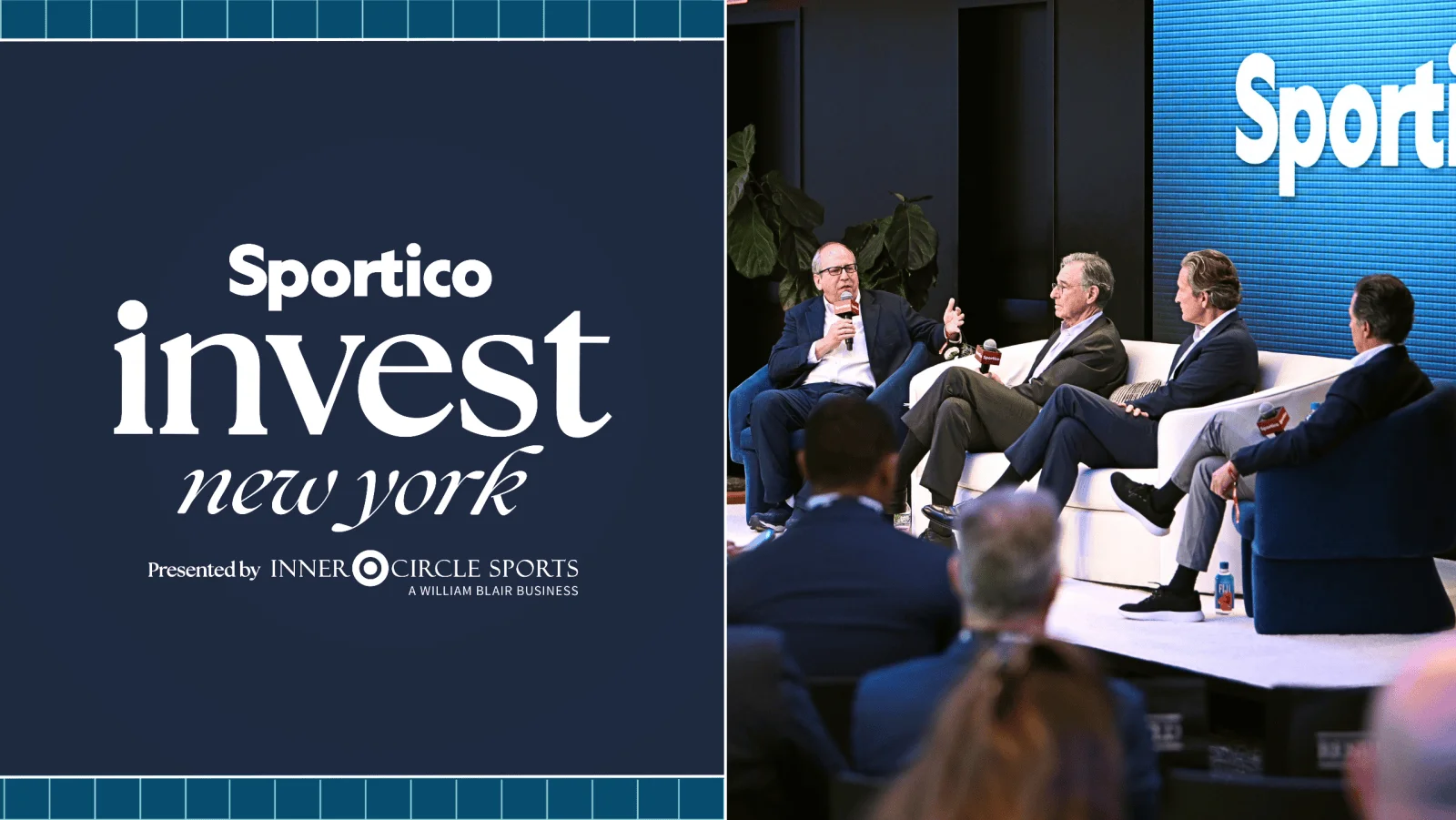

Baseball is heading into a difficult collective bargaining negotiation, and some of the sport's most active dealmakers still want in. At Sportico's Invest New York event, several top sports investment bankers made the case that MLB franchises remain a strong buy, even with a work stoppage on the horizon. Here's the thing: bankers generally earn on deal volume, so a room full of them calling the market attractive deserves a closer look. I'm not saying they're wrong. But you'll want to weigh who's doing the talking.
Labor pain, and hope for a better outcome
Steve Greenberg of Allen & Company didn't sugarcoat baseball's track record. "Baseball has a long, tortured history when it comes to labor, dating back to the '60s," he said. "Hopefully, this is the year where smarter minds get together." That's a candid admission from someone whose firm works in the business of the game's future. Labor fights in professional sports tend to follow a familiar script: each side digs in over how the revenue gets divided, and the fans who care most are the last to be consulted.
He's bullish anyway. Changes on the field are driving higher attendance, ratings and fan interest, and that momentum is hard to ignore (and this is the part most people overlook: the on-field product is the asset that owners are actually selling). And yet, the economic structure underneath all of it is the piece Greenberg sees as broken. The fix, in his view, is structural. "The next step is to get the economic system right," Greenberg said. That won't come cheaply. "I think it's not going to come without some pain." He said he'd be "happily mistaken" if MLB loses games in April, and he's "hopeful" the full season survives.
Pain, in other words. Lots of it, and the people selling the product are openly saying so. That's a more honest framing than most league-friendly rhetoric, and it's the reason his optimism reads as conditional rather than naive.
Why team ownership still looks attractive
Gregg Lemkau of BDT & MSD Partners laid out the case for buying a team: tax benefits, assets that can pass across generations, and the chance to be civic-minded in a community. That list will be familiar to anyone who has followed franchise sales. Sports teams don't trade like a typical operating business, and their appeal rests on intangibles as much as on the spreadsheet. He also pointed to something harder to model.
"I've seen lots of CEOs have great quarters and never have a ticker tape parade when they have a great quarter," Lemkau said. "You win a sports championship for your city, you're going to be remembered forever." That's the emotional core of the pitch, and it's why a franchise can look expensive on paper and still find eager buyers. Here's what I'd push back on, though: the same emotional pull that drives prices up can also make rational analysis harder to apply.
Women's sports and the college football question
Inner Circle Sports has been central to the rise in women's sports franchise values, brokering many transactions, especially in the NWSL. Rob Tillis said the firm spotted the trend early. "We said there's a big dislocation between where the men's teams are trading and where the women are," he said. The thesis is that helping those teams commercialize and launch new leagues will lift the whole market, "which is what's happened." Early pricing gaps like that are where advisers tend to earn their keep, and they also tend to close once enough buyers notice.
Greenberg also expects college football to look very different in a decade. "I don't have a crystal ball, but if I were to guess, you're going to see the NFL of college football," he said. Schools, he predicted, will claim whatever dates the NFL leaves open in the fall, producing football wall-to-wall and a far more professionalized top tier. That's a bold forecast from someone who admitted he can't see the future. Whether it plays out depends on decisions that a panel discussion can't settle.
Is this a bubble?
The panel agreed that recent returns on sports teams, often topping 20% a year, aren't sustainable. That's a striking number, and I'd want to see how it was calculated before repeating it as settled fact. Returns like that tend to pull in new buyers faster than the underlying businesses can grow into their prices. None of the panelists saw a bubble, though, which tells you something about how insiders read their own market.
"It always feels like you're at the top until the next deal happens," Lemkau said. "Then you say, 'Wow, these numbers can keep going up.'" That's a fair description of how markets feel from the inside. It also explains why skeptics and dealmakers can look at the same data and reach opposite conclusions.
What this means if you're watching the sport
If you're a fan, the practical question is simpler than the valuation debate. A work stoppage would interrupt the momentum that Greenberg credits with bringing people back to the ballpark, and that momentum is fragile in ways that are hard to reverse. Leagues that absorb a shutdown often find that some fans drift away during the gap, and they don't always return on the same schedule as the owners' revenue.
If you're working in this space, the panel's comments point to two things worth tracking. The first is whether the sides treat the economic system as the core problem, as Greenberg does, or as a side issue to be settled after the headlines fade. The second is whether the enthusiasm among bankers and buyers outpaces what the on-field product can deliver. Neither question has an answer yet, and that's exactly why the next few months matter.
My read: the real question for MLB isn't whether investors still want in. It's whether the sides can fix the economics before a stoppage erases the on-field momentum that's bringing fans back.

Discussion
Sign in to join the discussion.