Bash Kehinde describes the moments after her son Josh McKay was stabbed in front of his child, and why she wrote a book about him.
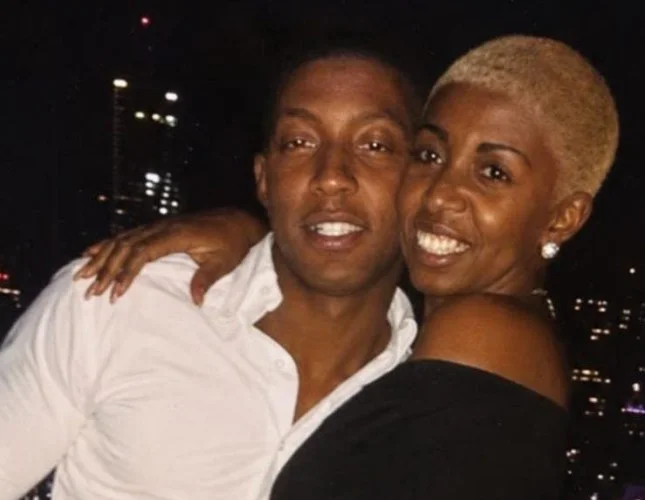
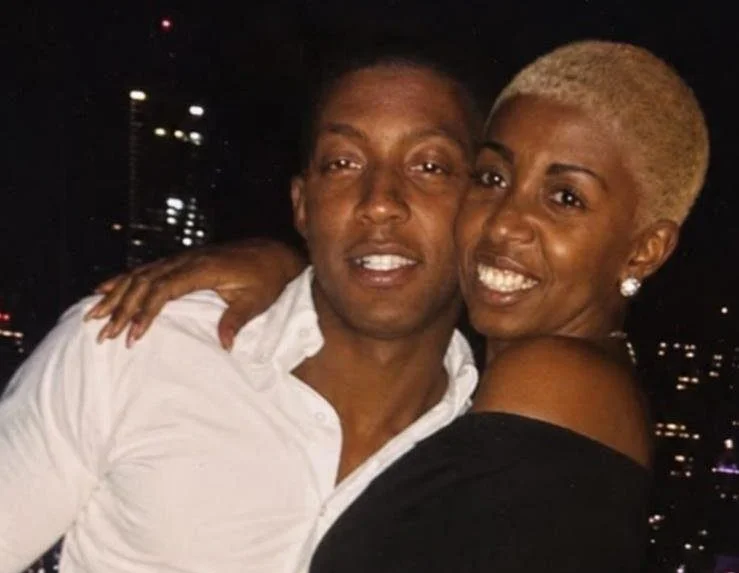
Bash Kehinde doesn't soften what happened to her son. Josh McKay, 33, was stabbed to death in a Leyton barber shop in July 2024, with his young child watching. His mother has now put the aftermath into print, and it isn't an easy read. That's partly the point.
I came to this story expecting the usual shape of grief journalism: a few heartfelt quotes, a tidy arc, a closing note of hope. Kehinde's account doesn't follow that template. She writes about the moments after the attack without cushioning them, and she writes about the months that followed with a bluntness that feels deliberate. Whether you read it as a memoir or as a kind of argument, it lands with weight.
An ordinary Saturday
That morning was unremarkable. Kehinde had spent the day with Josh at the family home, the kind of Saturday nobody thinks to remember. Then he left with his child and didn't come back.
This is the detail that stays with you. Violent deaths rarely announce themselves, and the people closest to the victim usually spend their final ordinary hours with no sense that anything is about to change. Families in this position often replay those hours looking for a signal they missed, even when there was never one to catch. Kehinde doesn't dwell on the hours before, and that restraint makes the ordinariness hit harder.
Josh ran a business that helped people leaving care build independent lives. He died at the scene. Kehinde raced from home after getting the call, and by the time she reached him, the damage was done.
Josh's work matters more to this story than it might seem. Services aimed at young people leaving care tend to depend on individuals who put in hours no contract covers, and those people are rarely the ones who make headlines. When someone like that is killed, the loss isn't only personal. It removes a person from the people who were relying on him.
"As he lay on the floor I pleaded with him, 'Son it's mum, wake up. It's ok, get up now.'" She says that day plunged her life into darkness. "I am in a living nightmare."
Quotes like these are hard to edit, and that's exactly why they stay with a reader. It's a mother describing what it looked like to try to wake her son. Your instinct might be to look away, and that's a fair reaction. I'd argue the discomfort is the reason the passage is there.
The hidden work of carrying on
Kehinde has a background in psychology and worked with victims of the Grenfell fire, so she knows how trauma looks from the outside. That training gives her a vocabulary most bereaved parents don't have. It won't make grief any lighter, but it does help explain why grief so often goes unseen. Trauma tends to hide behind functioning, and similar cases typically follow the same pattern, with the people around a bereaved family seeing them back at work and assuming recovery is underway.
Her point is that grief rarely shows. "People see you working, managing a business or having a conversation and assume you must be coping. They don't necessarily see what it takes to do those ordinary things. I wanted to put words to that hidden struggle."
Her book, Finding Me – Unfrozen, came out on November 6, the day Josh would have turned 36. It's a deliberate choice of date, and it tells you where her head is. Publishing a memoir turns private pain into a public record, and the timing here works as a message of its own. It is available on Amazon.
"When Josh's body was taken away that day I died too," she says. The line is hard to read, and she clearly means it to be. Writers of grief memoirs often describe a split between the person they were and the person who survived, and this sentence captures that split without decoration. I'm wary of any account that rushes toward resolution, and Kehinde doesn't rush.
Who Josh was
Friends and neighbours knew Josh for his generosity. He was nicknamed a "real life Batman" for the good he did in the community. Around 600 people attended a memorial for him.
That turnout says something about how far his reach extended. A memorial draws people who knew the person and people who knew what he did for others, and attendance is one of the few public measures of that kind of impact. Nicknames like "real life Batman" tend to come from communities rather than press offices, and that's worth noticing.
"He was very funny, always seeing the funny side of things," Kehinde says. "He had time for everyone." Her insistence on that detail is the point. "Josh is my son. His life matters, and I want people to know something of him beyond a headline."
Those ordinary qualities are the ones families miss most, and they're the ones that rarely survive a news cycle. Humour and time don't fit neatly into a story about violence, yet they're what the people who loved him will carry. Kehinde seems determined to keep them in the frame.
Rapper Renai Belle, who fatally stabbed Josh in the neck, was jailed for life at the Old Bailey in July 2025 and must serve at least 28 years. A minimum term is the period a judge sets before a prisoner can even be considered for release. The 28-year figure is the part that tends to get reported, but the bigger point is that no sentence brings anyone back. If you've followed cases like this, you'll know a court outcome rarely settles a family's grief.
A message to people carrying knives
Kehinde's warning is aimed at anyone who thinks a blade makes them safer. "Remember, you can also expose yourself to violence even though you think you're carrying the knife for self-defence."
Plenty of people who carry a blade genuinely believe it's protection, and that belief is hard to argue with in the moment. Here's the thing, though: this category of incident often turns on how fast a situation escalates, and a knife tends to speed escalation up. The weapon that feels like insurance can become the reason a confrontation turns fatal. (and this is the part most people overlook) the person carrying it is often the one who ends up most exposed.
Then she puts it in terms no one can argue with: "It could be your mother that takes the call today that you have been killed."
She isn't speaking in abstractions. She's describing the phone call she got herself, and she's asking the reader to picture the reverse. That's a sharp move, and I think it's the most effective line in the piece.
What this story asks of readers
Stories like this don't change anything on their own, and I won't pretend one memoir will. What it does is put a face on an outcome that most people encounter as a line in a court report or a short news alert. That's a real contribution, even if it's a quiet one. The gap between those two forms of coverage is where a lot of the public's understanding of knife crime gets shaped.
If you're working with young people, in youth services, or in any job where you see knife carrying up close, the value of this account is its specificity. Kehinde names her son, describes his work, and refuses to let the story end at the verdict. That said, the aftermath she describes is longer and quieter than any headline suggests. Long after the news cycle moves on. Not a one-off.
What this means for you depends on where you sit. Parents will hear the warning about the phone call. Professionals will recognise the gap between a person's visible functioning and their private loss. And readers who simply want to understand what happens after a stabbing will find something the usual coverage doesn't offer. And yet the most useful takeaway may be the simplest one: the people left behind are still living, and their grief doesn't stop when the story does.

Discussion
Sign in to join the discussion.