JonBenet Ramsey's brother says unidentified DNA from the 1996 case is the best lead left. He wants it tested again with modern forensic tools.
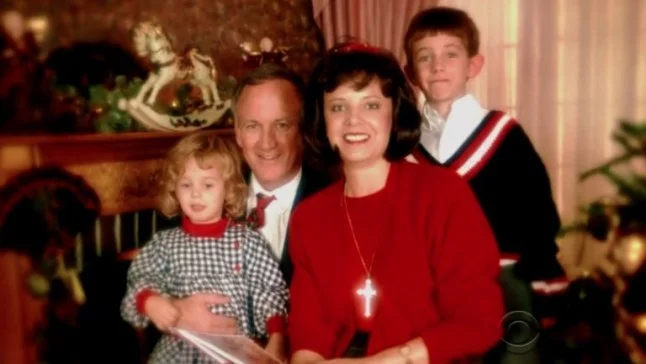
Burke Ramsey thinks the best lead in his sister's murder has been sitting in a police evidence room for almost 30 years. He wants it tested again, and he wants it tested now.
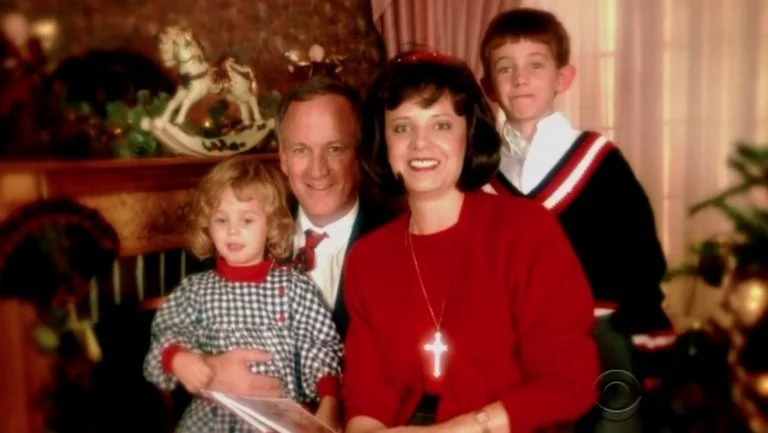
A profile that didn't match the family
Burke was nine when his sister was killed. He's now 39, and he's spent much of the intervening years trying to stay out of the spotlight. That's why his latest comments carry weight. In his first major interview in roughly a decade, he told the Daily Mail that the DNA found during the original 1996 investigation is the piece that matters most.
'We need to find that match. It's the best evidence we have,' he said. 'It was underneath her fingernails and it didn't match any of us. It's probably the person who did it, you know, and it's the best chance we have to solve this.'
He wants the samples sent to multiple laboratories and examined with modern forensic methods. He's not interested in a single retest. He wants repeated testing, and he's been direct about it.
'They need to send those samples to different labs again and keep testing,' he said. 'Find the match. That will go a long way to bringing justice. It's been 30 years and enough is enough.'
The night and the early investigation
JonBenet was found dead in the basement of the family home in Boulder, Colorado, on December 26, 1996. She had suffered a severe skull fracture and had been strangled with a cord, tightened with a piece of a broken paintbrush.
Her mother, Patsy, called police that morning after finding a lengthy ransom note demanding $118,000. She had also discovered that her daughter was missing from her bedroom. Officers came to the property, yet about seven hours passed before her father, John, found the body in a basement wine cellar.
The case quickly became one of the most notorious unsolved murders in the United States, and the Ramsey family absorbed intense scrutiny. The ransom note drew particular attention. It was written using materials from inside the house, and the sum it demanded was extremely close to a bonus John had received through his work.
The DNA was the complication. Genetic material recovered from JonBenet's clothing and beneath her fingernails did not match members of her immediate family. In 2008, Boulder County district attorney Mary Lacy wrote to John saying the family should no longer be considered under suspicion. Other officials later questioned that decision, and the disagreement has never fully settled.
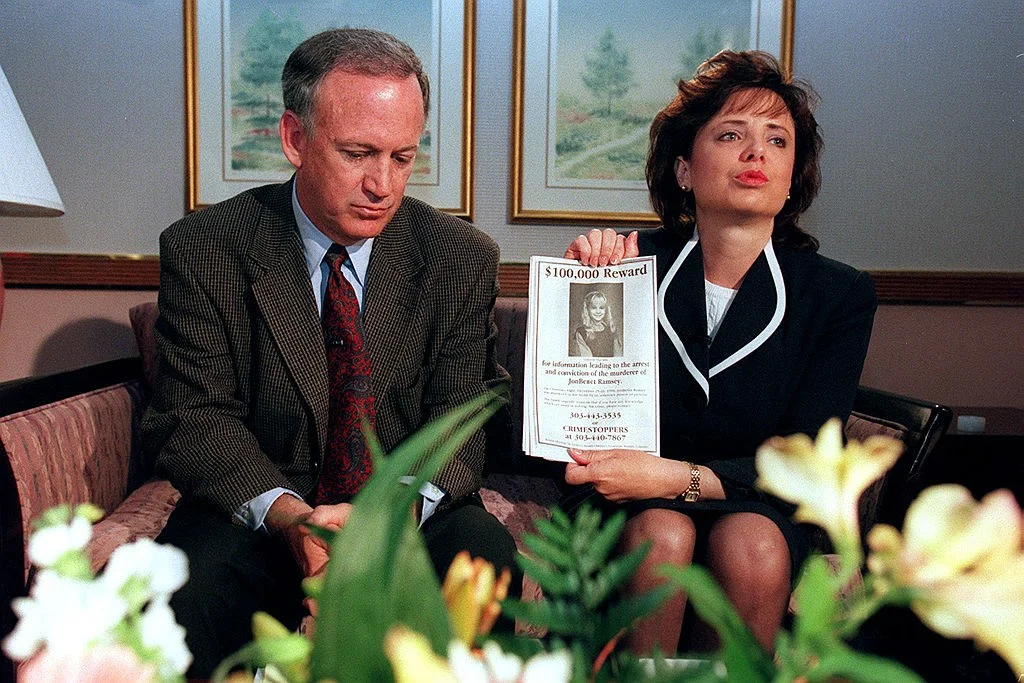
Why the DNA hasn't cracked the case
Here's the thing: a DNA profile that doesn't match the family is not the same as a killer's identity. The unidentified DNA has never led investigators to a suspect, and its meaning is still contested. Some samples are extremely small. Others appear to contain genetic material from more than one person. Working out whose DNA is present, and how it got there, is hard, and that's why Burke's push for better testing carries real weight.
Burke sees the evidence differently. 'The DNA says we didn't do it. I know none of my family did it,' he said. He added, 'There was this energy looking at the family, but the DNA is sitting right there.'
What police are doing now
Boulder Police say the investigation remains open and active. Detectives have continued to test evidence as forensic tools improve. In an update last December, the department said it had conducted fresh interviews, collected new evidence and retested existing material.
Police chief Stephen Redfearn has also told ABC News that his department is in discussions with laboratories about forensic genetic genealogy. The technique identifies people by matching DNA with relatives who have tested. Whether the evidence in JonBenet's case can produce usable results for that kind of search is still an open question, and it may be the one that decides whether Burke's wish comes true.
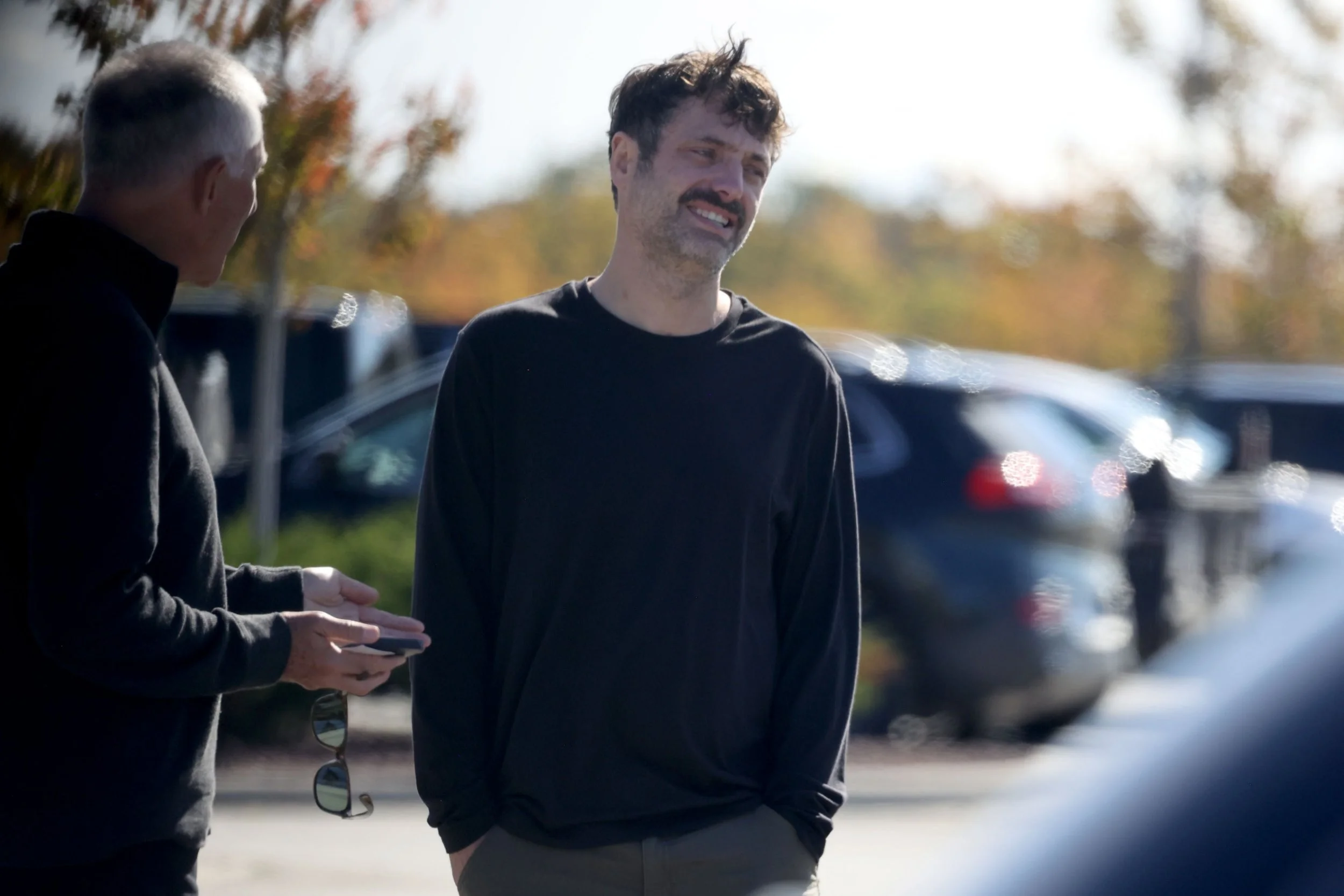
Burke says he'll help however he can. 'I'm an open book. I've told everybody everything I know. And if I can help in any way, I'm all ears.'
Thirty years and a fresh wave of attention
The timing is hard to miss. The 30th anniversary arrives next month, and a new Diane Sawyer investigation aired on ABC on Friday. Netflix will also release an eight-part drama on December 10, with Melissa McCarthy as Patsy and Clive Owen as John.
Burke acknowledges that each new round of coverage reopens old wounds. Still, he's willing to accept that cost if it moves the case forward. 'It's the most tragic, personal, awful thing to happen in my life… that anybody could imagine happening to them,' he said.
'And it's tough to have it come up every ten years or so. It just brings all that pain back, you know. But I want this solved. So if this helps get this solved then OK, that's fine.'
Remembering the sister, not the headlines
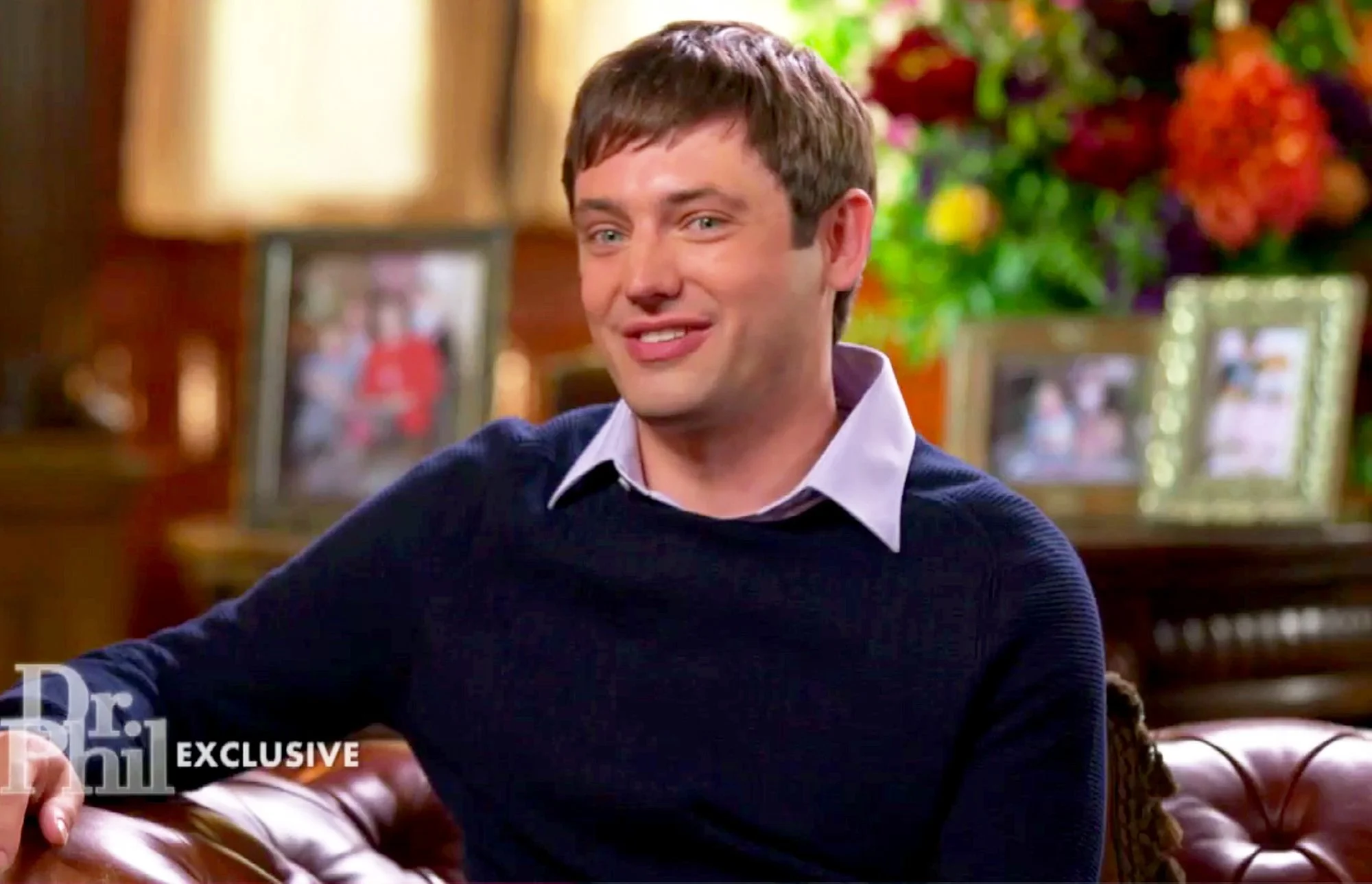
Patsy died of ovarian cancer in 2006, aged 49. Burke has kept a low profile since his 2016 appearance on Dr. Phil. He now works from home as a software engineer in Michigan and has built a quiet life far from the attention that surrounded his sister's death.
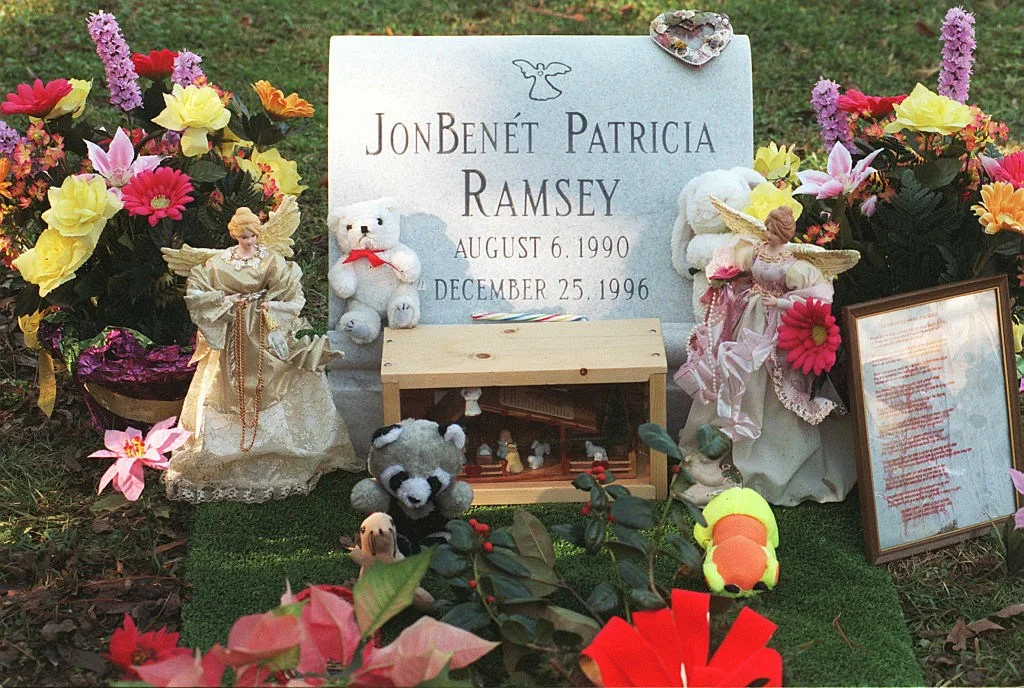
Much of the public remembers JonBenet for her elaborate pageant costumes. Burke's memories are plainer. 'Everyone focuses on the pageants and stuff. But that was only a small part of JonBenet's life,' he said.
'She had a lot more to her than that. To me, she was just a normal sister who would slide down hills on boxes with me. We'd play in water together. Very normal stuff.'


Discussion
Sign in to join the discussion.