BC Partners pulled out of a planned $300 million rescue, leaving LIV Golf to pursue an orderly wind-down through its bankruptcy case.
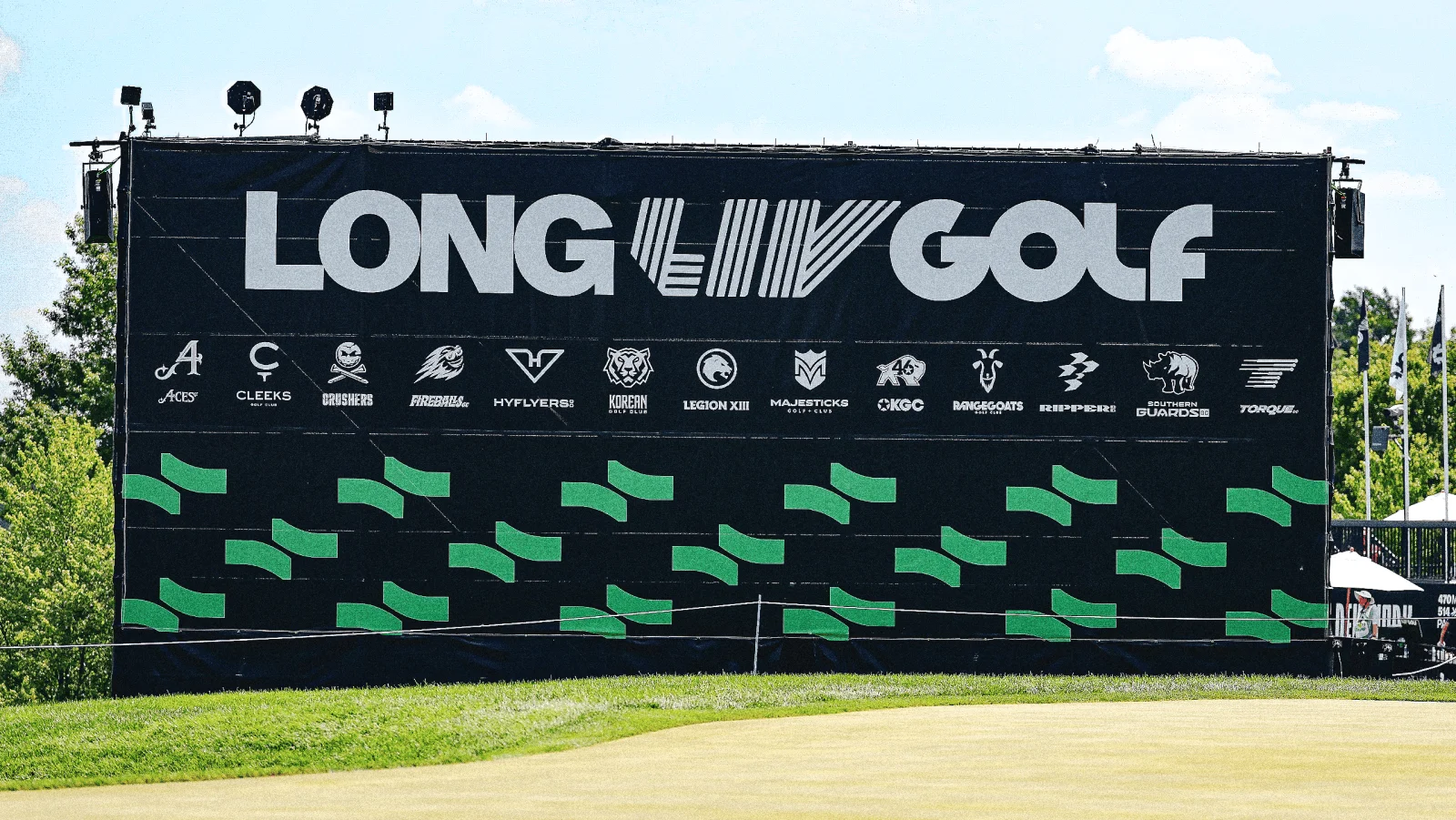
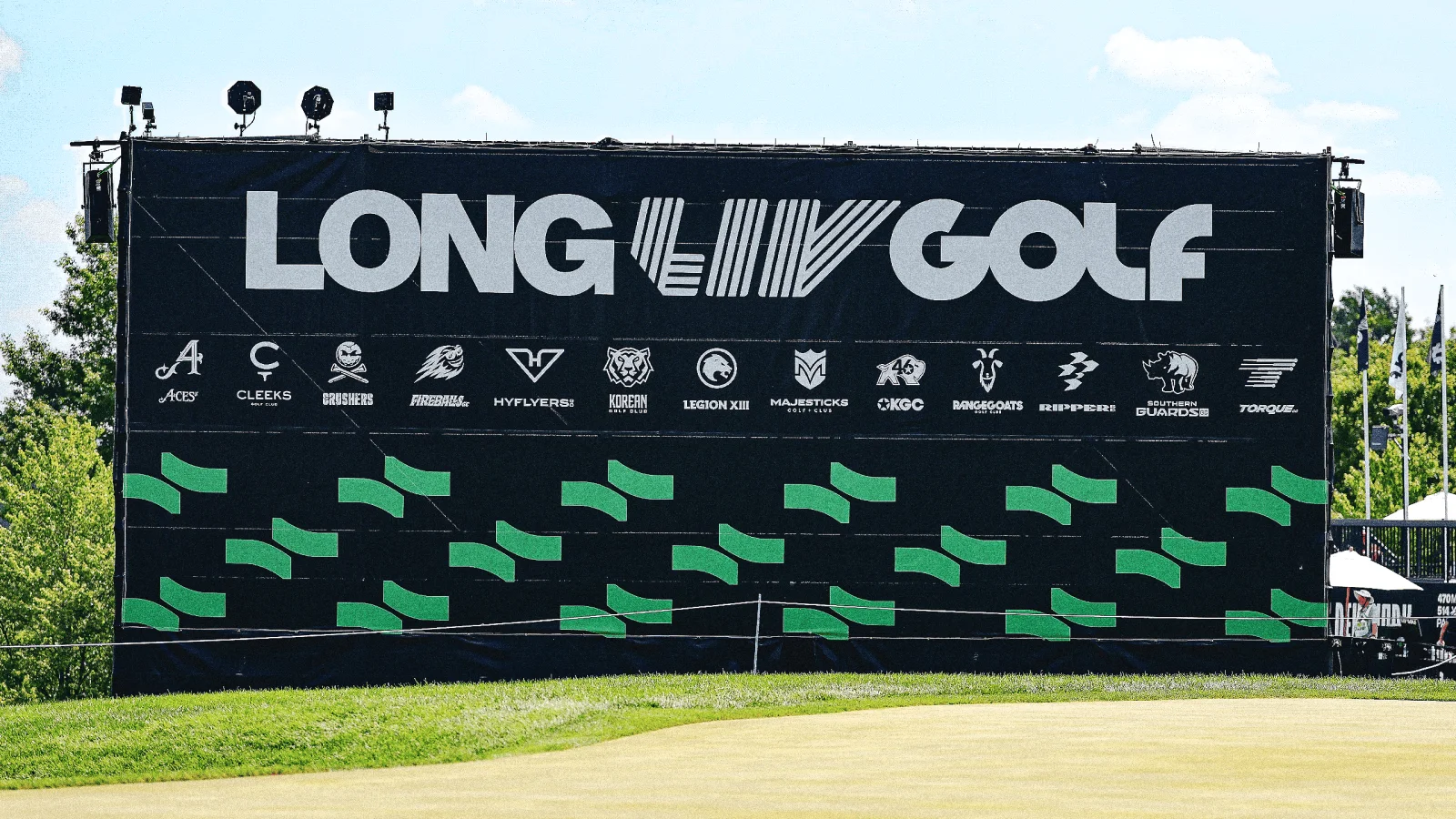
The proposed LIV Golf revival has run out of runway. After BC Partners Credit withdrew from a planned $300 million financing package, the league told a bankruptcy court Thursday that it would abandon LIV Golf 2.0 and seek an “orderly wind-down.”
The announcement closes a restructuring effort launched after the Saudi Public Investment Fund, LIV’s original backer, withdrew its support. Lawyers for the debtors said the league plans to file a Chapter 11 plan and disclosure statement Monday.
“This was not an easy conclusion for anyone who believed in what LIV Golf built,” said Matthew Williams, a Gibson Dunn attorney representing the debtors. “This isn’t the outcome the debtors had hoped to announce today.” Jim Burbage, representing the official committee of unsecured creditors, said the committee was “also disappointed with the developments over the last 24 hours,” though the rescue effort was “certainly not for lack of trying.”
A financing plan with conditions
The deal depended on more than raising money. LIV needed enough player commitments to make a restructured circuit viable, while also meeting deadlines and other conditions in its bankruptcy financing agreement.
Under the original restructuring support agreement, BC Partners and minority investors were to receive 45% of the new league. Players would hold 52.5%, with management keeping 2.5%. An amended agreement filed with the court on Oct. 5 showed BC Partners had initially committed $4 million and planned to contribute as much as $150 million toward the $300 million target. The funding remained contingent on securing players and other commitments.
At first, LIV had to obtain signatures from at least half of eligible player creditors, representing at least two-thirds of the total value of players’ bankruptcy claims. The amended agreement gave LIV and BC Partners more room to decide which golfers the new venture needed. Separate debtor-in-possession milestones required agreements with “requisite players,” along with financing and transaction documents by set dates.
After an extension, players had until Oct. 25 to commit to LIV 2.0. The league then faced an Oct. 30 deadline for key transaction and financing agreements. BC Partners’ withdrawal ended the effort before those conditions could support a relaunch.
Player exits weakened the case for a relaunch
Roster uncertainty had shadowed the restructuring from the start. Jon Rahm, LIV’s highest-profile player, said early in the bankruptcy process that he wouldn’t continue with the league. He later settled, giving up his standing as its largest unsecured creditor and walking away from a potentially substantial claim while retaining control of some of his intellectual property.
LIV continued to say it could attract enough top players within the available window. But Rahm wasn’t the only departure: Sergio Garcia and Tyrrell Hatton also announced they would leave. The DP World Tour, meanwhile, said active LIV players could no longer compete in its events, reversing its earlier policy allowing them to participate in both circuits.
Those developments made player commitments harder to secure just as the financing plan made them essential. The league’s revival needed a roster that could justify its economics, and the roster itself remained unsettled.
From “white knight” to wind-down
The collapse is a sharp reversal from the optimism LIV leadership expressed only weeks earlier. At Sportico’s Invest London conference, CEO Scott O’Neil praised BC Partners Credit head Ted Goldthorpe as a “white knight.” “We have a plan that’s effective and works,” O’Neil said then. “We have an opportunity to grow something really special.”
Goldthorpe said BC Partners Credit felt “very, very good” about making the LIV 2.0 economics work. The proposed arrangement ultimately couldn’t clear the player and financing hurdles that stood between a restructuring plan and a viable league.
After Thursday’s hearing, O’Neil highlighted LIV’s attempt to bring “new, younger and more diverse fans to the sport of golf.” He called the experience a “fun, demanding, inspiring at times challenge—but always rewarding.” The immediate task, though, is now the wind-down plan due in court Monday.



Discussion
Sign in to join the discussion.