Davis Warren could join the House settlement’s oversight as a class representative, while Stanford teammate Charlie Mirer challenges how its NIL rules are applied.
Warren’s proposed role in the settlement
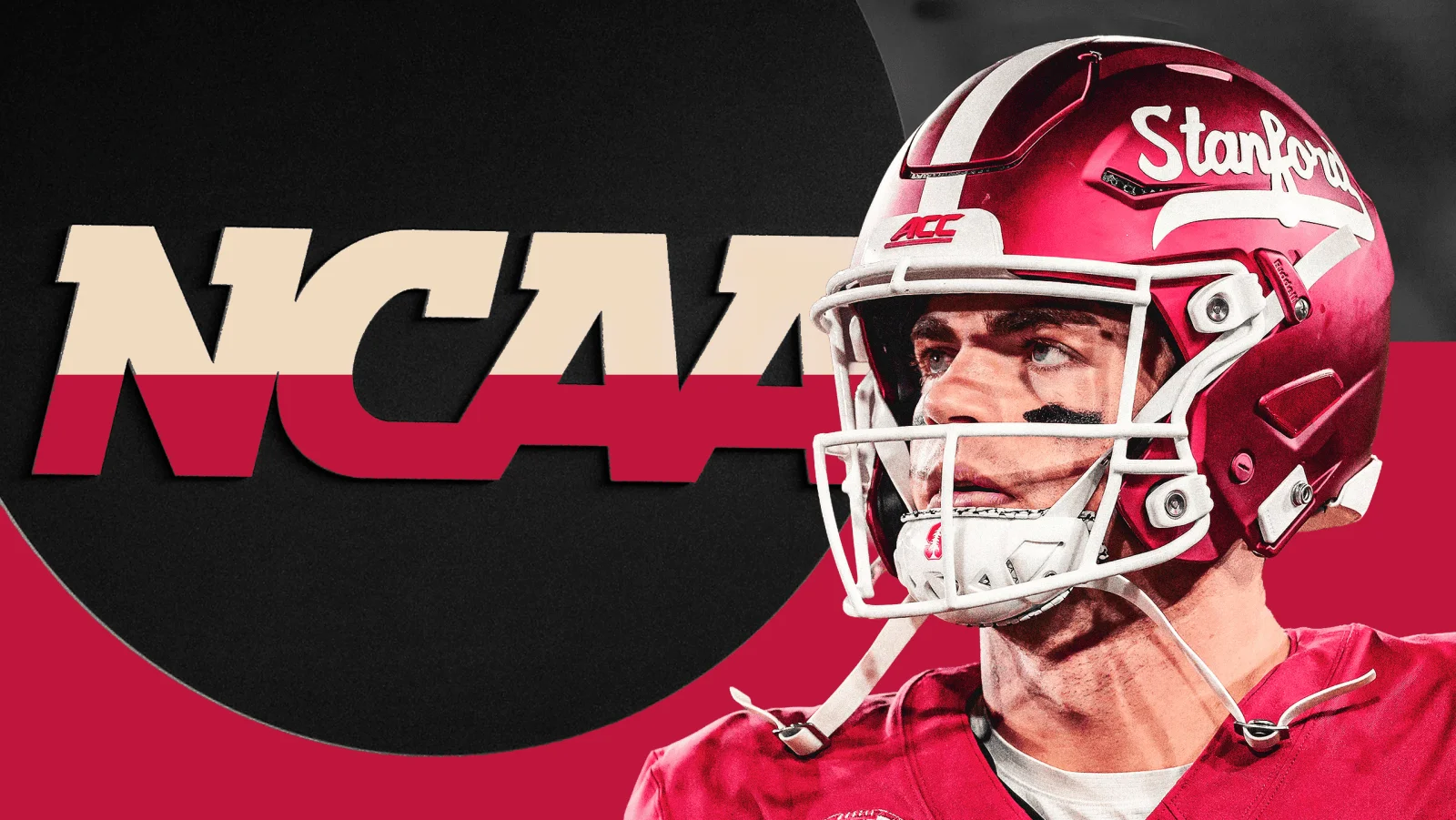
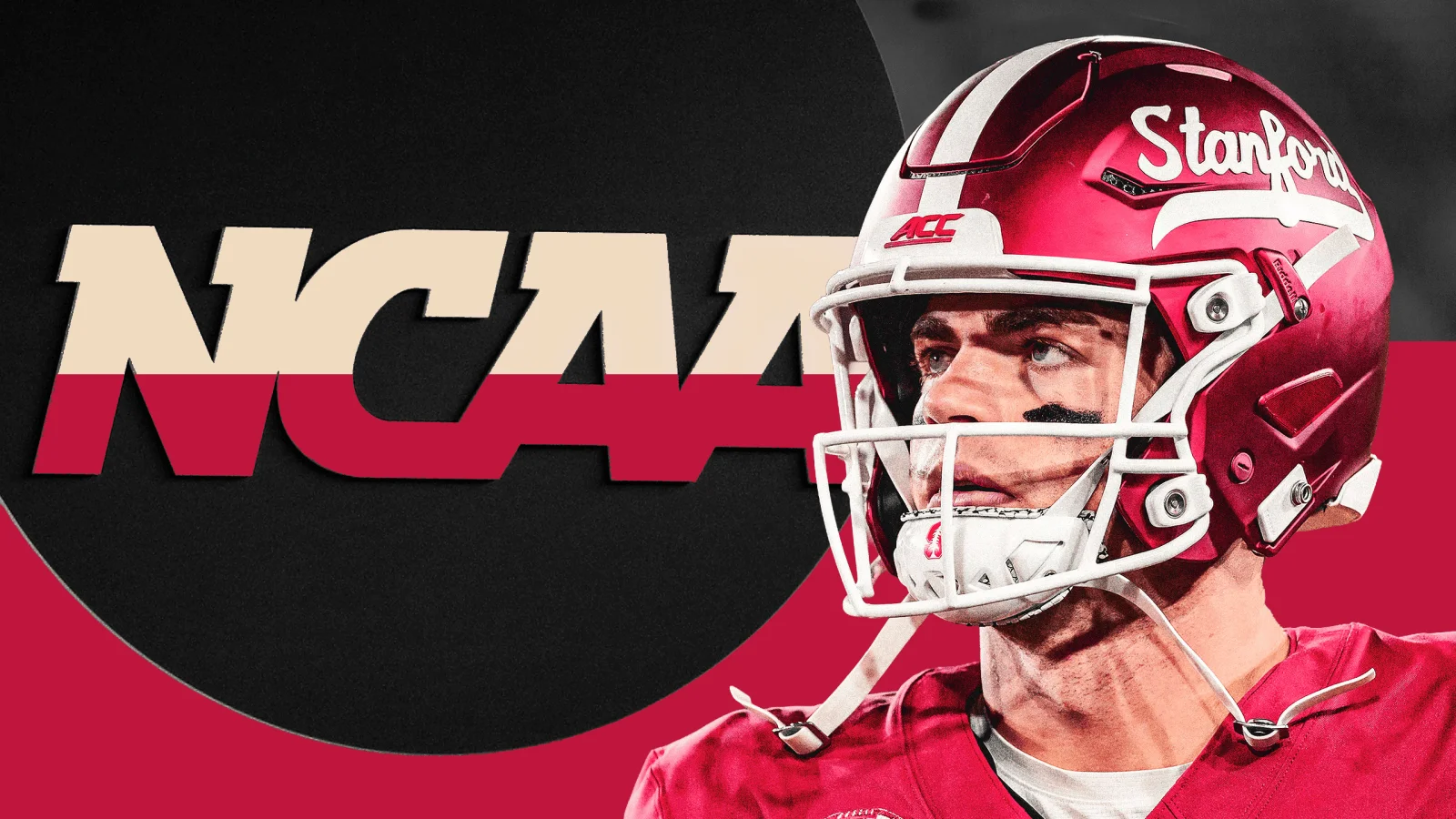
Stanford quarterback Davis Warren may soon have two roles in college sports: leading the Cardinal offense and representing athletes in the long-running House v. NCAA settlement. Attorneys for the settlement class have asked a court to appoint him as a class representative, extending an unusual ACC-to-ACC quarterback connection from the field into the case. The request puts a current player into a process that will shape how the agreement is administered over time.
Warren would succeed former Louisville quarterback Miller Moss, who joined the class in November 2025 after the original representatives—including Grant House, Tymir Oliver, Sedona Prince and DeWayne Carter—had used up their college eligibility. Moss, now with the Chicago Bears, is a longtime friend of Warren and encouraged him to consider the position, Warren said in a declaration. That personal link gives the handoff an unusual continuity, though the appointment remains a court decision and Warren’s responsibilities would be distinct from his work as a player.
The requested appointment would put a current athlete in a role overseeing the settlement’s 10-year injunctive relief. Judge Claudia Wilken said when approving the deal that adding representatives wasn’t necessary, though the agreement anticipated that appointments could happen periodically. The distinction matters: the settlement can continue without a new representative, but adding one could give the class a current participant with direct experience of the rules as they operate in college athletics.
Warren said he wants athletes’ views represented as the settlement is administered. “I am interested in joining this litigation as a class representative because I believe it is the right thing to do,” he wrote. He added that he wants athletes to have a voice in decisions affecting their interests and access to compensation and benefits. That stated rationale is broad; the practical test would be whether his participation gives the court and class counsel useful insight into how athletes experience the agreement.
A second case complicates the Stanford picture
Warren’s potential appointment comes as his Stanford teammate Charlie Mirer pursues a separate challenge to the College Sports Commission, the enforcement body established under the settlement. Mirer and USC freshman linebacker Talanoa Ili sued the NCAA, the Power 4 conferences—including the ACC—and the commission in June. The proximity is striking: one Stanford player could help represent athletes within the settlement, while another contests how a body created under that framework applies its rules.
The athletes argue that some commission restrictions on college athletes’ name, image and likeness rights conflict with laws in California and 16 other states. They contend that only federal legislation can override those state protections. Their complaint seeks certification of four athlete classes, their appointment as representatives and treble damages for alleged antitrust violations. Those are allegations and requested remedies; the filing does not itself establish that the commission’s restrictions are unlawful.
The suit leaves the settlement itself intact and focuses on how its rules are being enforced. Mirer and Ili have also asked to have their case related to House v. NCAA, which could put it before U.S. District Court Judge Claudia Wilken. Their filing is separate from the settlement objectors’ pending appeals before the Ninth Circuit. In other words, several legal tracks may touch the same broad settlement, while raising different questions about its approval, enforcement and representation.
Warren disclosed that he has received third-party NIL compensation as both a walk-on and a scholarship athlete. He said he has spent significant time reviewing the settlement and the appellate briefs, and that personal gain isn’t motivating his bid to represent the class. His experience across both kinds of roster status may inform his perspective, but the article provides no detail about the terms of those deals or how they relate to the commission’s rules.
From Michigan walk-on to settlement nominee
The sixth-year player began at Stanford after playing at Michigan from 2021 to 2025. On the field, he has thrown for 2,203 this season, while Stanford sits at 4-5 after a loss to Louisville. The source does not specify the unit for that passing total. His playing career supplies context for his proposed role, but athletic experience alone doesn’t answer whether he can represent a broad class whose members may have different NIL arrangements and priorities.
If appointed, Warren would be the second Stanford athlete to represent the class, following former Cardinal soccer player Nya Harrison, now with the NWSL’s San Diego Wave. His potential role alongside Mirer’s challenge puts two different questions about the settlement’s operation in the same quarterback room: who speaks for athletes under the deal, and how its NIL restrictions are applied. If you’re working in college sports, that overlap is a reminder that settlement terms matter most when they meet day-to-day decisions about athlete compensation. A legal framework on paper is only part of the story.
Why representation matters as enforcement develops
A class representative doesn’t decide a case alone, but the role can help ensure that the people covered by an agreement remain visible as implementation questions arise. This is more significant than it looks: the settlement’s 10-year injunctive period means its effects will be experienced by athletes who weren’t part of the original negotiations. A current player may be positioned to describe how rules interact with recruiting, roster decisions and NIL opportunities, though the article doesn’t establish what Warren would specifically address if appointed.
Here’s the thing: the Stanford connection makes the legal dispute easier to follow, but it doesn’t merge the two matters. Warren’s proposed appointment concerns class representation under an approved settlement; Mirer and Ili’s lawsuit challenges restrictions imposed by the commission. The outcome of either request could affect how observers understand the agreement’s operation, yet the available facts don’t resolve the legal arguments. For now, the key question is whether the court sees value in adding Warren to a class that already has representatives and a settlement framework in place.
That said, the development will be worth watching for a practical reason. Athletes are increasingly asked to navigate settlement rules, institutional policies and outside compensation at once. (And this is the part most people overlook.) Representation can help surface those experiences, but it can’t by itself settle disagreements about what the rules permit. The next step is the court’s consideration of the appointment request.
More than a roster detail. It’s a test of whether an active athlete will have a formal voice while a major college sports settlement is being administered.



Discussion
Sign in to join the discussion.