Indiana executed Jeffrey Weisheit for killing two children in 2010. Their parents held opposing views on clemency, while his legal challenges failed.
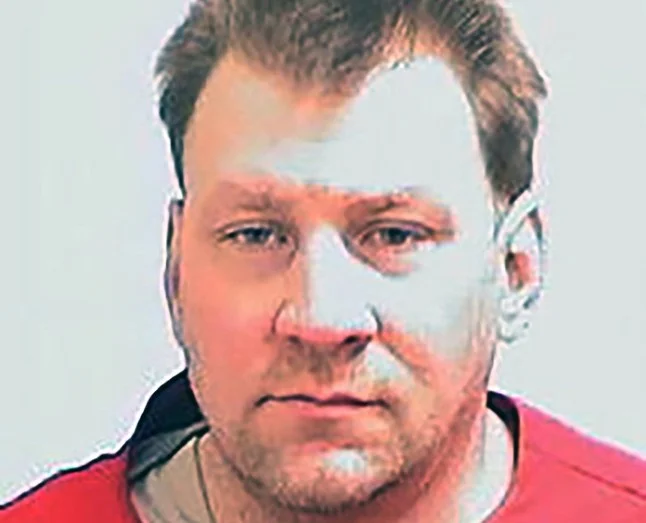
Jeffrey Weisheit was executed in Indiana more than 16 years after killing his girlfriend’s two children, a case shaped by sharply different views from the children’s parents on whether he should die. The disagreement over clemency put two forms of grief side by side: their mother described an enduring daily loss, while their father argued that execution wouldn’t serve his children’s memory. The case also brought renewed scrutiny to the evidence and arguments presented before the state carried out the sentence.
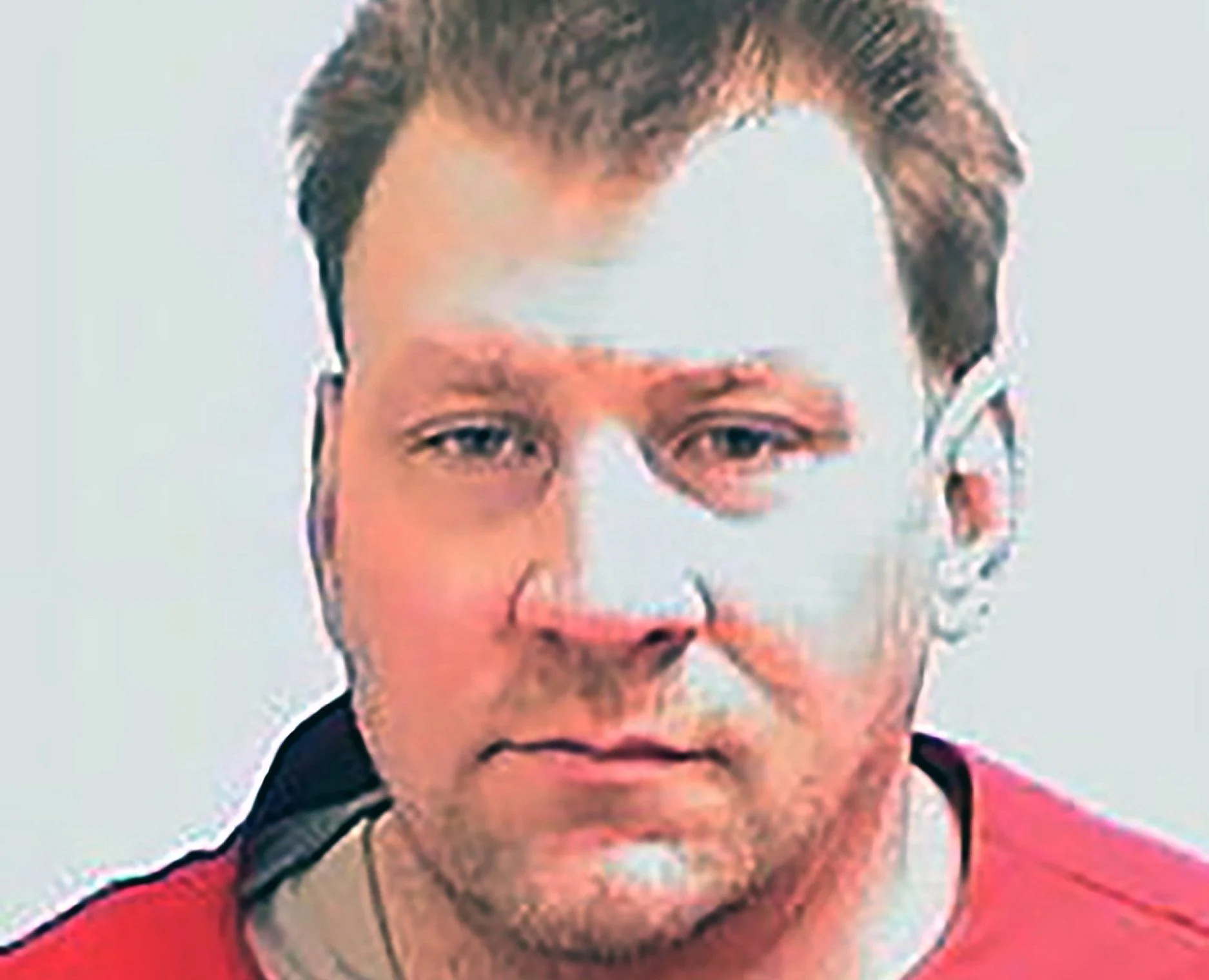
Weisheit, 50, died by lethal injection at Indiana State Prison in Michigan City on Thursday. Prison officials said he was pronounced dead at 12.45am. He had no final statement and chose barbecue ribs for his last meal.
A fire set while the children were inside
In April 2010, Weisheit was caring for five-year-old Caleb Lynch and his eight-year-old sister, Alyssa, while their mother, Lisa Lynch, was at work. He set fire to their home in Evansville. The children had been restrained and gagged: Caleb was found tied to a mattress, while Alyssa was in a closet. Investigators also found a flare stick in Caleb’s underwear.
The details of the scene shaped the case’s account of the children’s final hours and the severity of the crimes. Prosecutors said Weisheit was angry with Lisa, his partner at the time, because he believed she was pregnant by another man. That motive was the state’s explanation for why he set the fire; it doesn’t lessen the violence described in the evidence.
At a clemency hearing last month, Weisheit acknowledged starting the fire by placing a phone book on an electric stove burner. He said he’d packed his belongings and decided to set the house alight before leaving, with the children still inside. His admission came years after the trial, and it sat uneasily beside his earlier denial of responsibility.
That account marked a change from his 2013 trial, where he denied starting the fire. A jury convicted him of two murders and arson. After the killings, he fled to Kentucky and was captured following a high-speed chase. The verdict established his criminal responsibility; the later clemency process instead asked whether his sentence should be reduced.
The family’s divided views on clemency
Lisa Lynch told officials the loss remained an everyday burden. “Every day without them is a struggle,” she said, describing birthdays, holidays and milestones as reminders of her children’s absence. “Time passes but the weight of losing them never fades. They will always be my children.” Her statement made clear that the passage of years hadn’t turned the loss into a closed chapter.
The children’s father, Steven Lynch, opposed the execution and supported a sentence of life without parole. In a sworn statement, he questioned what his children’s memory gained from Weisheit’s death and wrote: “Jeffrey, I forgive you.” His position separated the question of punishment from the question of forgiveness: he could acknowledge the harm and still reject execution as the proper response.
That split matters. Families affected by murder don’t necessarily share one view of what justice should require, and the parents’ statements showed how sharply those views can differ even when both are rooted in grief.

Weisheit apologized at the clemency hearing, saying, “There is no excuse or explanation for what I did.” He also spoke about his faith and said he wanted to spend the rest of his life helping others in prison. Indiana Governor Mike Braun rejected his request to commute the sentence. The decision left the jury’s punishment in place despite Weisheit’s apology and the children’s father’s opposition to execution.
Challenges did not halt the execution
Weisheit’s lawyers sought additional brain scans, citing past head injuries and mental health problems. They also challenged the drugs Indiana planned to use, raising concerns about the supplier, a pharmacy facing disciplinary proceedings, and the absence of disclosed testing records. The state said it paid $275,000 for the drugs. Neither challenge stopped the execution.
Those arguments raised separate questions: whether more information about Weisheit’s condition should affect the case, and whether the state’s preparations for lethal injection were sufficiently transparent. In execution cases, challenges to the method can focus on the drug supply and available records as well as the procedure itself. Here, the concerns were presented by his lawyers, while the reported outcome was that the execution went ahead.
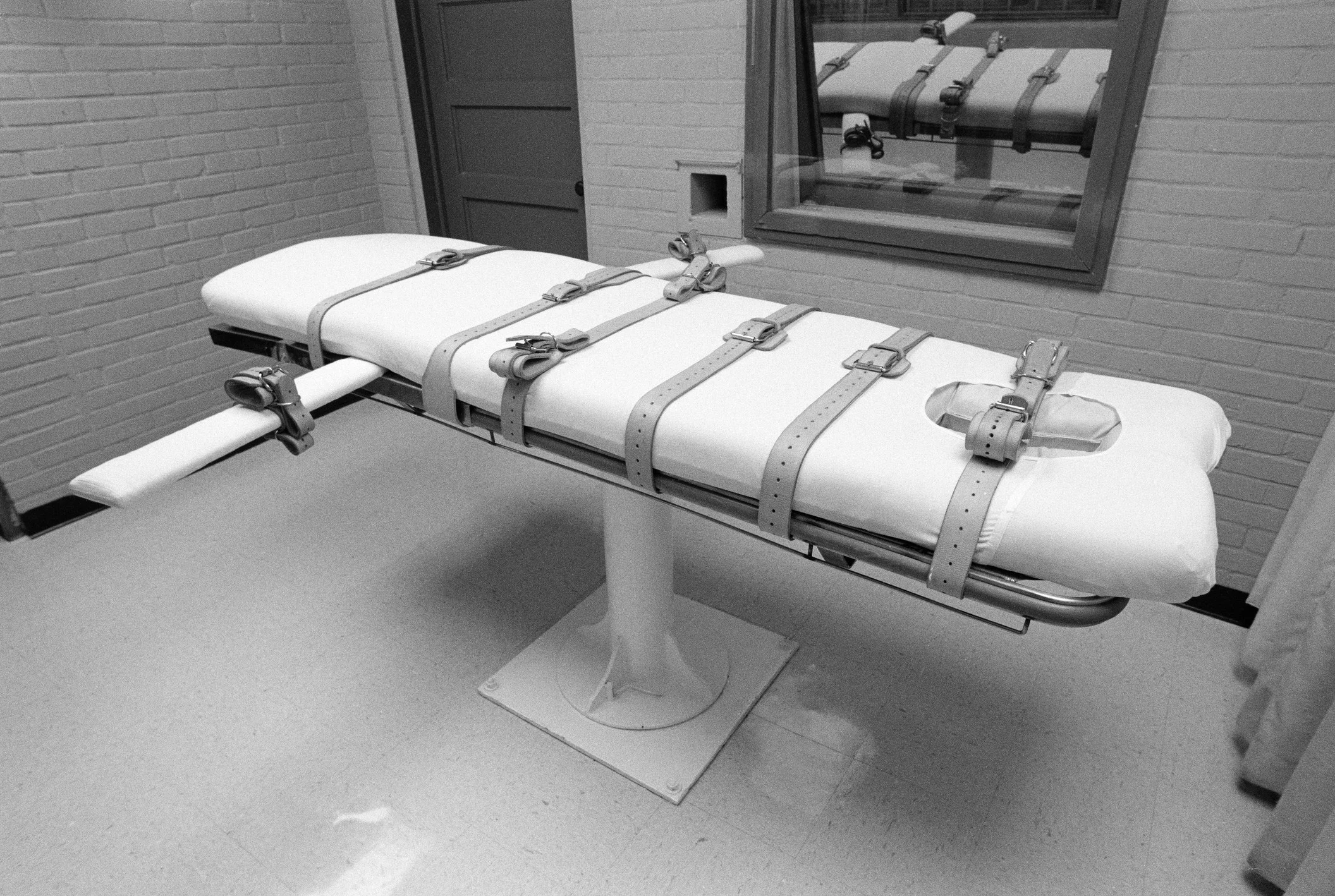
Witnesses watched for three minutes before blinds closed over the chamber window. A reporter present said it was impossible to tell when the injection was given or whether Weisheit was conscious. That limited view left witnesses unable to describe the final moments with certainty. And this is the part most people overlook: official confirmation of death doesn’t answer every question observers may have about what happened inside the chamber.
What the case leaves behind
Two other convicted murderers, Jesse Guardado in Florida and Michael Taylor in Alabama, were executed the same day. It was the second time this year that three executions had been scheduled across the United States on one day. The coincidence places Weisheit’s death within a broader day of executions, though the circumstances and arguments in each case aren’t described here.
For readers following the debate over capital punishment, Weisheit’s case offers no tidy resolution. The children’s mother described a loss that persists; their father rejected execution; the governor denied clemency; and the defense’s challenges didn’t prevent the sentence from being carried out. This is more significant than it looks: the case shows how a single execution can close a legal process while leaving fundamental disagreements about punishment and remembrance intact.
If you’re working in this space, the record here points to the limits of treating family opinion as a single voice. The parents’ statements diverged, and neither can stand in for the other. The sentence was carried out. The dispute over what it meant remains.



Discussion
Sign in to join the discussion.