Keegan Swenson and Sofia Gomez Villafane will miss Little Sugar to race Gravel Worlds, putting their Life Time Grand Prix leads to the test.
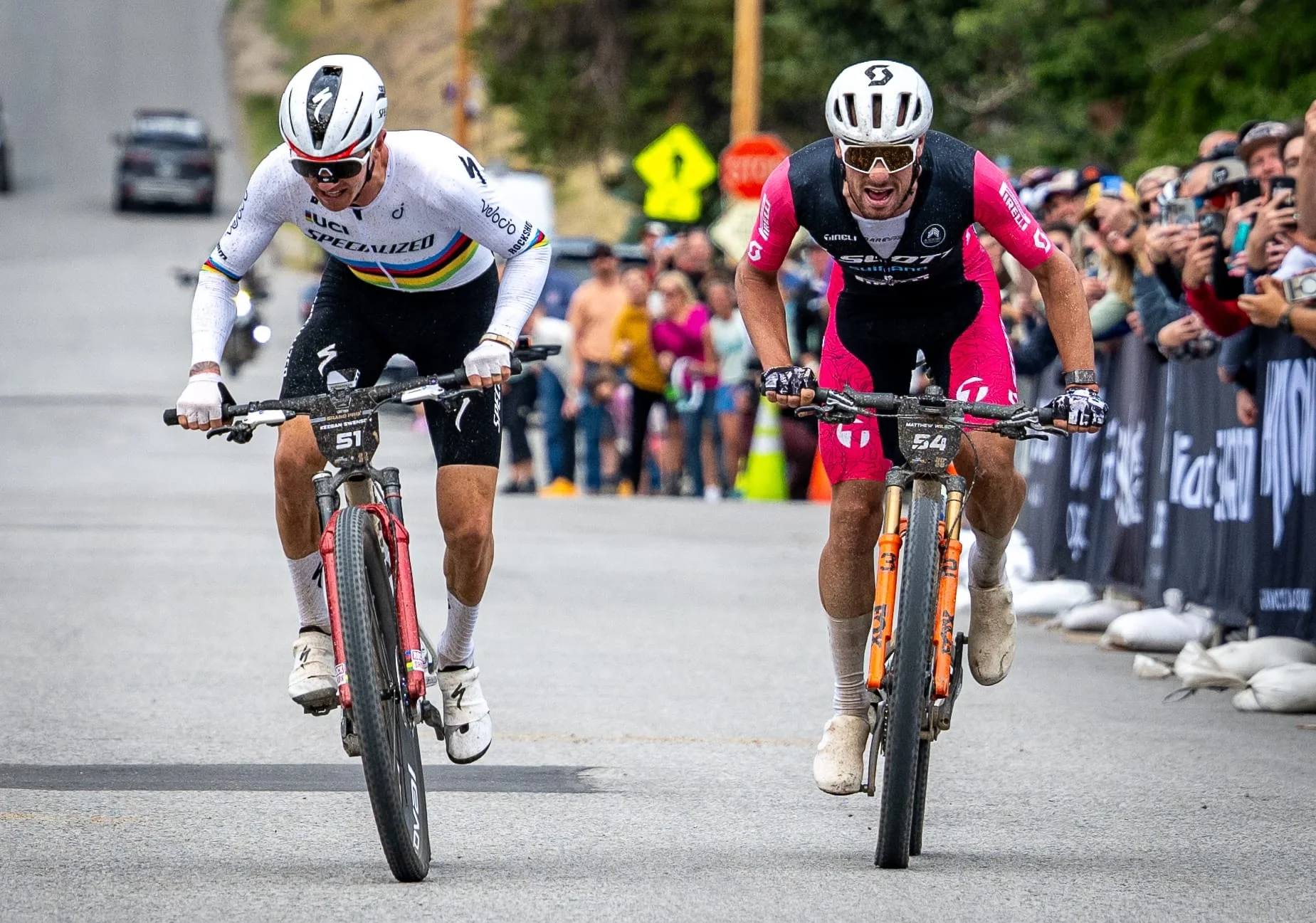
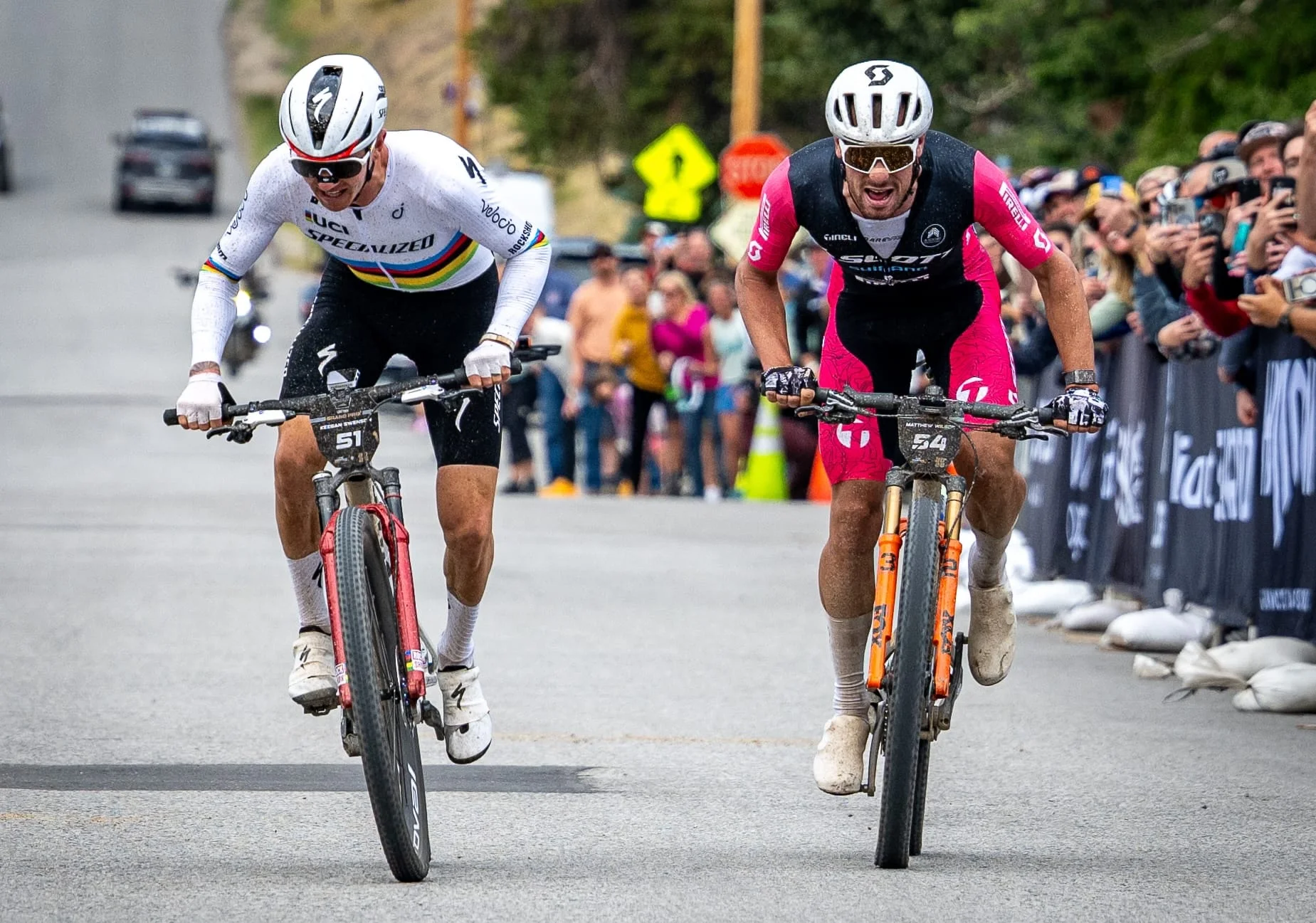
The Gravel World Championships and Life Time Grand Prix now compete for two of the series’ biggest names. Keegan Swenson and Sofia Gomez Villafane, the overall leaders, will race in Nannup, Western Australia, this weekend instead of the 100K Little Sugar Mountain Bike race, the Grand Prix’s penultimate round. Their choice turns a calendar clash into a direct test of what matters most to riders who can’t be in two places at once: a chance at a world title, or points toward a season-long series win.
Worlds offers a different prize
The overlap raises a broader question for gravel racing: why does the world championship fall on the same weekend as North America’s premier professional gravel series, and what does that choice mean for the sport? The scheduling conflict forces riders to weigh two distinct forms of achievement. The Grand Prix rewards performance across a season; Worlds concentrates attention on one race and one title.
The appeal of Worlds is plain. A rainbow jersey carries more weight than any Life Time event, with Unbound perhaps the exception. A world title is a singular result, one riders can carry as a marker of achievement beyond the weekend itself. This is more significant than it looks: the clash shows how gravel’s expanding calendar can put its biggest prizes in competition with one another, even for athletes who are central to both events.
A win for Swenson or Villafane, an Argentinian-American, would put the title in the sport’s American heartland and reinforce the standing of the U.S. race scene. Swenson’s and Villafane’s Specialized contracts may also include a bonus for a world title, though the source of that possibility isn’t confirmed. That uncertainty matters; the visible sporting incentive is clear, while any private financial terms remain speculation.
Leads offer a buffer, not a free pass
Both riders can skip Little Sugar and remain in contention because they’ve built their leads through wins and consistent finishes. Villafane has three victories and one seventh-place result, giving her 90 points. Lauren Stephens trails by 12, while Cecily Decker is 14 back. That margin gives Villafane a cushion, but it doesn’t settle the series: Stephens and Decker remain close enough to benefit if the leader has a difficult final race.
Swenson has one win and no finish worse than fifth; his 84 points put him eight ahead of Brendan Johnston and Bradyn Lange, who are tied behind him. His record suggests consistency has been as valuable as a single standout result. Yet an eight-point gap is narrow enough to keep the final round consequential, particularly when his closest challengers can still add points at Little Sugar.
The Grand Prix lets riders skip one event without a formal penalty. But with only six races on the calendar, missing a chance to score still carries a cost. The rule softens the effect of an absence; it doesn’t erase the opportunity cost. The points table reflects accumulated results, and rivals racing this weekend have a chance to change their position while Swenson and Villafane are elsewhere.
A choice with consequences for the series
Their Worlds decision leaves both leaders with less room for error in the series’ final stretch. They’re spending some of the advantage they earned earlier in the season to pursue a different prize. If you’re following the Grand Prix, the practical question is whether their leads are large enough to absorb the missed scoring opportunity—and whether their challengers can make that question matter.
And yet, the choice also says something about the sport’s hierarchy. A points series can offer consistency and a clear season-long contest, while a world championship offers the possibility of a defining title. When both land on the same weekend, riders have to make that trade-off in public. For the Grand Prix, the result may be a tighter closing contest; for Worlds, it brings two of the series’ leading riders to the start line in Nannup.
One weekend, two ambitions.
Discussion
Sign in to join the discussion.