Teens are riding wheelies at pedestrians and traffic in Oxford Street and elsewhere, raising safety concerns and calls for consistent reporting.
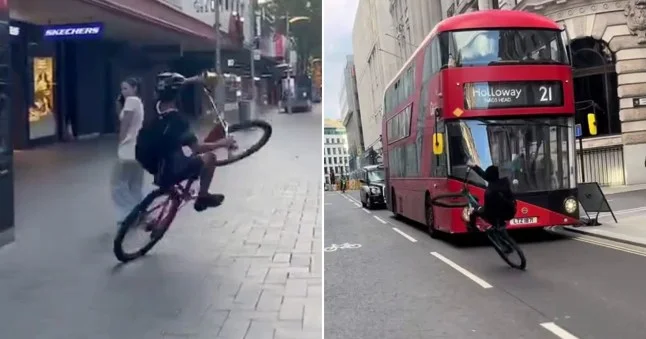
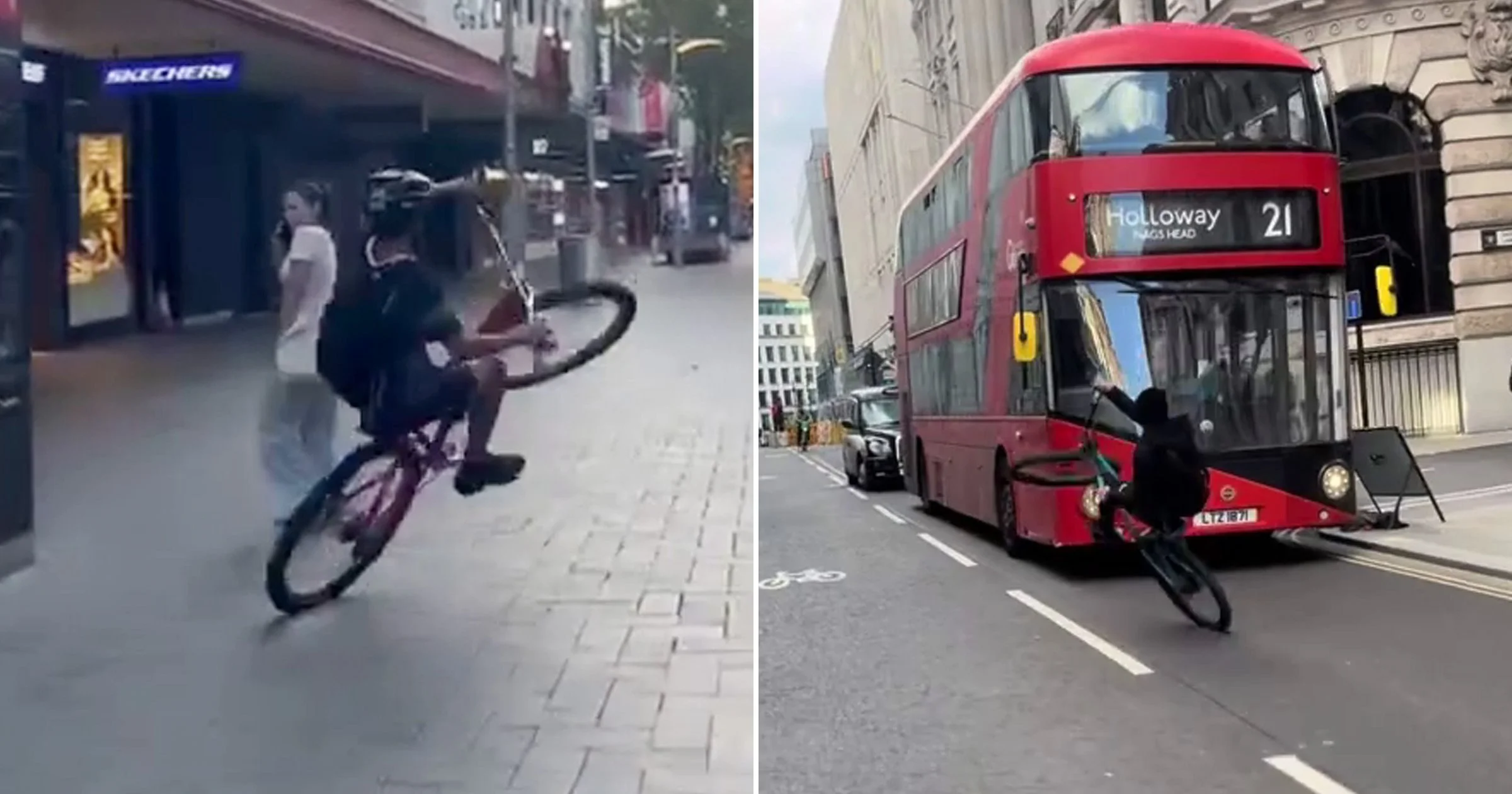
The risk in “snapping” comes from its central move: a rider steers a bike or e-bike into the path of a pedestrian or vehicle, often lifting the front wheel, then swerves away at the last moment. That split-second stunt leaves little margin for error. A missed turn can mean a collision; even a successful one can send a pedestrian scrambling or force a driver to brake hard.
The behaviour is being reported in central London, including on newly pedestrianised Oxford Street, where bikes are banned and riders could face a fine of up to £160. The restriction hasn’t stopped groups of young riders from performing wheelies towards people using the street. For pedestrians, the danger is immediate. For drivers and cyclists, a sudden move can turn a stunt into a crash.
Neighbourhood Watch head of membership Cheryl Spruce says she has seen the behaviour in central London and heard concerns from members. At a community meeting in Kidbrooke, Greenwich, residents described elderly relatives who were reluctant to go outside because young riders were cutting across pavements and blocking their way.
“It’s about getting a reaction,” Spruce told Metro . She said groups can embolden riders, who may act as if they don’t need to consider pedestrians or other road users. The appeal appears to be the thrill and the response from people caught in the riders’ path; the cost can fall on those who never chose to take part.
Clips circulating online show how quickly the risk can become real. One appears to show a girl being knocked from her pram when a boy wheelies towards her and her parents on a promenade. In another, a rider is thrown from his bike after performing a wheelie in front of a car. Other footage shows pedestrians falling as they try to get clear, or crouching in fear.
Spruce says young people may be seeking excitement without understanding the possible consequences for themselves and others. “People can get seriously hurt from just a fall,” she said, adding that riders need to show respect for the people and places around them. The footage offers a stark illustration: a stunt that lasts seconds can leave someone injured, even when the rider intends to swerve away.
The available injury figures underline the stakes, though they don’t measure injuries caused by snapping specifically. The article cites Department for Transport data showing 234 pedestrians were killed or seriously injured after being hit by a cyclist or e-cyclist in 2025. It also reports 3,822 serious cyclist injuries and 10,645 slight injuries in 2024. Separately, it says 45% of pedal-cycle fatalities involved a collision between a cyclist and a car. Riding into moving traffic adds avoidable danger to an already vulnerable road user.
Snapping has also drawn attention in the United States and Australia. Online reactions have largely condemned the clips, with commenters questioning what riders find appealing and describing the behaviour as intimidating. Some warn that provoking people may be part of the point: a frightened or angry response can lead to an argument after the near miss. That possibility makes the safest response less obvious for people caught up in an incident.
The stunts can happen as part of larger “rideouts”, when groups gather on bikes and occupy main roads. In February, a rideout in Poole and neighbouring Bournemouth drew concern from residents. Janet Trendle, who had lived in the area for nine years, described bikes filling the streets and riders moving in front of cars.
Trendle also described wider problems in the area, including shoplifting at a local Co-op, litter and graffiti. She said the situation left her feeling unsafe at home, and that she and her family eventually moved. Her account reflects the impact that sustained disorder can have on residents, while videos from the rideout show riders weaving through traffic and making drivers brake sharply.
Neighbourhood Watch’s advice is to report dangerous behaviour each time it occurs. Spruce says an immediate threat to someone’s safety should be reported by calling 999; incidents in town centres can also be raised with local authorities. Reporting can help create a record of recurring problems in a particular area, especially when residents are seeing the same conduct repeatedly.
Spruce also points to Neighbourhood Watch’s free Neighbourhood Safety Training, which is open to businesses and members of the public. The course covers ways to act as a bystander while keeping yourself safe. Depending on the situation, that might mean checking in with someone who has been targeted or recording what happened so there is evidence to share with police. Some police forces, including those serving Bradford and Surrey, also offer free bystander training.
Talking with a child about risky riding
For parents who suspect a child may be involved, charity Every Action Counts recommends raising the subject in a calm setting. It advises against starting the conversation when either person is angry or frustrated. A measured tone can make it easier to discuss the behaviour without turning the exchange into an accusation.
The charity suggests explaining how riding towards people can feel threatening, even if the rider doesn’t intend to hurt anyone, and asking the child to consider how their actions affect others. Parents can also talk through possible consequences for the people involved and for the child. The point is to make the danger concrete: pedestrians may be knocked down, drivers may have to react suddenly, and riders themselves can be badly hurt in a fall.
Every Action Counts encourages parents to make room for questions and look up answers together when needed. It also suggests discussing free or affordable local activities, groups and clubs that could offer young people other ways to spend time with friends. Ending with thanks for taking part in the conversation may help keep the door open for future discussions.
Oxford Street’s bike ban and possible fine set out a clear local rule, but the reports described here point to a wider challenge: riders are putting pedestrians and traffic at risk across several places. Consistent reporting, safer bystander responses and direct conversations with young people may help communities respond. The immediate priority remains straightforward: a wheelie aimed at a person or a moving car leaves too little room for a safe outcome.
The Met Police have been contacted for comment.
This article was originally published on August 26, 2026 and has been updated.
Discussion
Sign in to join the discussion.