A nine-year-old was treated after a dumbbell fell on his head. His mother faces four child neglect charges following a Las Vegas work trip.
The injury and the allegation
The central allegation against Irene Miller is that her four children were left without overnight adult supervision during a work trip to Las Vegas. The 50-year-old Florida mother faces four counts of child neglect after her nine-year-old son was hurt at home. The charges put the focus on the care arrangements during her absence, while the available account from authorities describes both the injury and the children’s circumstances when deputies arrived.
Osceola County deputies responded on October 21 to a call from one of the children, who reported that a dumbbell had fallen on her brother’s head. Officers found the boy’s siblings, aged 14, 12 and 11, at the home without an adult. The boy was taken to hospital, treated and released. The reported injury was serious enough to bring emergency responders to the house, though the account says he was released after treatment. That distinction matters: the immediate medical outcome was limited, but authorities were also confronting a separate question about who was responsible for the children while their mother was away.
Miller told deputies she had travelled for work on October 18 and expected to return on October 23. She said a babysitter came from Tampa in the mornings to help the children get ready for school and checked on them after school, but did not stay overnight, according to the Osceola County Sheriff’s Office. That account describes a plan with daytime contact but no adult present through the night. The practical gap is plain: preparing children for school and checking on them later doesn’t answer who was available if an accident happened while they were alone.
What the reported care plan covered
Miller’s explanation, as reported by deputies, places the babysitter’s role at the centre of the case. The sitter reportedly helped in the morning and checked in after school, but did not remain in the home overnight. Those visits may have provided some support during the day, yet they left long stretches when the children had no adult physically present, according to the sheriff’s office.
This is more significant than it looks. Childcare plans aren’t defined only by whether someone checks in; they also depend on the ages of the children, the length of the absence and whether an adult can respond when something unexpected happens. The report doesn’t establish every detail of the family’s arrangements, or what the children were told to do in an emergency. It does establish that a child called for help after his brother was struck by a falling dumbbell, and that deputies found all four siblings without an adult at home.
If you’re working in this space, the distinction between a check-in and supervision is familiar: one is a brief contact, while the other means someone is available to take responsibility as circumstances change. The precise legal significance of that difference will be assessed through the case; the public account alone doesn’t settle it. Still, the alleged overnight gap is the detail that turns a household accident into a child neglect investigation.
Police response and the children’s care
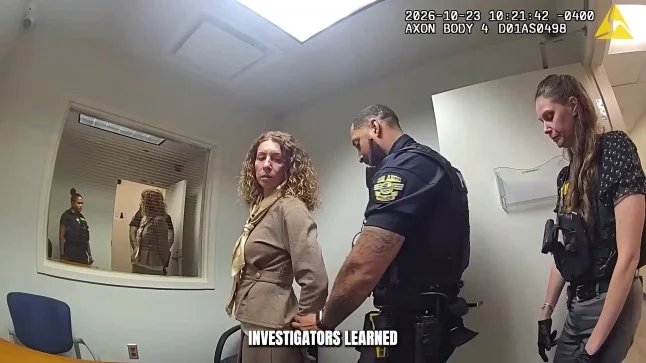
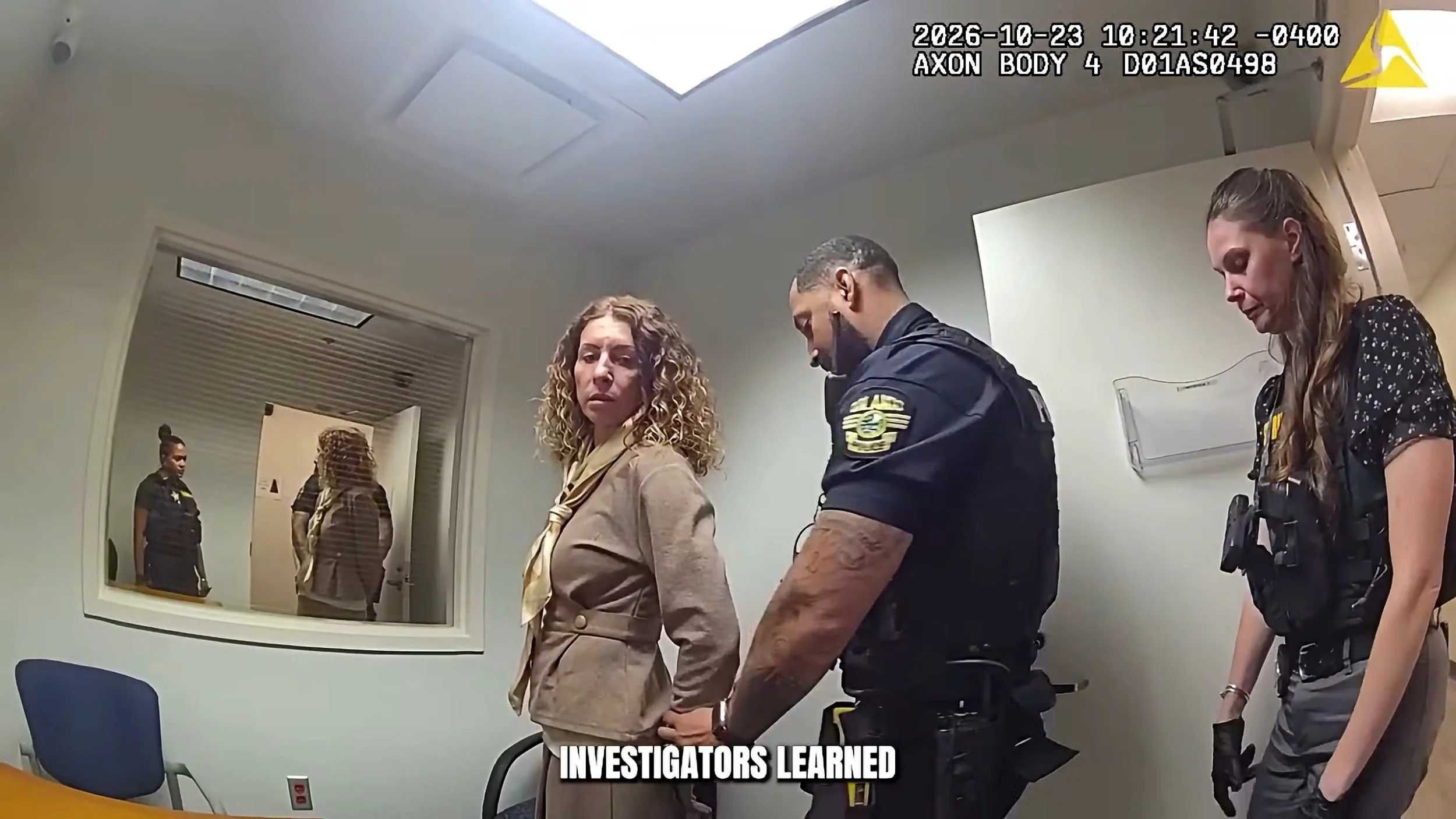
Authorities arranged for the children to stay with their father and planned to meet Miller when she returned to Florida. Bodycam footage posted on Facebook shows officers approaching her after her flight arrived and escorting her to a police car. The footage documents the arrest, while the reported decision to place the children with their father addresses their immediate care after deputies’ response.
That sequence gives the case two distinct tracks: the children’s short-term safety and the investigation into the adult arrangements that preceded the call. In cases involving children, authorities often have to make immediate care decisions before the full circumstances have been tested. Here, the sheriff’s office says the children went to their father, and that officers arranged to meet Miller upon her return. The account doesn’t provide further details about the family’s longer-term arrangements.

The police account also makes clear why the children’s ages are part of the story: they ranged from nine to 14, and the youngest was the child injured. Age alone doesn’t explain how a household is managed, and the article doesn’t provide enough information to judge the children’s abilities or the household’s full routines. But when an adult is away for several days, the arrangements for each child—and for emergencies—become central questions.
What comes next
Miller was booked into the county jail on the four charges after her return. The case turns on the gap between daytime check-ins and the overnight care the children reportedly lacked during her absence. The four counts reflect that authorities brought a separate charge for each child, according to the account; they don’t, by themselves, answer how the allegations will be resolved.
Here’s the thing: the reported injury drew attention, but the broader issue is the care plan across the entire trip. A child was hurt, and deputies say the other children were also at home without adult supervision. The babysitter’s reported visits are relevant context, yet they don’t erase the question of what happened overnight. And yet, the available facts come largely from the sheriff’s office and the account of what Miller told deputies; a fuller picture would depend on evidence and proceedings not described here.
For families arranging care during travel, the general lesson is concrete: a schedule of brief visits may leave unanswered who is responsible between them and who can act in an emergency. That’s not a judgment on every household or every childcare arrangement; the needs of children vary. It’s the central practical question raised by this case. The gap between one check-in and the next.
Miller’s arrest followed her return to Florida, after deputies had responded to the child’s call and arranged for the siblings to stay with their father. The case now rests on the allegations authorities have made about the supervision provided during the trip, including the reported absence of overnight care. The public facts are limited, but they show why the injury and the childcare arrangements are being considered together.
Discussion
Sign in to join the discussion.