Three men were jailed after a tunnel break-in attempt in Tooting led investigators to burglaries across London valued at more than £700,000.

A tunnel exposed a much wider burglary operation
A failed attempt to break into a Tooting jeweller has ended with three men jailed for a combined ten years and two months. Investigators linked their group to burglaries worth more than £700,000 across London, making the attempted tunnel only the most visible part of a longer investigation. Police say the gang targeted properties overnight for months, often using tunnels to get past security. That points to a methodical pattern, not a single improvised attempt.

How officers stopped the Tooting attempt
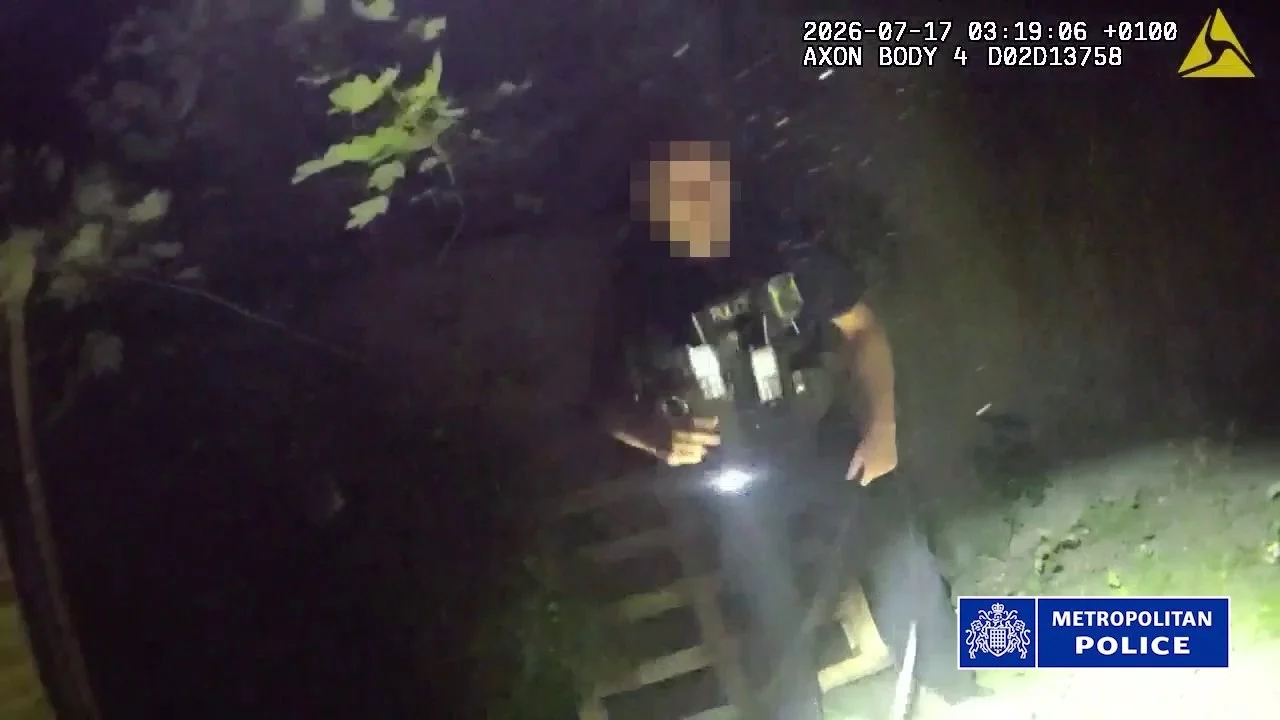
The arrests began shortly after 3am on Friday, July 17, when officers responded to a suspected burglary on Mitcham Road. They found Laurentiu-Daniel Nitisoara in a nearby alley and Ioan Asafeti on a rooftop. The search then moved to the massage parlour next to the jeweller, where officers found digging tools and the route the men had planned through the wall.
That sequence matters because the attempted entry was still in progress when police arrived. The tools and the unfinished route gave officers a direct view of the suspected plan, while the two arrests nearby tied the scene to people who’d allegedly been involved. A tunnel can avoid some conventional points of entry, but digging takes time and leaves a trail of equipment and disruption. In this case, the plan didn’t get far enough to reach the shop.
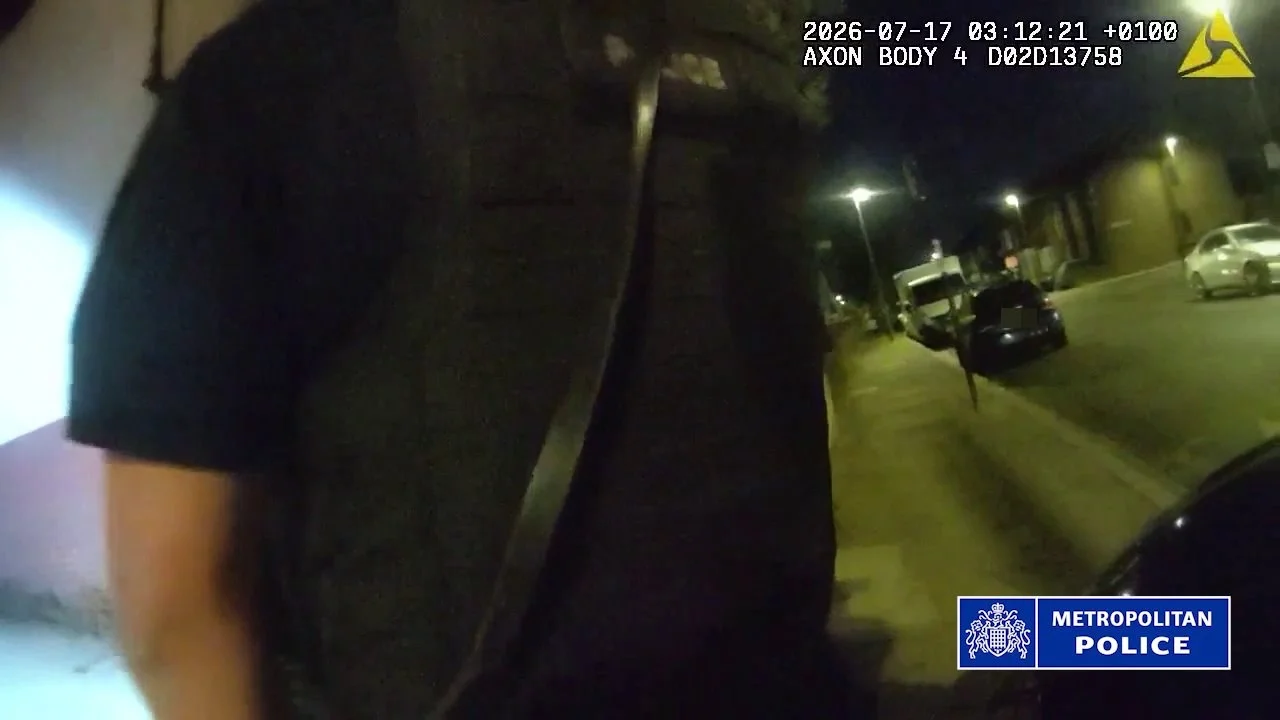
Body-worn footage captures the response, including an officer aiming a Taser at one man and police ordering the other down from the roof. A third suspect, Sergiu Plastin, was arrested later that day at Stansted Airport as he tried to leave for Ireland. Detectives traced him using mobile phone data after identifying a car linked to the group. The account describes a combination of immediate response and later investigative work; it doesn’t explain what evidence connected the car to the earlier burglaries.
What the investigation linked to the group
The Met’s Flying Squad connected the men to burglaries committed between May and July. All three pleaded guilty at Kingston Crown Court to conspiracy to commit burglary with intent to steal and cause criminal damage. Asafeti, 39, received four years in prison; Plastin, 42, three years; and Nitisoara, 38, two years. The sentences add up to ten years, but the central measure of the case is the alleged scale of the linked offending: more than £700,000 in losses.
Detectives say the group mainly targeted jewellers, using tunnels to enter shops overnight while bypassing security systems. They also gathered CCTV showing members acquiring tools and equipment for the burglaries. Those details suggest preparation was part of the operation, though the information released doesn’t set out the role of each man in every incident or how investigators attributed individual burglaries to the group.
Detectives believe the group’s offending may have reached Europe, though the available details don’t establish how far it extended. That claim should be read as an investigative belief, not a confirmed tally of crimes outside London. The distinction matters: the known figure gives the case weight, while the possible wider reach remains unquantified.
The wider picture for businesses
The unusual tunnel makes for a dramatic arrest story. The broader point is more practical: according to the court account, the gang repeatedly entered homes and businesses overnight, bypassing security to take valuables. The Flying Squad also gathered CCTV showing members acquiring tools and equipment for the burglaries. Preparation and repeated access attempts can make these cases harder to detect than a break-in that begins at a visible door or window. But the source doesn’t describe the specific security measures at the targeted properties, so it’s not possible to say which defences failed or what would have stopped the group sooner.
Detective Superintendent Dan Mitchell, of the Met’s Flying Squad, said: ‘These criminals dug their own hole after emergency response officers caught them red-handed.’ It’s a pointed line, and the arrest gives it an obvious hook. The harder question for businesses is what the case says about risk: a focus on conventional entrances may not cover every route into a property. (And this is the part most people overlook.)
What the figures do and don’t show
The Met says commercial burglaries fell by 12.1 per cent in the 12 months to July, compared with the year before. The force also says it has assigned hundreds more officers to community crime-fighting teams and increased visible patrols in targeted hotspots. Those are force-wide figures and measures; they don’t show how many cases involved jewellers, tunnelling, or this particular group.
That wider figure gives the case a sharper context, though it doesn’t show how much of the decline came from those patrols. A fall in reported commercial burglaries may be relevant to the public debate about policing, but the information here doesn’t establish cause and effect. The Met’s message to businesses is that it will pursue burglary suspects and bring them before the courts.
For readers working in retail or security, the case is a reminder that access routes can be as important as alarms and cameras. Similar burglary cases often turn on basic investigative work: a prompt response, evidence gathered at the scene, CCTV, and links between people, vehicles and equipment. This is more significant than it looks, but the available account still leaves open how many other offences were connected and whether the suspected European reach produced confirmed cases. For now, the clearest conclusion is narrower: officers stopped the Tooting attempt and secured guilty pleas in a case tied to substantial losses across London.
London crime Stansted mobile phone
Latest London news
- Busy London Tube station could close for a year to fix failing escalators
- New Pokémon store to open in London and it's permanent this time
- London's 'most useless' Tube line is actually just misunderstood
To get the latest news from the capital, visit Metro's London news hub.
The arrests point to a wider operation
The significance of the arrests goes beyond the attempted break-in in Tooting. The Met’s Flying Squad says its investigation connected the group to jewellery shop burglaries across London worth more than £700,000. That figure places the attempted tunnel within a broader alleged series, though the available account doesn’t itemise the individual burglaries or their losses.
The Met says commercial burglaries fell by 12.1 per cent in the 12 months to July, compared with the year before. The force also says it has assigned hundreds more officers to community crime-fighting teams and increased visible patrols in targeted hotspots. Those figures describe a broader policing effort, not an explanation for the outcome in this case.
That wider figure gives the case a sharper context, though it doesn’t show how much of the decline came from those patrols. The Met’s message to businesses is that it will pursue burglary suspects and bring them before the courts. The practical test will be whether investigations can identify patterns across separate incidents and turn them into evidence strong enough to support charges and guilty pleas.
Discussion
Sign in to join the discussion.