After surviving two lethal injection attempts, Christa Pike says she remains isolated in prison and is seeking a return to other inmates.
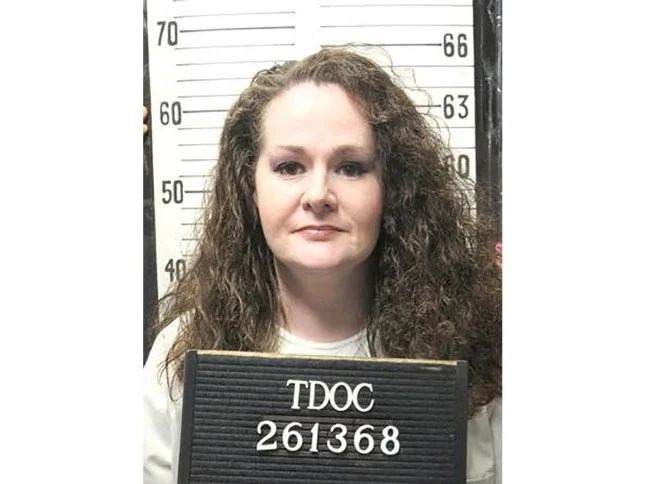
Christa Pike’s failed execution has left her facing two forms of confinement: she survived two lethal injection attempts, and she says she remains cut off from other people in prison. Her lawyers are now asking a federal judge to intervene, arguing that prison officials have breached an agreement intended to end her long isolation.
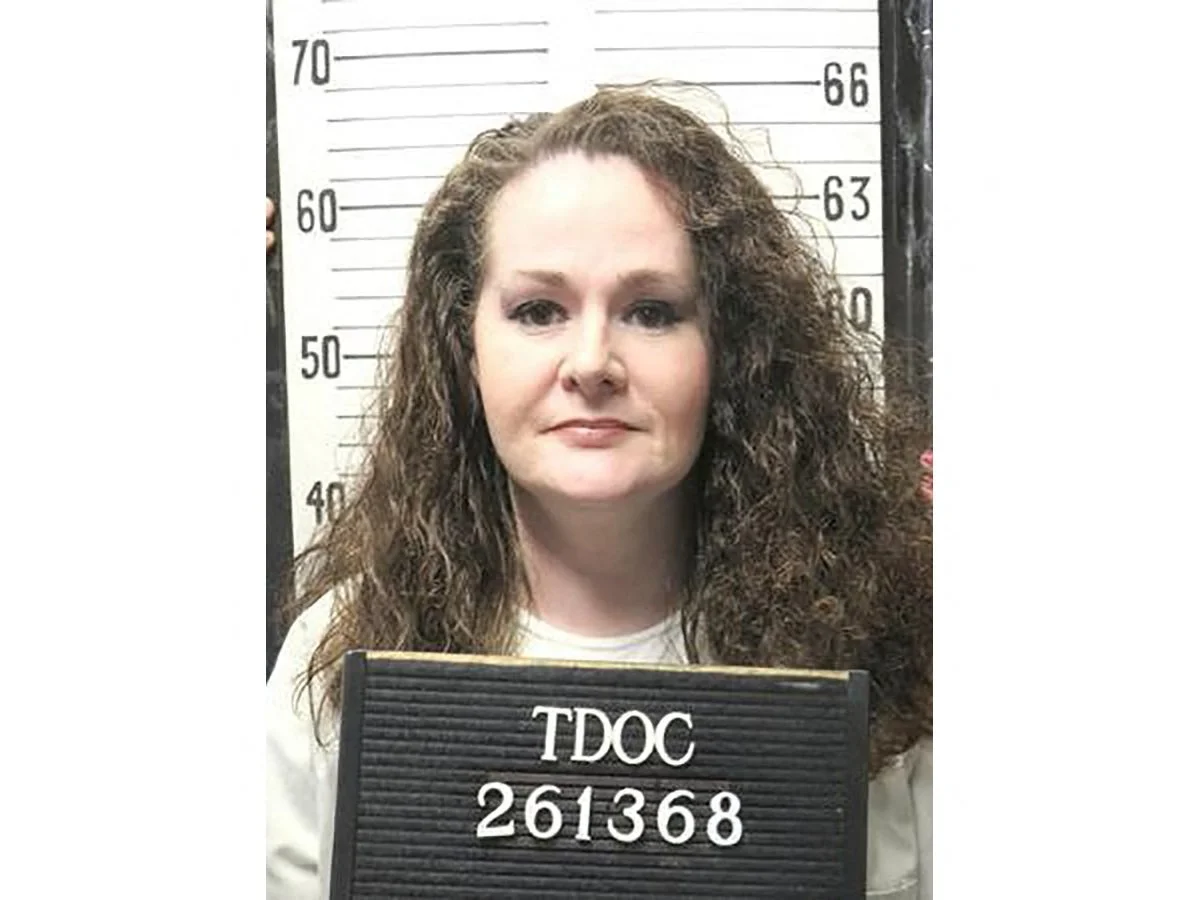
Christa Pike says she is “searching for meaning in what happened” and is recovering from the ordeal. Her two failed execution attempts have also prompted a new legal fight over the conditions in which she is being held.
Pike, 50, has spent three decades in prison for torturing and killing 19-year-old Colleen Slemmer in 1995. On September 30, she was due to become the first woman executed in Tennessee in 200 years. Instead, she became the first person known to survive two lethal injection doses.
Two full syringes of pentobarbital were administered, but Pike’s heartbeat continued. Witnesses reported hearing snoring and gurgling through the execution chamber microphone after the first dose and the backup dose failed. She was taken to hospital, where staff treated her, then returned to prison ten days later.
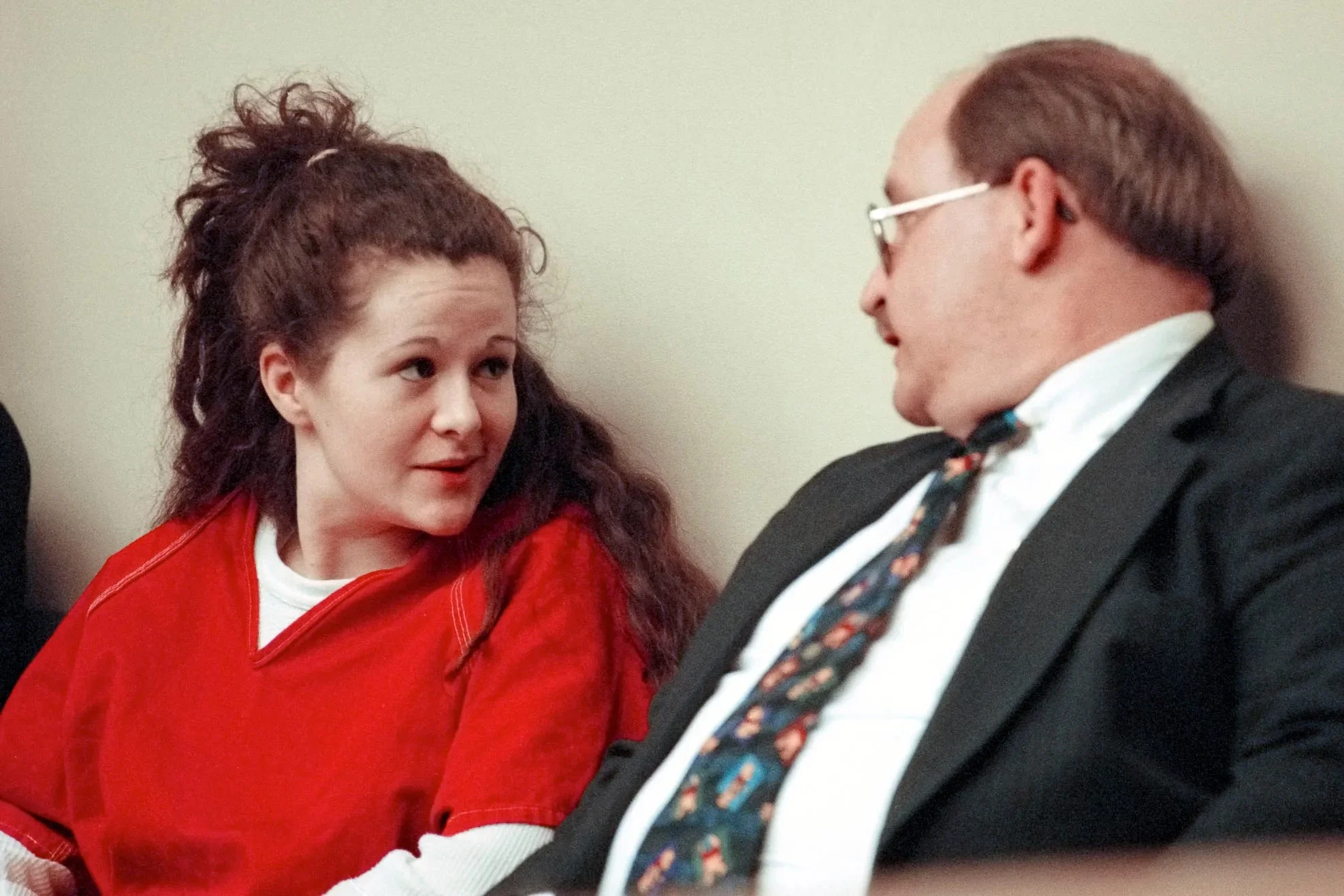
Now, according to TMZ, Pike has filed an emergency motion asking a federal judge to end her placement in solitary confinement. Court documents obtained by the outlet say prison officials are violating a 2024 agreement that was supposed to bring her decades in isolation to an end.
Since leaving hospital on October 9, Pike has reportedly been kept alone in the prison infirmary. Staff have not clarified whether she will be allowed to see other inmates, or when that might happen. Pike says 28 years in isolation have harmed her psychologically and has raised concerns about her living conditions. Her lawyers say their warnings about the agreement have gone unanswered, leading them to seek court intervention.
In a statement dictated to her legal team, Pike criticized the execution team’s “incompetence” while an investigation into what happened continues. She described entering the chamber prepared to die:
“One month ago on September 30, I walked into the execution chamber at Riverbend men’s prison prepared to die.
“I had made my peace. I had told the people who loved me, supported me and stood by me through the years I was grateful for them. I had also told the people in the room and who were there to witness my execution that I was leaving them in loving kindness.”
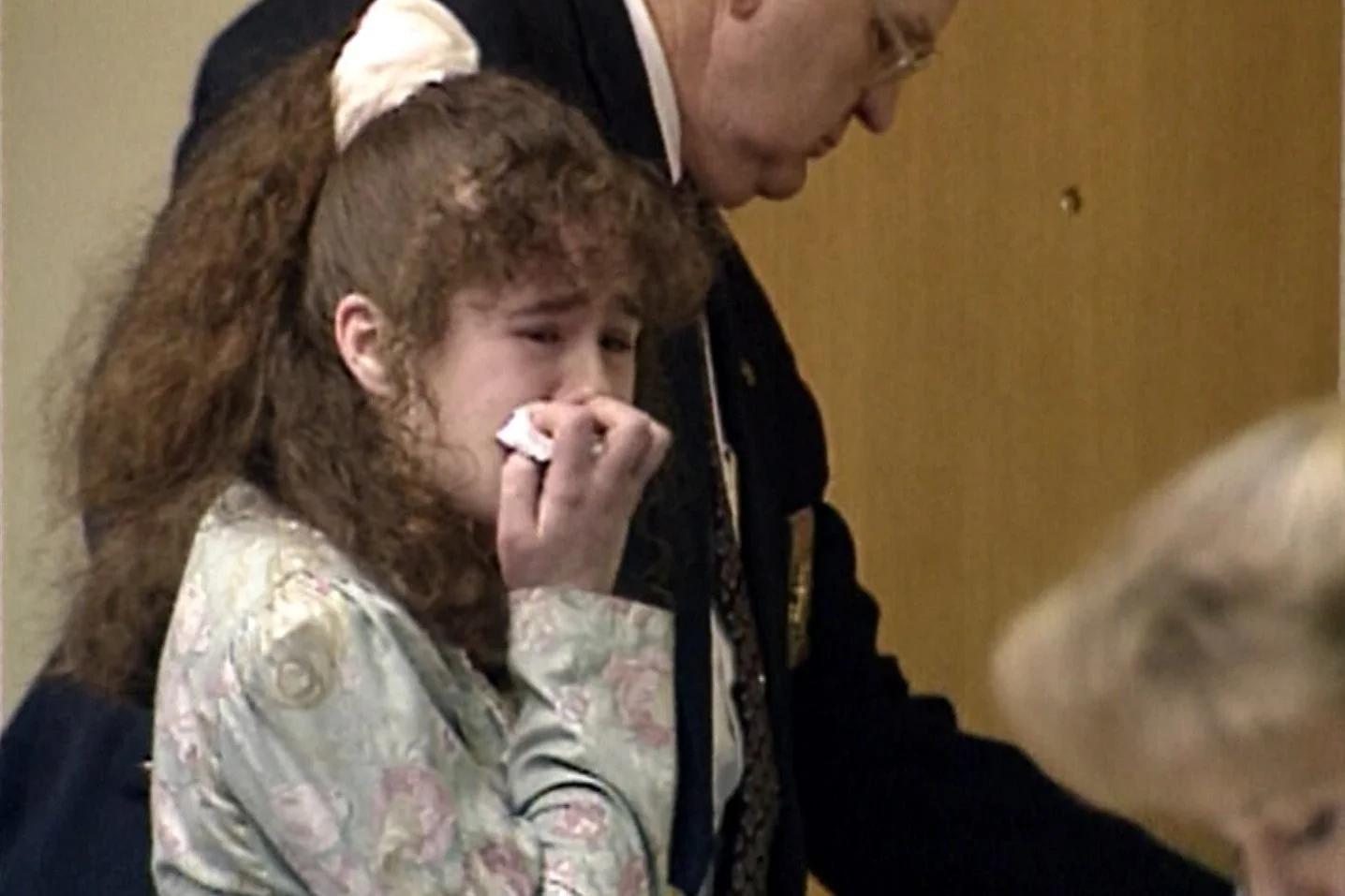
Pike said she woke up alone in hospital days later, confused and in pain. She described continuing pain in her body, arms, hands and throat, and said she still struggles to speak. “The pain isn’t just physical,” she said. “There is pain in my mind and in my soul.”
She also said she had not imagined a life beyond execution night and was “deeply hurt by the incompetence that has put so many people in this terrible position.” Pike added that she continues to think about Slemmer’s family and the loss they have endured.
Slemmer’s mother, May Martinez, called the failed executions a “mess.” She watched with her husband, Raul Martinez Jr., and later told People: “If I could have gotten in that room, I would have taken the box cutter and cut her up like she did Colleen.”
Pike says she is getting stronger, but cautions that recovery does not mean she is well. She described being largely isolated in the medical ward since the execution attempt, separated from the human contact she values. After 28 years in solitary confinement, she said, much of what she is experiencing now feels like a return to that condition.
“I am searching for meaning in what happened to me,” Pike said. She credited support from people around the world with giving her strength, including kindness and prayers from longtime acquaintances and strangers who have never met her.
Pike says she is taking recovery one day at a time
Christa Pike’s account of recovery is marked by uncertainty. “I don’t know why I survived that night. I don’t know what comes next,” she said, adding that some days it’s harder to find hope. For now, she’s trying to heal one day at a time, holding on to the support of people who have reminded her she isn’t alone. She also thanked the people who cared for her in hospital, including first responders, doctors and nurses, praising their compassion and respect. And she acknowledged her attorneys and others who stood by her. Pike said the knowledge that people see her as a person whose life matters had touched her more deeply than she could explain. Her lawyers kept the public informed while she was hospitalised. The lasting effects on her cognitive and psychological health remain unknown. That uncertainty matters: surviving the procedure does not, by itself, tell us what recovery will look like.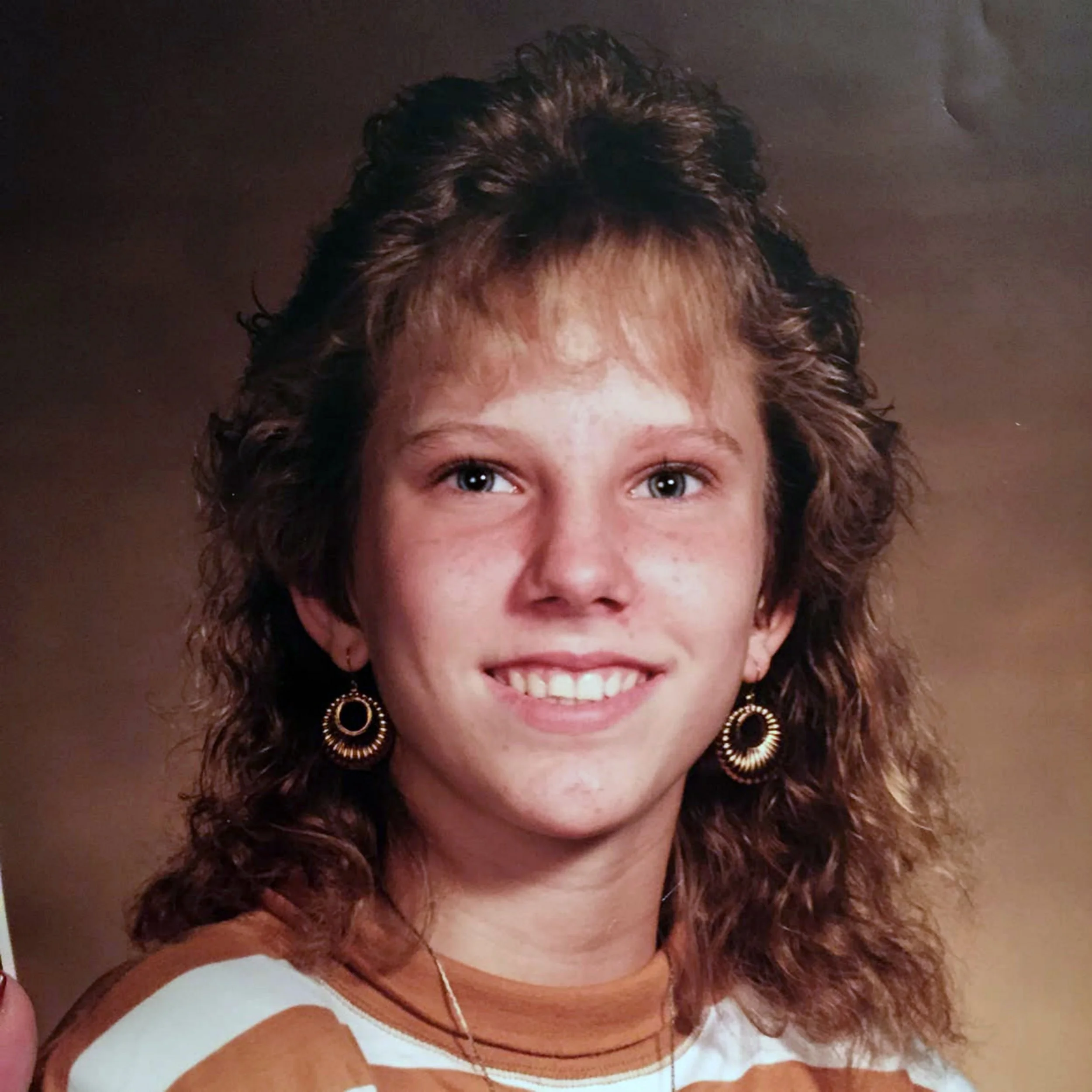
Discussion
Sign in to join the discussion.