Anthony Durkan admitted 26 voyeurism charges after officers caught him filming at a home in Islington. Police are seeking further potential victims.
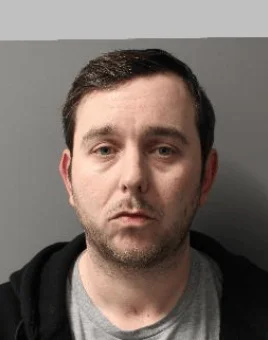
Police patrols prompted by reports of a man filming through women’s windows led to the arrest of Anthony Durkan in Islington, north London. A review of his devices later uncovered evidence spanning years, including hundreds of images and videos. The arrest began with reports of activity outside people’s homes, but the device search widened the investigation into older, unresolved incidents.
Patrols led to an arrest
Two women reported being filmed through their homes’ windows. In the incidents, a man dressed in black and wearing a balaclava approached properties after dark and raised a camera to a window. That description gave officers a pattern to watch for: not simply someone passing through a neighbourhood, but someone approaching homes and directing a camera toward people inside.
The Metropolitan Police introduced dedicated patrols in response. On the first night, officers in an unmarked car saw Durkan approach a property and repeat the reported behaviour. They arrested him moments later. The timing matters: officers were already looking for conduct that matched the reports, and the patrols put them in a position to intervene while it was happening.
This kind of investigation depends on connecting what residents report with what officers can observe. A person filming through a window may be difficult to identify from a single account, particularly when the activity takes place after dark and the person’s face is concealed. Here, the reported clothing and behaviour gave police details they could use during patrols. That doesn't mean every similar report will lead to an immediate arrest; it shows why clear, timely information can help officers focus their attention.
Investigators found a hidden gallery on his phone containing hundreds of images and videos of women. Further examination of his devices revealed evidence of other offences, leading detectives to revisit older reports in which no suspect had been identified. The devices therefore became more than evidence about the incidents that prompted the patrols: they gave detectives material to compare with reports already on file.
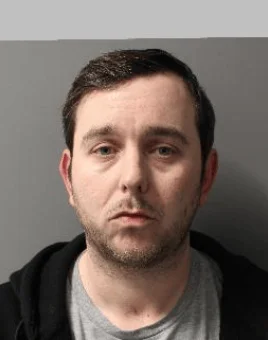
That work linked Durkan to offending dating back to January 2020. Police found 99 images and 162 videos and are still working to establish how many women appear in them. Those figures describe files, not confirmed victims; one person could appear in more than one item, and investigators haven't yet established the total number of women represented. That distinction matters when the scale of an investigation is still being assessed.
Four-year sentence, with inquiry continuing
Durkan admitted 26 voyeurism charges and was sentenced to four years in prison at Snaresbrook Crown Court. The article identifies his age as 35; the accompanying video description gives his age as 33. The available account doesn't explain the discrepancy, so the difference remains unresolved here.
A prison sentence resolves the court proceedings on the charges Durkan admitted, but it doesn't answer every question raised by the device search. Detectives say the investigation remains open and are asking anyone who may have been affected to contact police. Their continuing work is aimed at establishing who appears in the material and whether other reports can be connected to it.
A Met spokesperson said officers particularly want to hear from women in Islington and north London who noticed unusual activity near their homes between January 2020 and March 2026, especially late at night or in the early hours. That request gives potential witnesses a place, period and general type of behaviour to consider. If you're working out whether something you saw is relevant, the police are asking about unusual activity near homes; the account doesn't say a report needs to have been made at the time.
Here's the thing: the investigation's reach now depends partly on whether people recognise a connection between their experience and the pattern detectives are examining. Someone who saw a person near a home may not have known what was happening, and the absence of an identified suspect in an earlier report didn't necessarily mean the incident could never be revisited. Device evidence can give investigators leads to check against previous accounts. And this is the part most people overlook: finding a large collection of files doesn't by itself tell police how many people were affected or settle the circumstances behind each item.
Detective Chief Inspector Gemma Alger said Durkan targeted women in the privacy of their homes, often without their knowledge. She credited reports from local women and proactive patrols with helping officers identify and arrest him before more people could be targeted. Her comments place the initial reports at the centre of the case: they prompted a focused response that led officers to encounter Durkan.
Alger also thanked the victims for coming forward and supporting the investigation. Their involvement can help detectives build a fuller account of the offending, while further enquiries may identify people who haven't yet contacted police. The investigation's next step is straightforward, even if the work behind it isn't: establish the full scope and whether other women were affected. Still unresolved.
What the ongoing inquiry could establish
This case is more significant than it looks because the arrest and the broader inquiry came from two different kinds of evidence. The first was what officers saw during patrols, matching conduct already reported by residents. The second emerged later, when investigators examined Durkan's devices and found material that prompted them to revisit older reports. The sequence shows how a focused response to a current concern can expose questions that reach further back.
For women in the area, the police appeal is a request to share information that could help fill gaps in the investigation. For detectives, the task is to test possible links rather than assume that every image, video or previous report concerns the same person or event. That work takes care. The available facts establish the charges Durkan admitted and the sentence he received; they don't yet establish how many women appear in the files.
The public account also leaves practical questions unanswered, including how investigators will resolve the file count into an assessment of who may have been affected. Those details may emerge as the inquiry continues, but they aren't established in the information provided. For now, the clearest measure of the case's scope is that it reaches back to January 2020 and remains open, with police seeking further contact from women who may have noticed suspicious activity near their homes.
Discussion
Sign in to join the discussion.