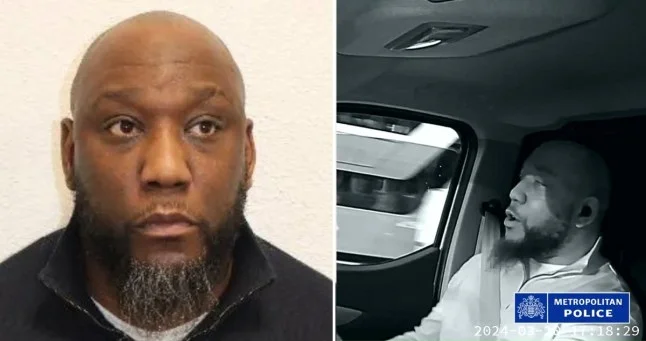
Mark Okotie was jailed for three years and six months after steering his van into a cyclist, who suffered multiple fractures.
Road rage ends in serious injury
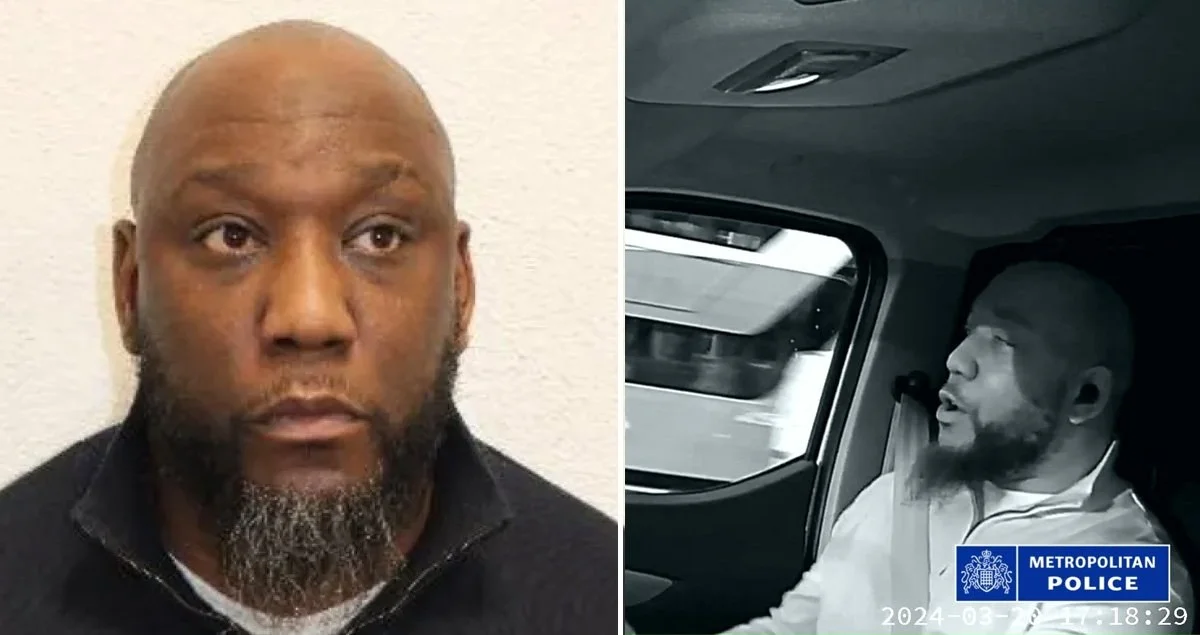
A brief road rage incident ended with a cyclist suffering multiple fractures after van driver Mark Okotie deliberately steered into him. Woolwich Crown Court sentenced Okotie to three years and six months in prison after a jury convicted him of causing grievous bodily harm with intent. The conviction turned on the court’s conclusion that the collision was deliberate, rather than an accident arising from a tense encounter on the road.
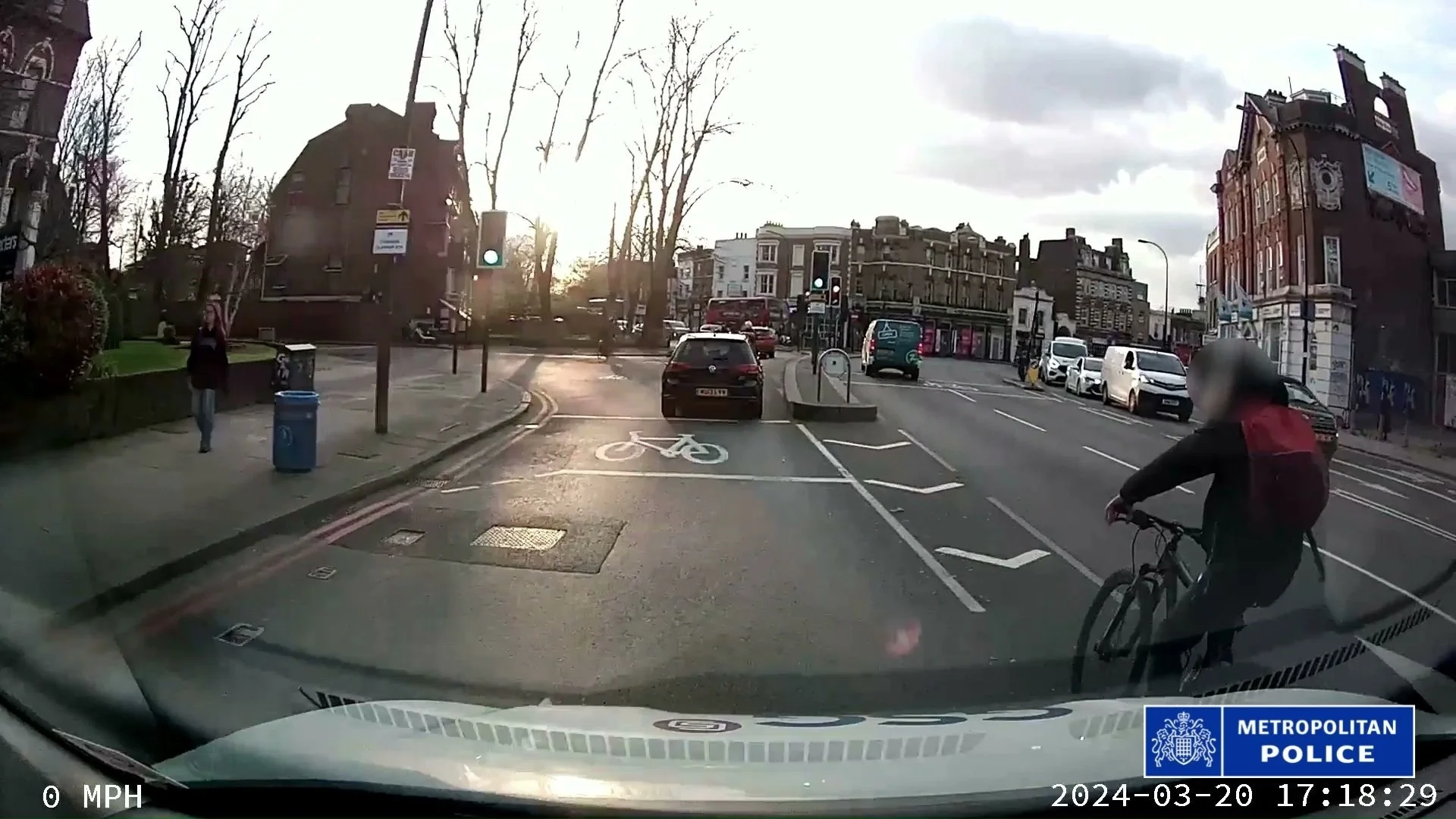
The collision happened during rush hour on March 20, 2024, on New Cross Road in Lewisham. Okotie, 44, was driving blood products to a south London hospital when he moved into the left lane, coming close to a cyclist. At the next traffic lights, the cyclist spat toward him through the open driver’s window, the court heard. That provocation was part of the account presented in court, but it did not lessen the seriousness of the driver’s response.
Dashcam footage showed Okotie sharply turning the wheel and knocking the cyclist from his bike. The cyclist went beneath two wheels of the van. He later needed multiple screws and plates inserted into his pelvis and femur to repair several fractures. The sequence captured on camera gave the court direct evidence of how quickly the confrontation escalated from an exchange at traffic lights into an act with lasting consequences.
Judge calls van a dangerous weapon
Recorder Neil Haythorne described the incident as an extreme burst of road rage and said Okotie had used the van as “a highly dangerous weapon.” He noted that the violence appeared out of character, based on what the court had heard about the defendant. The remarks draw a clear line between the brief provocation at the lights and the force of the response: a large vehicle can turn a roadside dispute into a potentially catastrophic assault within seconds.
The judge did not bar Okotie from driving. He had continued to drive for the two and a half years since the incident. That decision sits alongside the prison sentence and reflects the specific outcome of the case; the court’s account does not suggest that continued driving erased the seriousness of the offence.
The victim said in a statement released by police that his injuries have stopped him jogging and taking part in other physical activities. “When I hear a van or a large vehicle coming up behind me when I’m cycling, it can make me panic,” he said. The effect described is not confined to the period of physical recovery: ordinary traffic has become a reminder of the collision and a source of fear while riding.
Defence points to community work
Okotie, who lives on Naylor Road in Southwark, mentors young people to help keep them away from violence. His barrister, Mandisa Knights, told the court he is a father of eight and grandfather to a one-year-old, and has tried to steer young people toward a different path from the violence he encountered when younger. That background was offered as context for the person the defence said he had been before the incident.
Knights said the incident was a drastic departure from the man described by his family and community. She called it “a momentary relapse in retaliation” and said Okotie would have to face the young people he had mentored and acknowledge what he had done. The argument asked the court to weigh the offence against his wider role in the community, while leaving the jury’s finding of intent intact.
Detective Inspector Steven Andrews of the Met Police said Okotie had been carrying blood intended for hospital patients who needed it. He said the driver instead put another person’s life at risk, and that the sentence should offer the victim some measure of justice. The delivery’s purpose adds a stark detail to the case, though the central issue remains the deliberate use of the van against a cyclist.
What the case leaves behind
This is more significant than it looks: the injuries were severe, but the victim’s statement also describes a lasting change in how he experiences cycling near larger vehicles. A criminal sentence can mark the court’s judgment of the act; it can’t by itself restore confidence on the road or undo the physical limits that followed surgery. And this is the part most people overlook: the consequences of road rage can continue long after the argument itself has ended.
If you're working in transport, delivery, or road safety, the case is a blunt reminder that a vehicle’s everyday purpose doesn’t change the harm it can cause when used aggressively. Here's the thing: the cyclist’s act of spitting was cited in court, yet the response captured on dashcam was a deliberate turn that sent him under the van’s wheels. A moment. A sentence. Years of impact.
The case leaves a sharp contrast: a driver entrusted with a delivery intended to support hospital treatment used his vehicle in an act that caused lasting physical and psychological harm. The cyclist’s ongoing fear of traffic underscores how the impact extends beyond the injuries themselves. For readers, the detail worth carrying away is how quickly anger behind the wheel can become violence, with consequences that outlast the encounter by years.
Latest London news
- Busy London Tube station could close for a year to fix failing escalators
- New Pokémon store to open in London and it's permanent this time
- London's 'most useless' Tube line is actually just misunderstood
To get the latest news from the capital, visit Metro's London news hub.
Get in touch with our news team by emailing us at [email protected].
For more stories like this, check our news page.
Discussion
Sign in to join the discussion.