Russell Brand's trial over multiple sexual assault charges has commenced, spanning allegations from 1999 to 2009, which he vehemently denies.
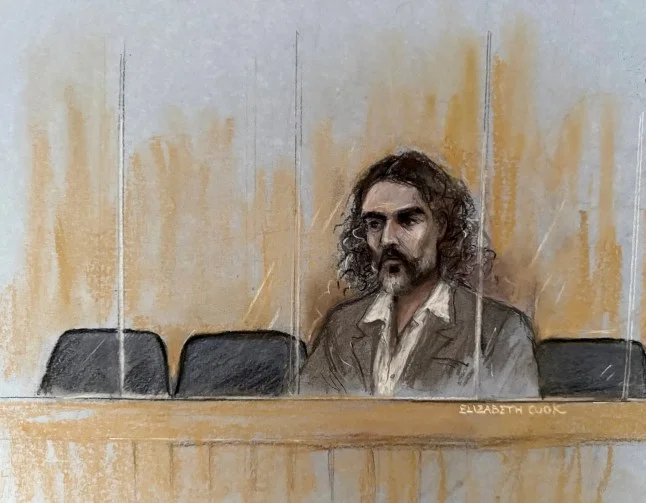
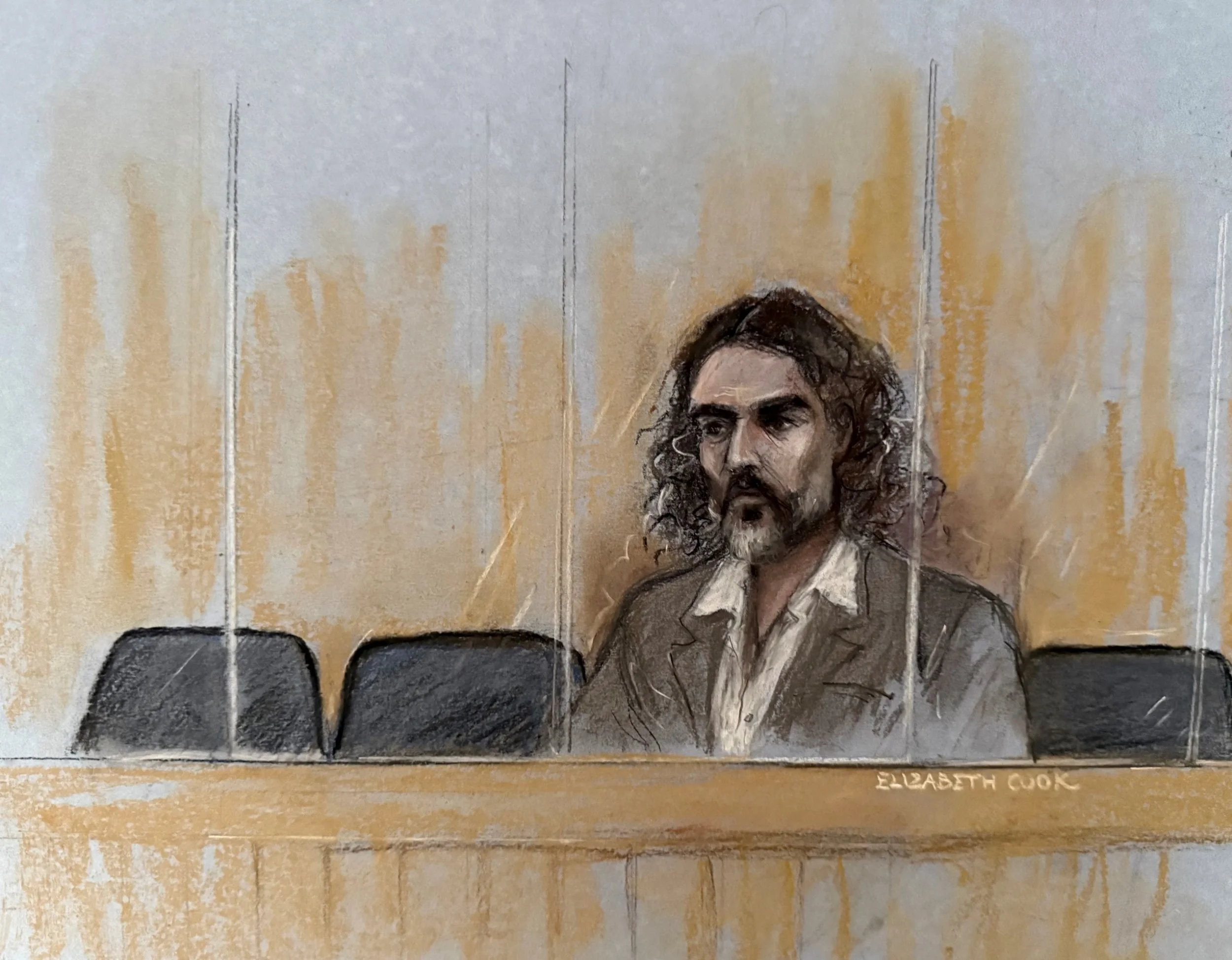
The Charges Against Russell Brand
Russell Brand finds himself in a precarious situation as he stands trial facing serious allegations that include multiple counts of rape and sexual assault involving six women. With the comedian and podcaster now 51, he firmly denies all allegations, which reportedly originate from incidents stretching back over a decade, from 1999 to 2009. This time frame holds particular significance, as it encompasses a period when Brand was gaining prominence in the entertainment industry, which might influence public perception and the trial's proceedings.
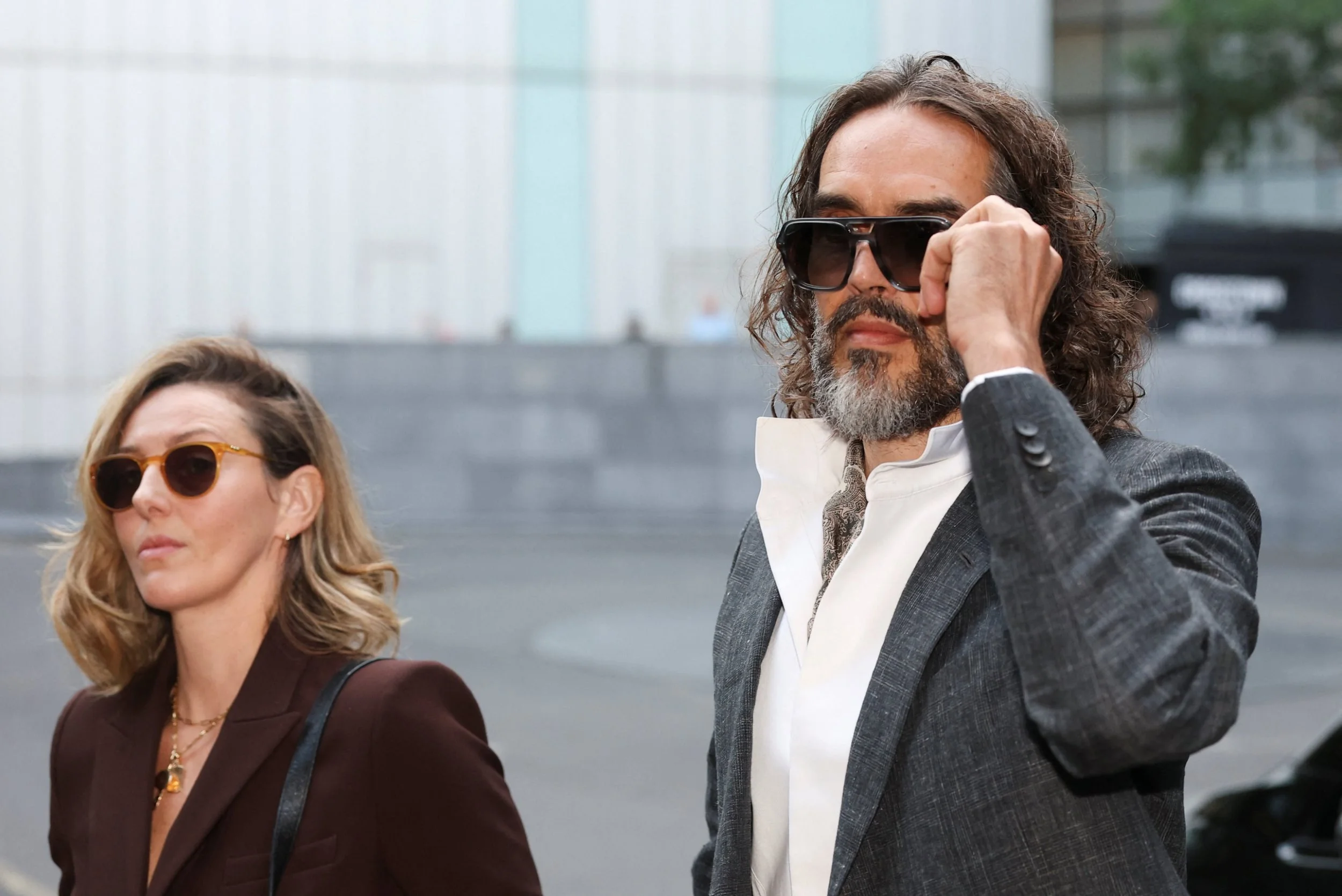
Arriving at Southwark Crown Court dressed in a grey suit and sunglasses, Brand was accompanied by his wife, Laura Brand Gallacher. The trial's commencement included the jury selection process, a task likely to prolong the proceedings significantly — potentially stretching on for up to ten weeks. This duration could reveal more about the gravity of the allegations and the court's approach to a case that has already garnered considerable media attention, emphasizing the tensions that often accompany high-profile trials.
The Nature of the Allegations
The specific charges levied against Brand include three counts of rape, three counts of sexual assault, and one count of indecent assault. The allegations paint a disturbing picture, detailing incidents such as the rape of a woman at a hotel during the Labour Party conference and an assault involving another woman in a toilet. The severity and nature of these allegations may influence not only the trial's outcome but also the public's perception of Brand as a celebrity who has enjoyed significant popularity in the UK and beyond.
Brand’s Career Trajectory
In the lead-up to trial, Brand attended pre-trial sessions at the central London courthouse, with his wife offering support. The nature of the allegations is serious: among them, accusations of raping a woman at a hotel during a political gathering and forcing a television worker to perform a sexual act against her will. The allegations could have significant repercussions for his previously successful career, depending on the trial's outcome.
Brand’s career path has zig-zagged from stand-up comedy to becoming one of the most recognizable faces in British television and film. With iconic performances in projects like "Forgetting Sarah Marshall" and "Rock of Ages," he transitioned into podcasting in recent years, building a substantial following. His shift to podcasting reflects broader trends in media consumption, where audiences crave more personal engagement with content creators. However, this trial poses a significant threat to his brand, and if anything, it illustrates the delicate balance public figures must maintain between their personal lives and careers.
As the trial progresses under the watchful eye of High Court judge Mr Justice Bennathan, Brand maintains his not guilty plea. He remains on bail, which adds an element of uncertainty to his future as this significant legal battle unfolds. His ability to withstand the scrutiny that a trial of this magnitude entails will be tested as the attention from both media and the public intensifies.
Implications of the Trial
The implications of this trial are substantial, both for Brand and the entertainment industry at large. If the court finds him guilty, it will not only affect his career — it raises questions about accountability within the entertainment sector, particularly concerning how allegations of misconduct are handled by both individuals and institutions. The mere fact that such serious accusations have emerged could serve as a wake-up call for many in the industry. If you’re working in this space, the trial may symbolize a growing demand for transparency and ethical behavior.
And yet, even if Brand is acquitted, the allegations alone will linger, reminding audiences of the complexities of celebrity culture and public trust. This case may encourage other victims to share their stories, creating ripple effects throughout various aspects of society where power dynamics often shield individuals from accountability. What this means for you in this industry is an increasing need to discuss, acknowledge, and address concerns around harassment and abuse in all environments — personal and professional.
(and this is the part most people overlook) the cultural narratives around accusations and their consequences—that can shape public discourse, alter perceptions, and influence how future cases are perceived. As Brand's trial unfolds, all eyes will remain focused, scrutinizing not just the defendant's actions but the broader implications of how we view and respond to such serious allegations. This trial is more significant than it appears; its outcomes could reverberate throughout the entertainment industry and society at large for years to come.
In sum, Brand's case isn't just about him; it intertwines with ongoing societal discussions regarding power, trust, and culpability. Given its high-profile nature, it will likely spur conversations on how we handle similar allegations in the future. As the trial unfolds, the narratives that emerge will shape our collective understanding of consent, accountability, and the responsibilities of those in positions of power.
Discussion
Sign in to join the discussion.