The Heartbreaking Story of Harry Webb: A Call for Improved Road Safety
Published Oct 11, 2026Reads 1,080By Brooke Davies
Harry Webb, a talented music student, tragically lost his life in a cycling accident due to reckless driving, igniting urgent calls for improved road safety measures.
The Tragic Circumstances Surrounding Harry Webb's Death
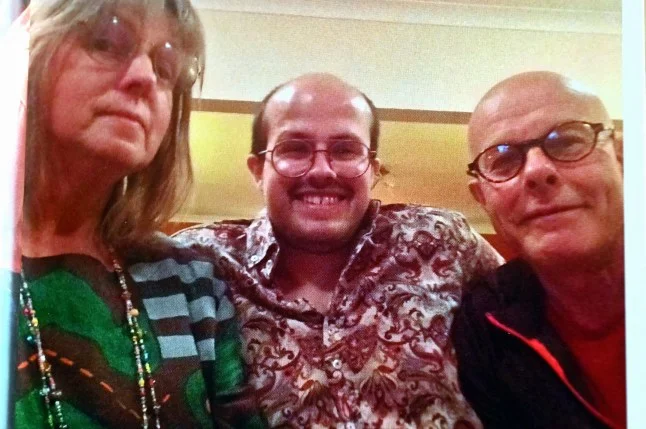
The heartbreaking death of Harry Webb, a 27-year-old music production student, strikes at the very core of road safety and accountability. Just hours after moving into his new flat in Hackney with his parents' help, Harry was on the phone with them, expressing gratitude, when tragedy struck. He was struck by an Audi A1 driven by Tiffany Treanor-Johnson, who was under the influence of nitrous oxide and speeding at 53mph in a 20mph zone. This collision occurred as Harry cycled, wearing his helmet, clearly exemplifying his commitment to safety that he often encouraged in others.
What stands out in this devastating incident is not only the senselessness of the event but also the apparent lack of remorse from the driver responsible. After the crash, Treanor-Johnson fled the scene, only to be stopped by another vehicle. This raises serious questions about how society approaches driving violations. Are current laws sufficient to deter reckless behavior? Too often, we see examples of drivers who evade accountability for their actions. Mike Webb, Harry's father, poignantly highlighted the family's ongoing grief, underscoring that the road where Harry lost his life had been a site of community campaigns for improved safety features for over 15 years. This week, as many families and community members reflect on their own loved ones, the urgency for systemic change is louder than ever.
A Life Cut Short
Harry was much more than just a cyclist; he was an extraordinarily talented individual who had dedicated his life to music and academia. With degrees in mathematics and philosophy, he was pursuing a master’s degree at the London College of Contemporary Music. His passions included traveling to learn different musical styles—like flamenco in Spain and clave in Cuba—demonstrating both his intellect and creativity. Tragically, his life and promising future were stolen in a moment of recklessness.
His parents' anguish is palpable as they recall the joyful moment just before the accident, when their son called to thank them for their support. It’s heart-wrenching to imagine the pride they felt just minutes before it all turned tragic. Patricia Webb noted the inherent stupidity of the situation, reflecting a sentiment shared by many facing similar senseless tragedies. The couple insists that no family should endure such agony, and Mike has since called for stricter regulations regarding road safety to prevent future incidents. Their shared pain is compounded by the public's response, with many expressing how much Harry's radiant personality touched their lives.
In court, Treanor-Johnson shifted her plea to guilty just before her trial, admitting to causing Harry's death by dangerous driving. It raises significant questions about accountability within the judicial system. The sentencing judge expressed doubts about her character based on her previous denial and lack of accountability. Ultimately, the judge sentenced her to ten years in prison—a punishment viewed as insufficient by Harry’s family, who argue that his life—and the lives of his loved ones—are irreparably changed. This outcome underscores the complexity and often perceived leniency of legal consequences for reckless driving, leaving victim families to grapple with their grief and community calls for change.
The Aftermath and Call for Change
In the broader context, this tragic incident highlights a disturbing trend of cyclist fatalities in London, particularly in East London where Harry's death is one of several reported within a short timeframe. These patterns prompt critical discussions about cycling safety and the responsibilities of drivers—issues that remain pressing in urban environments. The sad truth is that cyclist fatalities have been rising, and communities face the pressing need for safer road infrastructures.
As the community mourns, their calls for immediate action to enhance road safety serve as a hopeful reminder that Harry's memory can inspire change. For those of us in media and advocacy, this tragedy underscores the urgency to hold negligent drivers accountable and to enact policies that prioritize the safety of vulnerable road users. If you're working in this space, consider how these discussions shape policy and public perception. The tragic loss of a young life should push us to reevaluate existing road safety measures rigorously, as Mike Webb aptly stated: “Nobody should be killed cycling within a 20mph area in London; it is totally unacceptable.” This sentiment resonates far beyond their personal loss and bodes well for advocacy efforts aimed at preventing further tragedies.
Implications for Road Safety Policy
Here’s the thing: Harry's death is not just another tragic headline; it serves as a catalyzing moment that could influence future road safety policies in London and beyond. Communities across the city, and indeed the country, are reflecting on how they could bolster safety measures to protect cyclists and pedestrians alike. With increasing awareness, local governments may find themselves pressed to enhance infrastructure, such as introducing more bicycle lanes, increasing police patrols in high-incident areas, and considering stricter penalties for dangerous driving behaviors.
Moreover, this incident speaks to the need for educational initiatives that promote road safety awareness among both drivers and cyclists. Programs that encourage shared responsibility could drastically lessen future incidents. Environmental concerns, traffic congestion, and urban design often complicate these discussions, but prioritizing safety should transcend these challenges. Citizens deserve better protections on the roads. That's a rallying cry worth sharing.
Discussion
Sign in to join the discussion.