TfL is using virtual reality to provide immersive training on responding to hate crimes, aiming to improve safety across its network.
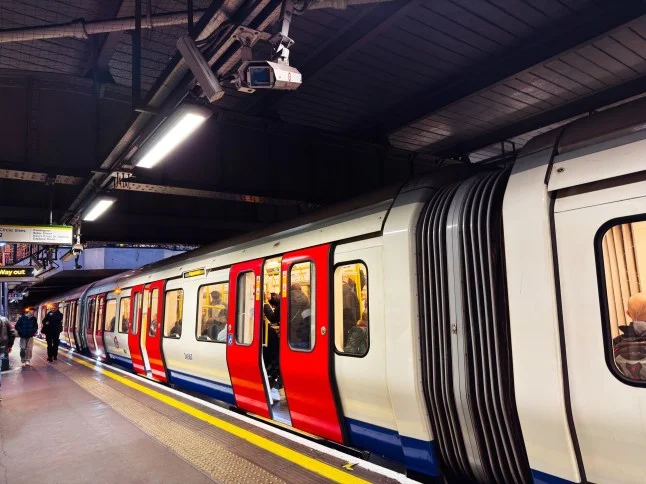
Transport for London (TfL) is responding to rising hate crime rates with an innovative virtual reality initiative. The organization has organized immersive VR demonstrations at eight Underground and Overground stations, enabling commuters to experience the role of a bystander in various scenarios involving hate crimes.
Purpose and Context of the Initiative
The events are set against the backdrop of National Hate Crime Awareness Week, which runs from October 10 to October 17, aiming to educate the public on how to safely intervene during such incidents. Participants will have the chance to experience the perspectives of both victims and witnesses. This immersive approach allows users to see firsthand the heavy impact hate crimes can have on individuals and communities while demonstrating how effective interventions can be beneficial.
The fundamental question this initiative raises is about the broader implications of bystander intervention. The act of stepping in during a hate crime can be daunting. Many people freeze or shy away from intervening even when they know it's the right thing to do. This initiative is not just about awareness; it's also about empowerment. If you're working in this space, understanding how to foster bystander intervention could be key to combating hate crimes more effectively.
Locations and Sessions
The venues for these sessions include prominent stations such as Stratford, Liverpool Street, Harrow-on-the-Hill, Victoria, Euston, Golders Green, Stamford Hill, and Finsbury Park. So far, two sessions have been conducted at Stratford and Liverpool Street, with more scheduled throughout the week. Each venue was chosen based on foot traffic and demographics, indicating TfL's strategy to reach as many potential bystanders as possible.
Spatial awareness plays a role here too. Commuters are often in a rush, preoccupied with their own chores. Positioning these sessions in high-traffic areas increases the chances that people will stop and engage with the content. And yet, what's most critical is not just participation but actual change in behavior. Will the lessons learned translate into real-world actions when moments of crisis arise? That remains to be seen.
The Disturbing Rise in Hate Crimes
As reported, London saw a 36% increase in hate crimes on its transport network, with 2,396 incidents recorded from January to August 2026 alone. This spike, startling as it is, can be attributed to various factors including heightened awareness and reporting. What we should question, however, is whether this increase is merely a symptom of greater societal issues or if it's indicative of a broader trend within urban environments.
Traditional methods of reporting hate crimes often relied on victims coming forward, and now, with rising awareness, more people are recognizing and documenting these distressing incidents. TfL's commitment to reversing this trend is significant; it highlights an organizational acknowledgment that safety isn't just about surveillance and policing but about communal responsibility.
Training Opportunities and Accessibility
In addition to physical VR sessions, TfL is offering six free online active bystander training sessions, facilitated by the charity Protection Approaches. Interested individuals can book these sessions through Eventbrite. Expanding access to this training is a smart move. It breaks down barriers for those who might be hesitant to participate face-to-face, making this critical training available to a wider audience.
(And this is the part most people overlook) training formats. Online platforms can lend themselves to diversity in participant demographics. They allow people to learn in a space where they might feel more comfortable, reducing the fear of social judgement that can often accompany public workshops. What’s left to ponder are the implications of how many of these online participants will transition their learning into actionable skills in their communities.
Voices from Leadership
According to Siwan Hayward, TfL's Director of Security Policing and Enforcement, “We want to reassure all Londoners that we take everybody’s safety and security seriously. We will not stand for hate crime of any form on our network.” She emphasized the importance of providing practical advice to help commuters feel more confident in intervening during incidents.
Echoing this sentiment, Kaya Comer-Schwartz, the Deputy Mayor for Policing and Crime, remarked, “Everyone should feel safe and be safe when travelling in London. Hate crime and harassment have no place on our transport network, or anywhere in our city…” These comments underscore a commitment from leadership to not only combat hate crimes but also to foster an inclusive community. The challenge lies in how effectively this commitment translates into grassroots actions that affect daily lives.
Significance and Future Outlook
These VR demonstrations signal a proactive approach in addressing hate crimes and may encourage a culture of awareness and mutual support among travelers. As the initiative progresses, it could become a model for other cities striving to enhance safety and inclusion in public spaces. However, the real test will be the measurable impact of these sessions. Are people truly more equipped to act in the moment? Will this initiative merely add a layer of awareness, or will it lead to transformative change?
As cities grapple with rising hate crimes, setting a precedent for bystander training may echo in future policy and public safety measures. What’s clear is that TfL is trying to change the dialogue around intervention, pushing for a community that thrives on active participation rather than passive observation. Only time will tell if such efforts will hold weight in making London a safer place for all.
Discussion
Sign in to join the discussion.