The latest All Ball episode challenges the perception of "overrated," exploring its nuances beyond simple label in sports commentary.
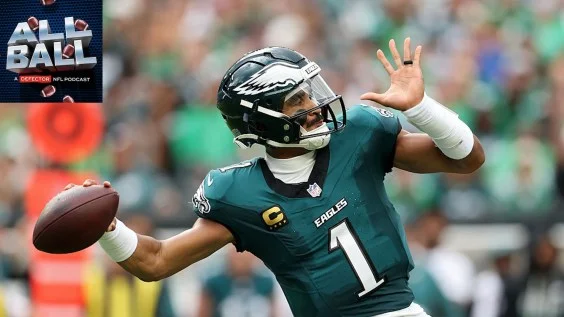
Challenging the Concept of "Overrated"
This week's episode of All Ball, titled “Jalen Hurts Is OVERRATED,” dives deeply into the complexities behind the term 'overrated.' Observers often slap this label on players without examining its implications, reducing a rich discussion to sensationalist headlines. In sports, words carry weight, and when something is labeled as overrated, it can stick with a player for much longer than the performance that sparked the conversation.
Looking back, this isn’t a new phenomenon. The sports world has seen similar controversies, where a player’s perceived value is called into question—sometimes unfairly. Critics are quick to jump to conclusions about athlete performance, often based on a single game or a specific set of statistics, ignoring the broader context. But what does 'overrated' really mean? Is it simply subjective criticism, or does it speak to deeper questions about expectations and performance? It’s a conversation that not only concerns individual players but also contributes to larger narratives surrounding teams and their cultures.
Beyond Clickbait
Sure, the phrase may ignite anger and debate, but what if we funnel that energy into a more sophisticated understanding of the word? Both Arif Hasan and I sought to explore how 'overrated' doesn't inherently conflict with being 'good.' This distinction could shift our perspectives dramatically. At its core, labeling a player as overrated can often reflect more about public expectations and media portrayals than the actual skill of the player.
In the realm of sports analysis, the use of such explosive terminology can lead to what could be termed a feedback loop of hype and backlash. Fans and media alike set higher benchmarks for certain players based on circumstances—be it draft status, contract size, or media attention. It’s a classic case of perception versus reality. A player labeled 'overrated' may indeed be a very skilled athlete, yet not living up to the towering expectations set around them. In many instances, this dynamic can create unwarranted pressure that can affect performance negatively, resulting in a paradox where the very label meant to critique can become a self-fulfilling prophecy.
A Lighthearted Critique
In addition to this nuanced discussion, we couldn't resist poking fun at the Packers' recent performance against Carson Wentz, adding a dose of humor to the analysis. After all, sports discussions should engage both the mind and the spirit! This mix of critique and levity is crucial. Sometimes, the most profound criticisms can be embedded within humor; it captures attention while also providing a more digestible way to think about complex issues. Light-hearted commentary can also humanize analysis, enabling fans to connect more deeply with the narratives surrounding their favorite teams.
The Bigger Picture
When considering the implications of calling a player overrated, we also need to look at how this conversation affects fans' perceptions and engagement with the sport. If the label sticks, it can engender a dismissive attitude toward a player’s performances. You might hear fans saying, "What’s the point? He's just overrated." This attitude can create rifts within fan bases and diminish the appreciation of talent that exists, despite any shortcomings in a player’s performance.
Moreover, analyzing how discourse on player value translates into commercial viability is crucial. The term 'overrated' could impact merchandise sales, endorsements, and overall marketability. If a player is seen as less valuable, sponsors may pull back, and revenues could dip, affecting the team's financial health. In the broader context of sports economics, businesses thrive on support for key players, and such labels can make or break that support base.
Implications for Future Discussions
What does this all mean for the future dialogues surrounding sports? If you're working in this space, understanding how narratives shape perceptions is essential. The trend of sensationalist claims could lead to progressively divisive conversations, especially as social media amplifies such labels. Moving forward, a critical eye should be cast not just on player statistics, but on the motives and backgrounds of those who provide the commentary.
And yet, there exists a genuine opportunity to foster deeper connections. If the industry shifts focus from labeling to a more in-depth analysis of performance, it could lead to healthier discussions. This approach could encourage players to embrace their roles without the looming pressure of ratings, ultimately leading to enhanced performance on the field. Why not unpack the minutiae of statistics, game strategies, and player development instead of slogging through superficial critiques?
The concept of being 'overrated' warrants a reevaluation. That label, once plastered on, can take on a life of its own, potentially damaging a player's reputation—whether justified or not. So here’s the thing: ensuring these discussions remain fair and grounded in reality is critical. That might be the most significant outcome from all this analysis. A fresh perspective might not just serve athletes better but also enrich the fan experience and the sport itself.
Discussion
Sign in to join the discussion.