Latvian cyclist Martins Blums pivots to gravel racing amid sponsorship challenges, aiming to capitalize on new opportunities in 2026.
Transition to Gravel Racing
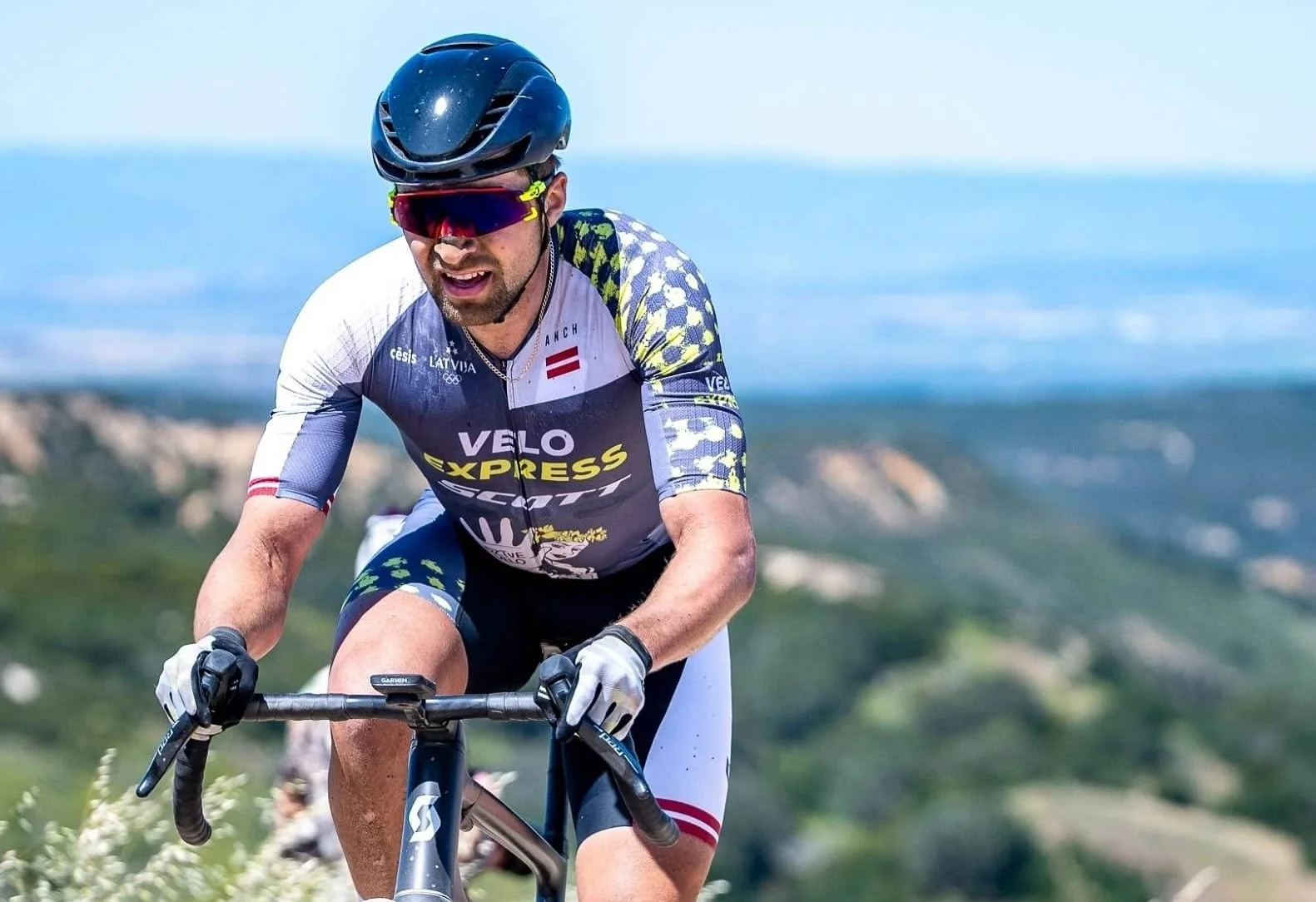
Martins Blums, a seasoned competitor from the UCI Mountain Bike World Cup, made a significant shift to gravel racing during April's Sea Otter Classic. This event, known for its challenging mix of terrain and diverse athlete participation, showcased his skills against top-tier athletes in a discipline that's rapidly gaining popularity. Gravel racing, once a niche pastime, is transitioning into a mainstream segment of cycling, drawing attention not just from casual riders but also elite racers. While Blums has a rich history in cross-country racing in the U.S., this year marked his foray into qualifying for the Life Time Grand Prix, although just months prior he was grappling with sponsor arrangements for the upcoming 2026 season. What’s interesting here is how quickly athletes like Blums are adapting to the changing dynamics of competitive cycling. The Sea Otter Classic is a pivotal event in the racing calendar, and his decision to compete there speaks to a broader shift in cycling culture. Gravel events are burgeoning; they’re offering new challenges and, more importantly, new opportunities for sponsorships and visibility.
Competitive Background
The 30-year-old Latvian has an established reputation, having previously raced with Bart Brentjens' KMC-Ridley team for eight years and representing Latvia at the Paris Olympics. His notable achievements include securing a third-place finish in the short track race at Leogang and an eighth-place spot in the Lenzerheide XCO during the 2023 season. These accomplishments underscore his competitive pedigree and suggest that shifting disciplines isn’t just a whim—it’s a calculated move based on his strengths and market opportunities. Additionally, he claimed the overall title in the Under-23 XCO series in 2017, showing he’s no stranger to the podium. Transitioning to gravel racing isn't just about changing bikes. It's about recalibrating strategy, adapting to new technical demands, and even changing one's physicality. Gravel racing encompasses technical skills, endurance, and tactical awareness in a way that cross-country racing doesn’t always demand. It is intriguing to consider how athletes with a strong competitive background might excel in this new context.
Challenges and Strategic Shifts
After an early-season injury hampered his performance in 2025, Blums found himself reassessing his competitive options. Injuries often force athletes to reconsider their trajectory, acting as catalysts for strategic shifts. Faced with lackluster results and the imperative to adapt, he opted to create a privateer racing program focused on a mix of World Cup events and gravel races for 2026. “I was really surprised by how many opportunities there are in gravel racing,” Blums remarked after attending Sea Otter. This insight encapsulates the current sentiment in the cycling community, where gravel races are seen not only as competitive but also as a chance to engage a broader audience. After all, gravel racing has this unique allure that traditional road and mountain biking often lack—it’s accessible, community-driven, and offers a laid-back atmosphere. Connecting with people at the expo and recognizing the potential for growth seems to reflect not just personal ambition but an understanding of an evolving market. He expressed hope that the support from current sponsors could lead to more substantial deals in the future, illustrating the symbiotic relationship between athletes and sponsors as both navigate a changing competitive scene. This is more significant than it looks; the intersection of strategic sponsorship and athlete branding can create new narratives that shape cycling culture.
Sponsor Dynamics and Series Participation
Blums has secured backing from Velo Express, a Latvian bike shop, and Scott bikes. His decision to forgo the 32-inch bike used by some of his counterparts in favor of a standard Addict model is noteworthy; it underscores a deliberate choice that speaks to his racing philosophy. The financial incentives associated with the Life Time Grand Prix were a major draw for his application, especially since its schedule aligns with the mountain bike World Cup. This overlap presents unique advantages, enabling athletes like Blums to maximize their racing opportunities while appealing to a diverse fan base. That said, he faced an initial setback: having not been included in the primary Grand Prix roster. Here’s the thing: it points to a broader issue in competitive sports—selection processes often hinge on visibility and marketability in addition to performance metrics. Instead, he must compete for one of three wildcard spots based on his performance at Sea Otter and the Unbound Gravel event. This situation raises questions about how athlete success is quantified in terms of both results and the ability to attract sponsorships. If you’re working in this space, paying attention to these dynamics could inform how future sponsorships might evolve.
Future Outlook and Implications
The transition that athletes like Blums are making has far-reaching implications for the future of competitive cycling. As gravel racing continues to grow, it's likely that more established athletes will follow suit, drawn by the promise of not just competition but also community engagement and narrative-building opportunities. This shift could influence event organizers and sponsors, encouraging them to invest more resources into gravel racing initiatives. Moreover, as athletes embrace a more diversified racing portfolio, expect a rise in the privateer model, where individual racers build their own sponsorship deals rather than relying solely on team structures. This could lead to a more fragmented yet vibrant racing culture. And as gravel racing becomes more ingrained in the competitive hierarchy, the delineation between different types of bicycle racing may blur, leading to a multifaceted cycling environment where adaptability is key. Blums's journey is just one story in a larger narrative. But it captures a moment in time where cycling is redefining itself, responding to both athlete needs and consumer interests. The implications of these transitions in racing—and sponsorship dynamics—will resonate for years to come, shaping the careers of upcoming athletes and the future of the sport itself.
Discussion
Sign in to join the discussion.