Concerns Emerge After Christa Pike’s Troubled Execution Raises Ethical Questions
Published Oct 02, 2026Reads 2,183By Emily Bashforth
Christa Pike's botched execution highlights serious flaws in lethal injection protocols and ignites a critical debate on capital punishment ethics.
Botched Execution Raises Serious Questions
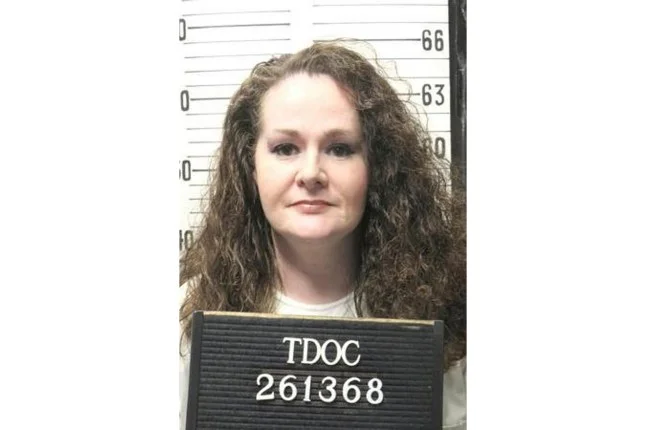
Christa Pike’s troubled execution on October 1, 2026, has ignited widespread criticism and concern about the efficacy and ethics of lethal injection protocols. Initially, after the administration of two doses of pentobarbital, Pike was declared alive but unresponsive. This troubling outcome raised alarms about the reliability of execution methods designed to be humane and effective. Despite the intended purpose of the procedure, her heart continued to beat as observers struggled to reconcile the ideal of a quick, painless death with the grim reality they witnessed.
The gravity of this incident is magnified by Pike's defense team, which has pointed to serious lapses in the execution protocol. The lawyers argue that flaws in the intravenous (IV) line placements significantly contributed to the ineffective administration of the lethal drugs. Testimonies from legal representatives reveal that, “At no point did any member of the execution team realize that the IV lines were not correctly placed or that the veins had blown.” This omission is alarming, as it raises questions about the training and preparedness of the execution team. Rather than halting the procedure to address these critical issues, the execution team resorted to using backup syringes, leading to a wasted hour of attempts that ultimately proved futile.
Witness accounts from the ceremony provide a horrifying glimpse into the reality of the botched execution. Attendees reported hearing Pike snoring and gasping, sounds that should never accompany an execution designed to be a swift process. (And this is the part most people overlook) — the emotional toll on those witnessing this event cannot be understated. Pike’s own distress was palpable, exemplified by her poignant question: “Does this happen like that?” Her discomfort and movement during the injections prompted serious questions about the supposed dignity afforded to those undergoing capital punishment.
The fallout from this execution has prompted an outcry for accountability from Tennessee officials. Governor Bill Lee expressed public disappointment, emphasizing a need for a thorough and independent investigation into such a lapse. His statements reflect concerning sentiments common among politicians facing similar crises: the desire to maintain public trust. “Tennesseans deserve a justice system that is fair, that’s consistent… my responsibility is to uphold the sentences that Tennessee juries have handed down, even when it’s difficult,” he asserted, showcasing a degree of resolve amid the chaos.
Yet, this incident raises a pressing question regarding executions in Tennessee. With Pike now established as the first person to survive two lethal injections, this case has emerged as a pivotal focal point in the capital punishment debate. The complexities are manifold: advocates of the death penalty argue for its necessity, while critics point to human errors, like those witnessed during Pike’s execution, as evidence of a flawed system.
Pike's case forces a confrontation with broader ethical concerns surrounding the death penalty. She was scheduled to be the first woman executed in Tennessee in over 200 years, but instead, she has become emblematic of a broken system. This incident exposes vulnerabilities in execution methodologies and beckons an urgent reevaluation of capital punishment practices overall—both in Tennessee and nationwide.
The Victim’s Family Speaks Out
Sombre reflections from the family of victim Colleen Slemmer deepen the tragedy surrounding Pike’s execution. May Martinez, Slemmer's mother, was present during the botched execution and described the experience as “a mess.” Her perspective underscores the profound emotional scars left by violent crime and compounded by the execution's failure. With decades of grieving behind her, including missed family gatherings and milestones that eroded with time, Martinez’s pain is palpable.
She conveyed her grief through a chilling statement toward Pike: “If I could have gotten in that room, I would have taken the box cutter and cut her up like she did Colleen." Such raw emotion highlights the intense desire for justice and the often conflicting sentiments surrounding capital punishment. For victims' families, the execution represents finality; anything less feels like a betrayal of their loved ones' memory.
As legal battles unfold and the public inquiry intensifies, the future of capital punishment in Tennessee may be altered irrevocably. If you're working in this space, you'll want to keep an eye on how this incident shapes discussions about execution protocols and justice. The public and officials alike are now confronted with the glaring reality of execution methodologies, sparking debates that challenge long-held beliefs about the efficacy and morality of the death penalty.
Implications for the Future of Capital Punishment
The implications of Pike's botched execution extend well beyond her individual case. The ethical concerns surrounding such incidents could trigger significant upheaval within the justice system. Advocates for reform are likely to leverage this incident to argue for a reexamination of the death penalty, questioning whether it can coexist with a moral society that values humane treatment. As discussions continue, legislators may find themselves revisiting existing laws, focusing on transparency and accountability in execution practices.
At the very least, this incident is a wake-up call about the relationship between legality and ethics in capital punishment. Public sentiment is shifting; many view the death penalty as increasingly problematic, especially when human errors lead to such harrowing situations. Therefore, as the spotlight turns on Tennessee's execution practices, other states will be closely monitoring not just the outcomes but also the ongoing discussions about reform and justice system integrity. This situation may very well usher in a new era of scrutiny and reevaluation, demanding that officials ensure that justice meted out aligns with societal values of compassion and accountability.
Discussion
Sign in to join the discussion.