Record-high temperatures during the Eagles vs. Titans game highlight escalating climate issues affecting NFL players and spectators.
Heatwave in Nashville
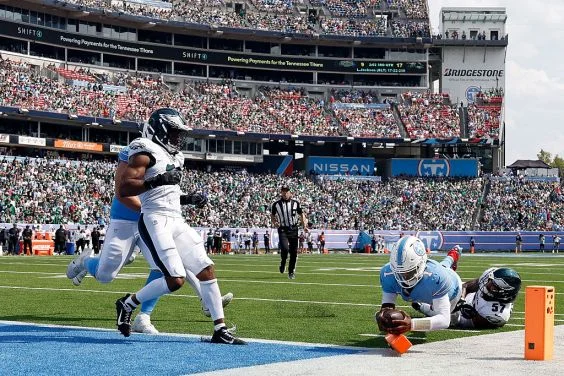
During the Eagles and Titans game in Nashville, viewers might have noticed unusual scenes, including players receiving foot baths on the sidelines. Temperatures soared into the mid-90s, prompting significant concern for player safety as Nashville was under a heat advisory. The heat index, which could reach an alarming 108 degrees, posed a challenge for both teams. As climate change continues to alter weather patterns, events like this may soon become the norm in many regions.
This isn’t just an isolated incident; it’s symptomatic of a larger trend. While summer heat waves are not new, the intensity and frequency of extreme weather events appear to be increasing. Such conditions don't just impact players' physical performance. They can also lead to severe health risks, including heat exhaustion and heat stroke, raising questions about the management and protocols surrounding player safety.
In professional sports, the industry has historically placed a premium on the “next man up” mentality. However, when dealing with the elements, it’s vital for teams and leagues to rethink their approach to heat advisories and player health. This incident signals that the stakes are higher—and teams may have to adjust practice and game schedules based on weather predictions in real-time.
Turf Temperatures Soar
In the third quarter, conditions worsened, with reports indicating that the turf at Nissan Stadium reached oppressive levels, hitting 157 degrees. Artificial turf has often been criticized for heating up faster than natural grass, which can exacerbate the risks associated with high temperatures. Players can experience burns, slipping, and other dangerous scenarios when working on such surfaces.
For comparison, similar incidents have occurred in other outdoor stadiums. In the past, players in various sports leagues have suffered due to extreme turf temperatures, prompting discussions around the materials used in synthetic fields. The choice of turf often involves trade-offs regarding durability, maintenance, and safety—yet few discussions prioritize how these decisions affect athlete well-being on hotter days.
What’s particularly alarming in Nashville is not just the immediate dangers posed, but how these elements intertwine with the broader issue of climate change. If today's conditions represent a trajectory we can expect in the coming years, stakeholders—from teams to league officials—will need to innovate swiftly to safeguard athletes and maintain game integrity.
Comparative Analysis of Extreme Weather in Sports
This situation mirrors other instances where extreme weather affected sporting events. Take, for instance, the drastically altered conditions in Miami during a playoff game where extreme humidity changed the dynamic for both teams on the field. Similarly, in extreme cold, players have had to adapt to sub-zero temperatures, where frostbite concerns shift protective gear choices and strategies during gameplay. The NFL instituted new protocols for extreme weather a few years back, yet those measures often feel more like reactive attempts than proactive planning.
Beyond just football, other sports have faced these challenges head-on. Tennis tournaments in Australia routinely wrestle with soaring temperatures during the Australian Open every January, leading to emergency heat rules that halt matches for player safety. Such instances raise the question of why leagues don’t adopt universally recognized safety protocols tailored for extreme conditions across all sports.
Implications for Future Sporting Events
The implications of heat-related incidents in sports, especially events like the one in Nashville, are profound. Teams and leagues may have to transition toward more immediate assessments of environmental conditions pre-game and during games. Picture this: portable temperature sensors that could provide live readings on turf and air conditions, allowing for timely decisions to ensure player safety.
Also, if you're working in this space, consider how these evolving conditions could impact attendance, ticket sales, and player negotiations. With more fans becoming aware of the ramifications of extreme weather, their purchasing decisions could reflect a desire for safer environments. Prioritizing player safety can enhance both the sport's ethics and its public perception.
Moreover, investing in better materials for fields—ones that are less prone to extreme heating—should be part of long-term planning. Organizations need to look at their infrastructure not just as cost centers but as strategic assets that can contribute to player safety and overall fan experience. After all, stadiums should be havens for athletes, not hotspots for injuries.
So, what does this all circle back to? The need for reform. Not merely in terms of immediate on-field player protections but for the strategic foresight of leagues in addressing climate-based challenges. This is a pivotal moment for sports organizations worldwide; if adaptations aren't made now, the fallout could extend far beyond just one game in Nashville.
Discussion
Sign in to join the discussion.