A South Carolina prison officer has been fired and arrested for allegedly smuggling home-cooked meals to inmates, raising security concerns.

A prison officer in South Carolina has been dismissed and arrested after being caught allegedly smuggling home-cooked meals into the facility where she worked. Matrese Grant, who acted as a sergeant and shift supervisor at the W. Glenn Campbell Detention Center, was terminated following reports of her unauthorized activities.
Initial Reports and Discovery of Misconduct
Initial suspicions arose when another officer observed what appeared to be unlawful items entering the detention center. This kind of vigilant observation among staff members is crucial in maintaining security in such facilities. Investigations revealed that Grant was allegedly hiding food under a blanket to bypass surveillance cameras on September 7 and later directing inmates to secure spots where they could retrieve the contraband meals. This points not only to negligence in standard operating protocols but also to a potential network of complicity between Grant and the inmates.
Suspension and Investigation

By September 9, the behavior was reported, leading to her suspension without pay just two days later. This rapid response underscores the facility's commitment to promptly addressing misconduct. Grant’s dismissal followed a comprehensive investigation into the allegations surrounding her actions. She was arrested on September 17 and is facing charges of misconduct in office and providing contraband to inmates, although the specifics of any harmful items being included in the meals have not been indicated. This raises a troubling question: what else might be slipping through the cracks when a trusted officer engages in such behavior?
The Aftermath of Arrest
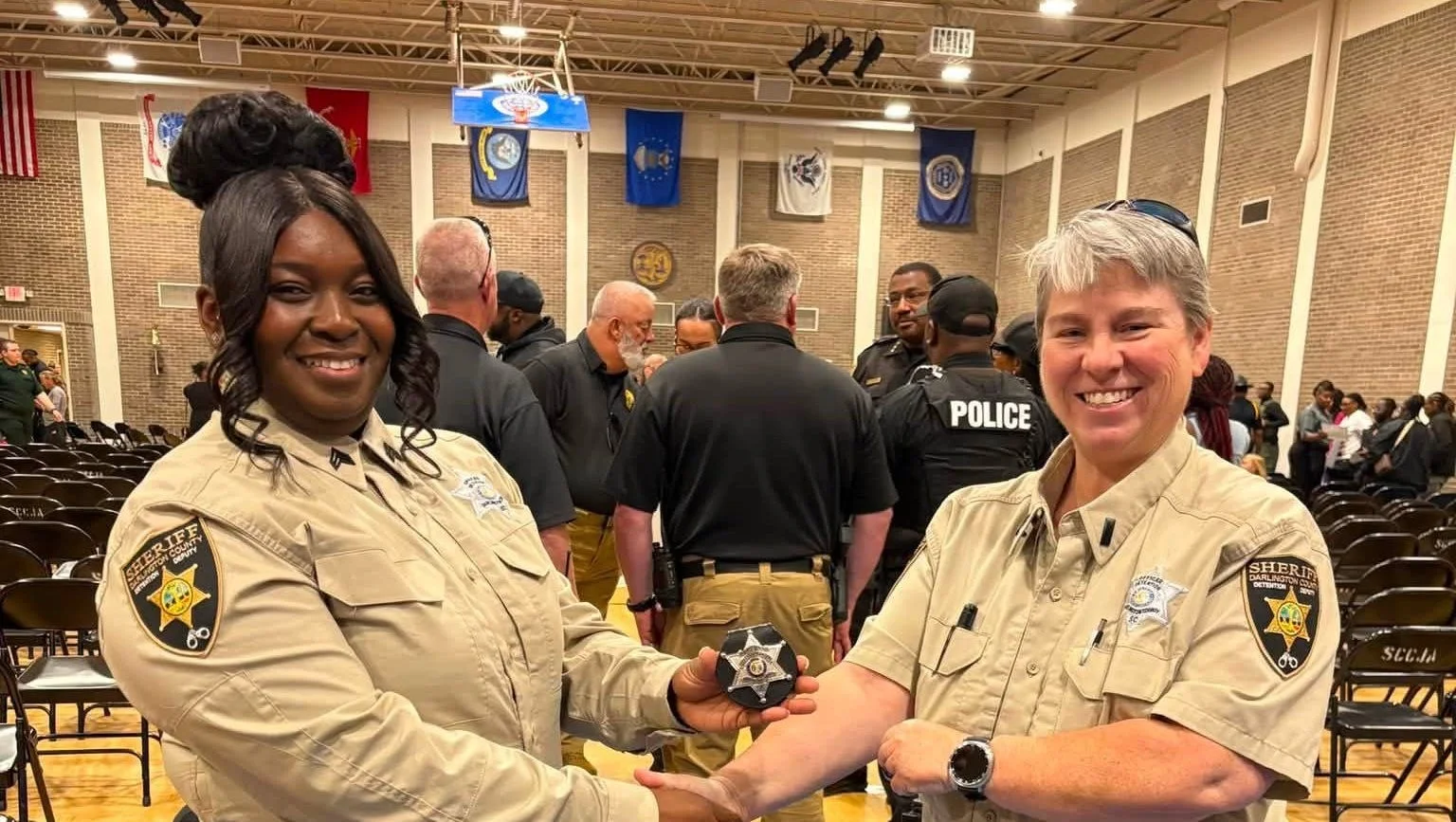
In a turn of events emphasizing the serious nature of her allegations, Grant was booked into the same detention center she once supervised, signaling the law's firm grip on its zero-tolerance approach to contraband. Her bail was set at $15,000 covering the two charges she faces. This practice of booking an officer into their own facility is a powerful statement about accountability and the lengths to which authorities will go to uphold the integrity of the institution.
Impact of Contraband on Facility Security
The sheriff's office clearly articulates its position against contraband, particularly food items, which can create security risks such as the potential concealment of weapons. While sharing food sounds benign, it could easily serve as a cover for more dangerous items. The seriousness is underscored by the sheriff's assertion that any infraction, regardless of the offender's position within the facility, will be met with severe consequences. And yet, how effectively are these policies being communicated and enforced across all levels of staff?

Trends in Misconduct at the Detention Center
Grant isn’t the first employee at the detention center to face such accusations; past incidents dating back to 2025 also involve staff breaching contraband protocols. This suggests a pattern of systemic issues within this facility. Staff training, monitoring, and the culture of adherence to protocol may need to be examined more closely. The consistent enforcement of these rules is not just a formality but a critical part of maintaining security within the facility, indicating that the sheriff’s office will follow through with legal prosecution for any violations.
Future Outlook and Implications
Despite the focus on Grant's actions, she has yet to be convicted, as legal proceedings surrounding her case are still pending. What this means for you, as someone working in this space, is that the ongoing scrutiny of prison operations might lead to changes in oversight. There's potential for heightened training requirements or policy revisions intended to prevent similar issues from arising. After all, the implications reach beyond a single dismissed officer—they touch on broader questions of security protocols and ethical behavior within correctional institutions. (and this is the part most people overlook) Keeping contraband out is about more than just policing; it's about fostering an environment where rules are respected and upheld across all levels of staff.
In a world where public trust in correctional facilities can be tenuous, incidents like this can compound negative perceptions and may lead to calls for reform. Stakeholders need to analyze and act on these patterns of misconduct if they wish to restore or enhance public confidence. If things don't change, further incidents could not only threaten the safety of the facility but also damage community relationships and funding channels in the long run.
Discussion
Sign in to join the discussion.