Cam Jones to Race Unbound on a Prototype Gravel Bike with 32-Inch Wheels
Published May 26, 2026Reads 437By Alex Hunt
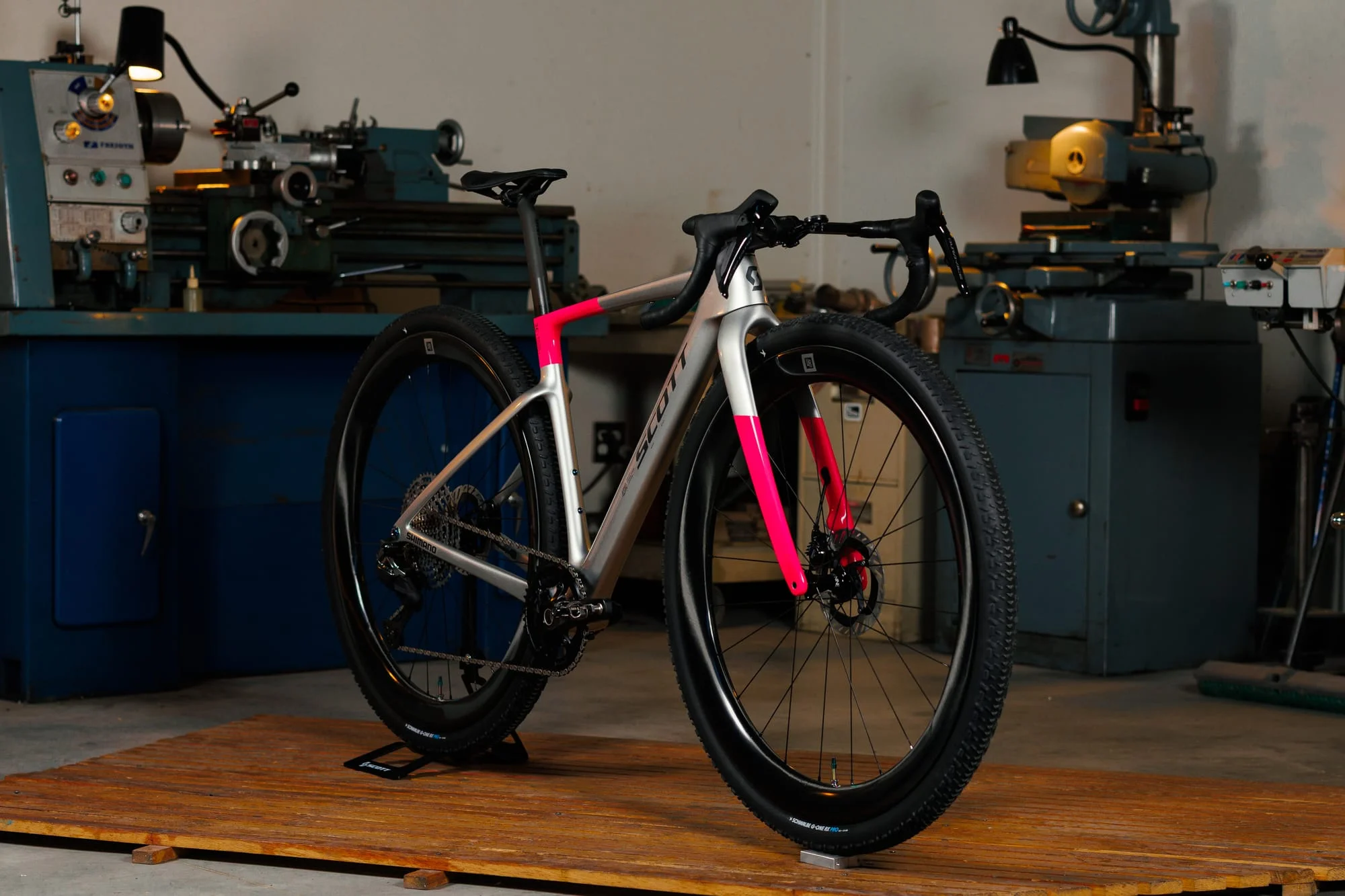
Cam Jones is set to defend his Unbound Gravel title on a prototype Scott bike featuring 32-inch wheels, a trend gaining traction in gravel cycling.
Scott Sports
The Challenge of Unbound Gravel
This weekend in Emporia, Kansas, the bike racing community is poised for an intense showdown as defending Unbound Gravel champion Cam Jones prepares to tackle the grueling 200-mile course. What makes this event particularly intriguing is that he's riding a prototype Scott gravel bike fitted with 32-inch wheels. Joining him will be Robin Gemperle, who claimed victory in last year's Tour Divide and will race in the even longer 350-mile Unbound XL. This event isn’t just about personal glory; it also reflects a broader trend in cycling, specifically regarding bike design and wheel sizes.
The Growing Interest in 32-Inch Wheels
The surge in interest around 32-inch wheels marks a notable shift in cycling dynamics. Historically, most gravel and mountain bikes have relied on 26-inch or 29-inch wheels. Yet, this emerging trend signals a willingness to explore new territory in bike engineering that traditionalists might once have deemed impractical. The conversations around these larger wheels are particularly relevant right now. They're not just appearing in prototype forms like Cam Jones’s bike; they’re inspiring discussions across the cycling community.
Most notably, the interest in 32-inch wheels gained momentum last year when Titouan Carod revealed a prototype BMC bike featuring this new setup during a race in Andorra. The competitive scene is now buzzing with intrigue about how these enhancements can reshape performance, which brings into question how adaptable mainstream cycling is to new technologies.
Exploring the Mechanics
So, what do larger wheels mean for gravel riding? The potential benefits are compelling. Larger wheels typically roll over obstacles more efficiently, thanks to their increased radius. This can be particularly beneficial for gravel riding, where rough terrain and uneven surfaces are the norm. With Cam Jones racing a prototype Scott bike, the application of 32-inch wheels could streamline his performance in both speed and comfort. This isn’t just speculation; engineers have reason to believe that larger wheels can minimize the design challenges associated with bike suspension.
Incorporating these larger wheels into gravel bikes may improve rollover performance. That's significant because gravel riding often involves unpredictable surfaces littered with rocks and roots. Improved rollover capability means a rider can maintain speed and control while handling rough terrain, which ultimately enhances safety and performance. This is particularly true for rigid frames where tire volume matters more than ever for comfort and stability.
Industry Implications
What’s happening now isn't merely a trial on race day; it suggests possible changes in the broader cycling market. If gravel riding sees a positive response to larger wheel sizes, we can anticipate manufacturers investing more heavily in this direction. New products might emerge that cater to different riding styles, and that's something both enthusiasts and professionals should keep an eye on.
However, this shift comes with its share of skepticism. First, there’s the question of compatibility. Many existing bike designs might not take well to the new wheels without significant adjustments to geometry or frame design. If you're working in this space, you’ll want to consider whether current popular models can accommodate such an increase in size without sacrificing performance.
A Broader Context: Comparing This to Historical Shifts
It’s interesting to compare this trend to previous innovations in cycling. Take disc brakes, which started gaining traction primarily in mountain biking before infiltrating road cycling and gravel bikes. This gradual transition shows a pattern that could easily repeat with the adoption of 32-inch wheels.
These earlier tech shifts illustrate how competitive dynamics often dictate consumer preferences. When top athletes showcase a new product at high-stakes events, their influence can accelerate mainstream acceptance. Yet, there’s also a history of resistance; segments of the cycling community can be slow to adapt, leading to an interesting tug-of-war between traditional designs and modern innovations.
That said, the 32-inch wheel movement in gravel riding might not be as straightforward. Gravel is still a relatively new category compared to road biking, meaning consumer tendencies might be varied. Those who prioritize speed and performance may quickly jump on board, while riders more focused on tech alternatives might be hesitant.
Future Outlook: What Lies Ahead
The implications of adopting such a shift in wheel size could redefine not just the equipment we use but also the way we approach racing and recreational riding. If these wheels prove to be advantageous in competition, it could prompt new design philosophies across manufacturers. This change may also encourage a cultural shift within the cycling community, attracting newer riders who are facing a choice between traditional and experimental options.
This all hinges on performance metrics that will emerge from events like Unbound Gravel. What this means for you as a cyclist is essential: pay attention to how Cam Jones and others fare with these large wheels. If they dominate, manufacturers may scramble to catch up, offering more options that cater to this new philosophy.
In broad strokes, the introduction of 32-inch wheels to gravel bikes not only has technical performance benefits but also poses questions about the cycling community's readiness to embrace change. The conversation around these innovations isn't likely to settle quickly, and that’s where this becomes more significant than it looks.
(And this is the part most people overlook.) If this trend takes off, we might just be witnessing the beginning of a new chapter in bike design—an evolution spurred by necessity and competition.
Discussion
Sign in to join the discussion.