Brady Harmon expresses his anguish over the tragic poisoning of his four children by their mother and grandmother, revealing plans for legal action.
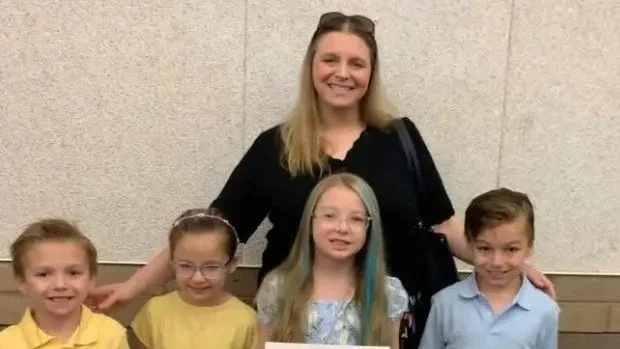
Brady Harmon, a father devastated by the tragic loss of his four children in a horrific murder-suicide, has opened up about the unimaginable suffering they endured before their deaths. His children—Harper, 13, Hudson, 11, and 10-year-old twins Gavin and Gracelynn—were discovered dead on June 23 in their Mechanicville, New York, home alongside their mother, Sarah Myers, and grandmother, Amy Steadman.
Unraveling the Tragedy
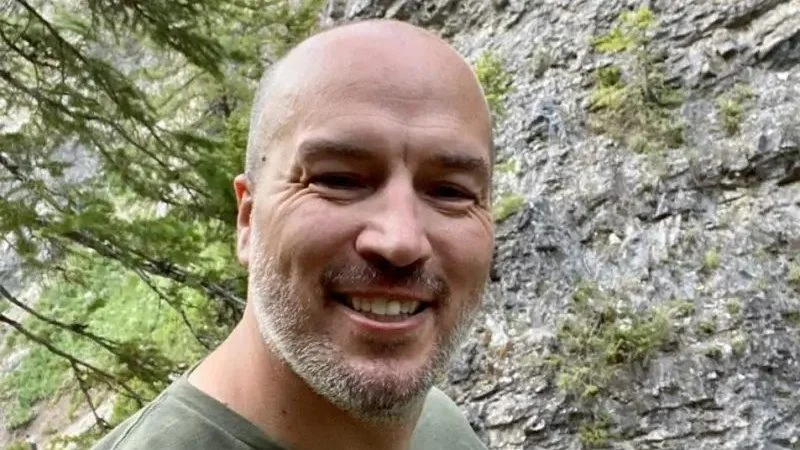
This tragedy has sent shockwaves through the local community and beyond. Harmon, who anticipated spending the summer with his children in Utah, has learned that toxicology reports revealed a horrifying reality: his kids were poisoned with a blend of over-the-counter allergy medications and kratom, a psychoactive substance notorious for mimicking opioid effects. In a poignant Facebook post, he captured the rawness of his anguish, saying, ‘I will never understand how two people who claimed to love and care about these children could deliberately cause them such unimaginable harm.’ For many observers, this is more than just a personal account; it exposes deep-seated issues surrounding mental health and family dynamics.
Seeking Justice
As more details emerged, Harmon decided to relocate to New York with intentions to take legal action against various authorities, seeking damages potentially exceeding $400 million. The gravity of his allegations stems from a perceived failure to act on a history of abuse that he claims his children suffered at the hands of Myers and Steadman. Harmon has voiced suspicions that the two women exhibited signs consistent with Munchausen's syndrome by proxy. This mental health condition leads caregivers to intentionally harm those they care for, often to gain attention or sympathy from others. The implications of this disorder, along with the legal action, raise significant questions about accountability in custodial care.
Toxicology and Evidence
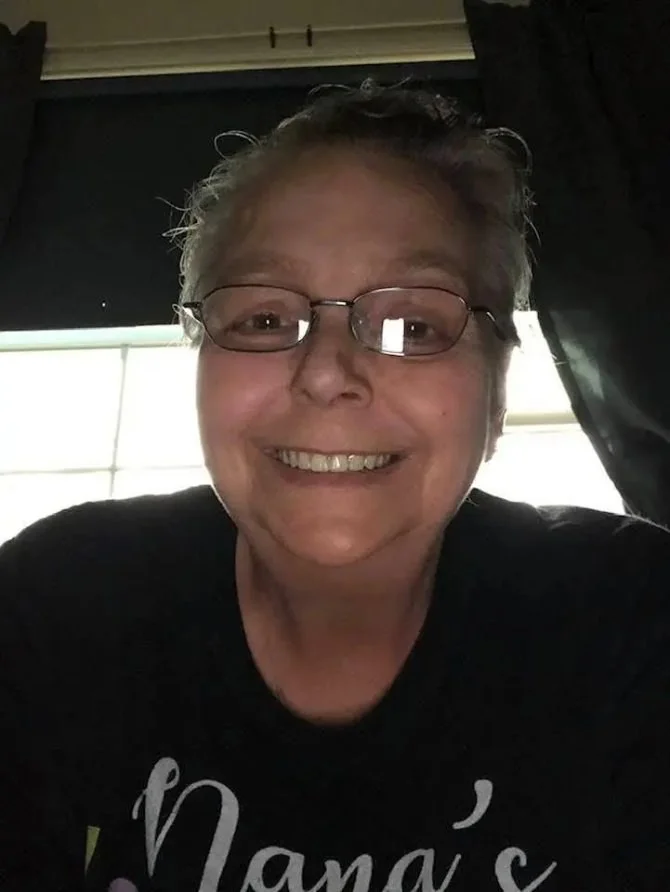
The Mechanicville Police Department has confirmed that therapeutic levels of diphenhydramine, a common allergy medication, were present in all six deceased individuals, alongside mitragynine, a primary compound in kratom found in four of the victims. The toxicology reports pointed to a deliberate act, as three of the children succumbed to poisoning while their brother Gavin displayed defensive wounds from a stabbing. The chilling nature of the evidence compels the community to grapple with the alarming reality of familial violence that can erupt in seemingly safe spaces. Here’s the thing: it’s not just about the individual actions of the perpetrators but also about the systemic failings that let such situations spiral out of control.
A troubling handwritten note from Steadman was discovered at the scene, asserting their belief that killing the children was the only way to keep them from harm. This correspondence has further exacerbated the grief endured by the Harmon family. The local police chief emphasized that while the authors of the note may have rationalized their actions, the intentional murder of children cannot be justified as a protective measure. This statement raises further ethical questions: how do we balance mental illness with accountability in such extreme circumstances?
Timeline of Events
The timeline leading to this tragedy is unsettling. Harmon raised concerns after losing contact with his children during a scheduled video call on June 13, prompting a welfare check from neighbors who hadn’t heard from them in days. Tragically, this investigation revealed that the events unfolded just days before the children were set to reunite with Harmon, whom they hadn’t seen since 2019. Caught in a bitter custody dispute with Myers, the case highlights the severe ramifications that legal battles can impose on vulnerable children. You can't help but wonder: could intervention have changed the outcome?
Claims of Domestic Violence
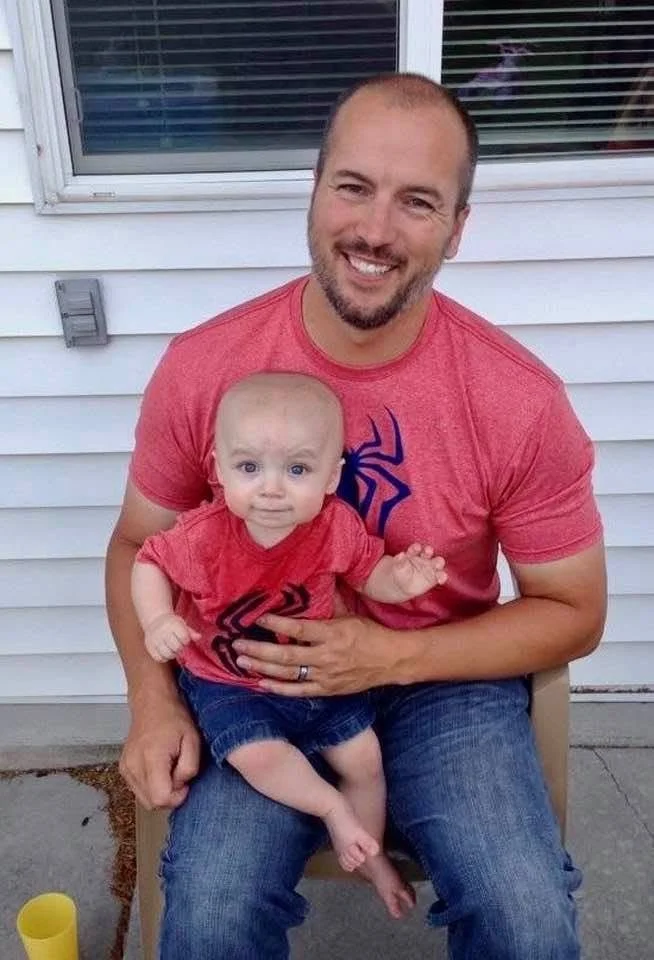
As the investigation continues, authorities have faced challenges in verifying claims made by Myers regarding domestic violence. Having expressed dissatisfaction with the Utah family court system on social media, she alleged threats to her and her children’s safety. Yet the police emphasized the difficulty in establishing the credibility of her claims. The inability to confirm these allegations raises troubling questions about how domestic violence claims are assessed and the criteria for intervention. This situation shines a spotlight on systemic issues within child protection services and the judicial system. (And this is the part most people overlook.) How often do we dismiss claims until it's too late?
Looking Forward: Implications and Accountability
Brady Harmon’s heartache serves as a profound reminder of the complexities surrounding familial relationships, mental illness, and the responsibility of custodial care. With his legal actions on the horizon, there’s a glimmer of hope that accountability will emerge. However, this tragic case offers a chance for a thorough examination of systemic failures that may have contributed to this heartbreaking outcome. If you're working in this space—whether in policy, law, or mental health—the implications are significant. The narrative doesn’t just stop with a family’s loss; it extends into discussions about understanding and preventing such tragedies in the future.
Discussion
Sign in to join the discussion.