Dave Wiens discusses his Leadville 100 victories, advocacy for trail preservation, and the modern challenges facing the iconic race.
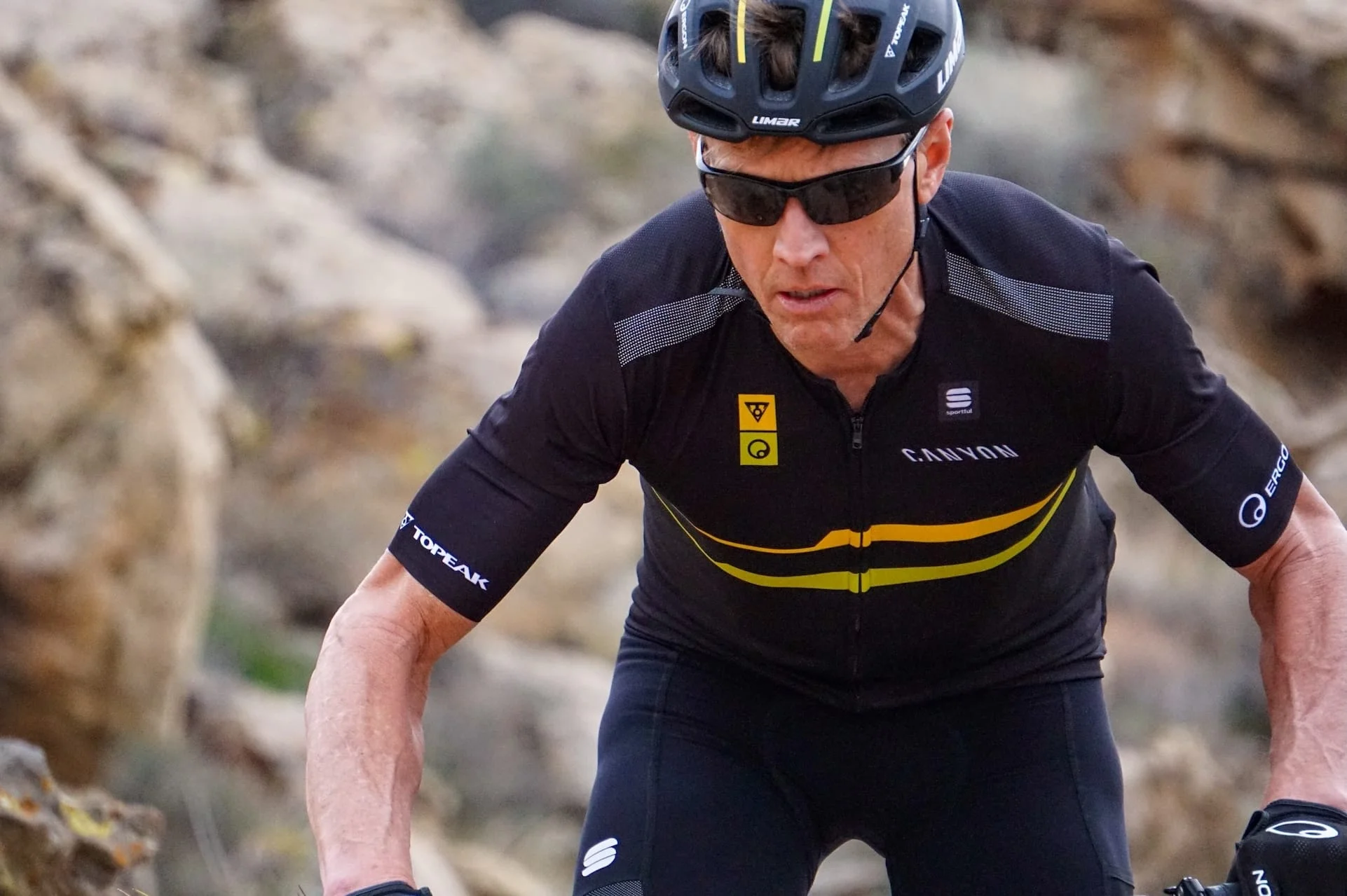
The Legacy of Dave Wiens in Mountain Biking
Before the recent successes of riders like Keegan Swenson, the Leadville 100 was historically dominated by a single name: Dave Wiens. His six victories from 2003 to 2008 aren’t just numbers—they're the cornerstone of a legacy that continues to resonate within mountain biking circles. Wiens’s most notable achievement came in 2008, where he outpaced none other than Lance Armstrong, an event that both shocked and thrilled cycling fans. This competition not only highlighted Wiens's talent but also drew attention to the Leadville 100, positioning it as a marquee event in the mountain biking calendar.
This race has transcended its original boundaries, evolving into an arena where legends are born. However, not merely a product of his race results, Wiens's enduring influence stems from his deep-rooted connection to the mountain biking community. His passion for this sport has fueled a career that’s intertwined with advocacy and education about cycling and trail preservation.
A Champion’s Commitment Beyond Racing
After stepping away from competitive racing, Wiens’s commitment to mountain biking didn't wane. He founded Gunnison Trails, emphasizing trail access and preservation for over a decade. This organization works to ensure that cycling remains accessible and that trails are sustainably maintained. This isn't just a job for him; it’s a cause that speaks to the heart of outdoor recreational ethics.
In 2017, he took on the role of executive director for the International Mountain Bicycling Association (IMBA), where he continues to advocate nationwide for the rights of cyclists and preservation of natural trails. This transition from athlete to advocate isn't uncommon in professional sports, but Wiens has distinguished himself through his enduring dedication. His leadership at IMBA has been pivotal in advancing initiatives around sustainable cycling and fostering community engagement across various demographics.
Reflections on the Leadville 100
A recent conversation with Wiens from his home in Gunnison, Colorado, revealed insights that are both nostalgic and forward-thinking as the Leadville 100 approaches its 2026 edition. Wiens reflected on how his journey with the race began shortly after moving to the area in the late ’80s. His recollections are not only personal anecdotes; they encapsulate the evolution of the Leadville 100 from its modest origins to being a highlight in extreme sports.
“I started racing with a solid crew here in Gunnison,” he recounted, setting the scene for a time when adventure cycling was less structured and more about community and camaraderie. One of his early experiences racing at Leadville highlighted the race's initial focus on lesser-known trails—an aspect that speaks to the grassroots level from which mountain biking has grown.
Confronting New Challenges
As the Leadville 100 evolves, it faces challenges that demand flexibility and resilience from participants and organizers alike. Recent environmental factors, such as wildfires, forced significant changes to the course—something that riders must adapt to quickly. This year’s race is marked by new routes, meaning that traditional benchmarks won’t apply as easily. The ability to adjust not only about the course layout but also regarding aspects like air quality remains paramount. Riders and organizers are up against more than just each other; they’re dealing with nature’s unpredictability.
(And this is the part most people overlook) Wiens's insights reveal that his victories were not only about racing but also about cultivating a community that values sustainable practices. His narrative paints a picture of an advocate who understands that today's cyclists are stewards of the trails for future generations.
Implications for the Future of Mountain Biking
Looking ahead, what does Wiens’s legacy mean for the future of mountain biking? As new generations of cyclists emerge, they'll face a variety of challenges related to environmental sustainability and community engagement. The movement toward responsible trail management, spearheaded by figures like Wiens, sets a precedent for how cyclists interact with their environment.
Changes in race formats and route selections may become more commonplace as climate change continues to alter landscapes. Riders will need to focus on adaptability, but there's also an opportunity for growth within the sport to emphasize education on environmental issues and the importance of preserving cycling trails. This goes beyond riding; it’s about fostering a culture that respects nature while enjoying its offerings.
In an industry often driven by competition and performance metrics, it’s refreshing to see someone like Wiens emphasizing advocacy and sustainability. If you're working in this space, consider how these values can enhance the mountain biking experience, not just for competitive racers but for casual cyclists as well. Riders today are relying on the groundwork laid by champions like Wiens to guide their choices and actions. The path forward may require more than just pedal power; it demands intuition, partner collaboration, and community involvement.
Discussion
Sign in to join the discussion.