Justin Ishbia shares insights on his plans for the White Sox and potential changes in the broadcasting team, emphasizing key property acquisitions.
Context of Ishbia's Involvement
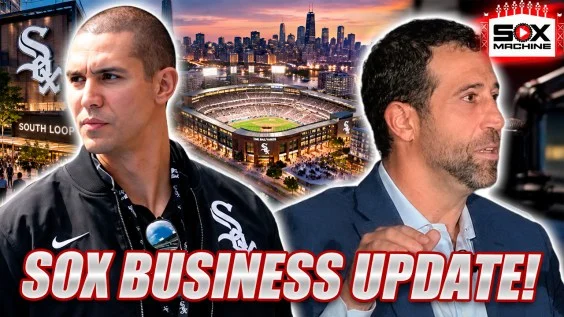
Justin Ishbia's ascension to a major role within the Chicago White Sox is more than just a management change; it signals a significant shift in the team's operational philosophy and vision for the future. With a background in finance and real estate, Ishbia is well-positioned to implement strategies aimed at revitalizing the team and its community engagement, aspects heavily focused on in professional sports these days. His remarks at the recent reveal of The Railyards renderings underscore a commitment not just to the team, but to the district's economic and social revitalization.
It's also important to see this in light of the recent pressures on sporting franchises, which face increasing scrutiny regarding their role in urban development and community relations. When teams acquire land or invest in surrounding areas, they're often expected to provide tangible benefits to the local population. Ishbia's plans potentially align with these expectations. But the question remains: how will he balance profitability with social responsibility?
The Railyards and Urban Development
The Railyards development plan is central to a larger conversation about urban renewal in Chicago. By enlisting private investment in what was once a neglected industrial area, stakeholders hope to create not just a new venue for baseball, but a social hub that includes retail, parks, and housing. Projects like this often hinge on public-private partnerships, showcasing a blend of community-centric planning with the profit-driven motives of private investors.
This is not an isolated case. Various cities have seen sports franchises take the lead in developing urban areas, often with mixed results. While attracting new residents and businesses is always a goal, criticisms arise when the interests of the teams overshadow community needs. This partnership with Ishbia suggests that the White Sox aim to strike a balance, but skepticism remains. Will the benefits truly extend to the community, or will they be secondary to profit margins?
Operational Changes: Schriffen's Possible Departure
Shifting gears from infrastructure to content, the potential departure of John Schriffen from the TV booth has ruffled some feathers among White Sox fans. Schriffen has been a recognizable voice for the franchise, and his exit may well alter team coverage. The Chicago Sun-Times has reported on this changing dynamic, highlighting a lack of clarity concerning who might take over this crucial role. The stark reality is that the identity of a sports team is also shaped through its media representation.
In the competitive field of sports broadcasting, finding a replacement isn't just about filling a vacancy; it's about choosing someone who resonates with the audience, understands the team culture, and can maintain viewer engagement. Options are typically varied, ranging from seasoned professionals to fresh talents aiming to break into the industry. Ishbia’s regime could leverage this as an opportunity not just to renew the message, but also to diversify the voices representing the franchise.
Amtrak Developments and Lot G Concerns
The recent developments concerning Amtrak's plans raise concerns that extend beyond just the operational aspects of the team. Lot G at Rate Field, crucial for fan access and logistics, could be impacted, potentially affecting game-day experiences. There's a nuanced interplay here: as transportation infrastructure evolves, so too does access to and from sporting venues. If Lot G’s functionality is compromised, it could deter attendance, impacting revenue and fan engagement.
This isn't the first time such issues have cropped up. Similar cities have faced challenges balancing transportation advancements with the maintenance of fan experiences. Chicago must tread carefully. Eyes will be on how Ishbia engages with both the city planners and the Amtrak developments, especially to maintain the seamless flow of foot traffic that is critical on game nights.
Implications for White Sox and Chicago Sports Culture
What we're witnessing is more than an administrative turnover; it's a pivotal moment for the White Sox and a reflection of shifting priorities in professional sports. Ishbia's plans could usher in a new era—an era where the lines between sports, community welfare, and urban development blur. The fans and the community might demand more involvement in these transitions, making it imperative for the team to articulate a vision that resonates with them.
For those working within sports management or urban planning, these moves could serve as a case study. If you’re working in this space, it may be a chance to redefine traditional roles and expectations: stakeholders must engage authentically with their communities. Going beyond the field experience to integrate team initiatives with city growth can genuinely benefit both interests.
As Ishbia pushes forward with these plans, scrutiny from fans, analysts, and civic leaders will only intensify. The unfolding narrative will likely set precedents for how sports franchises operate within their urban contexts in the years to come. At best, it might cultivate a lasting bond between the White Sox and the residents of Chicago; at worst, it could sow further distrust if promises go unfilled.
Watch the Episode
The post Podcast: White Sox Business with Ishbia plans and possible Schriffen replacements appeared first on Sox Machine.
Discussion
Sign in to join the discussion.