A pre-race injury led to unexpected insights and opportunities, reshaping my approach to training and my cycling career.
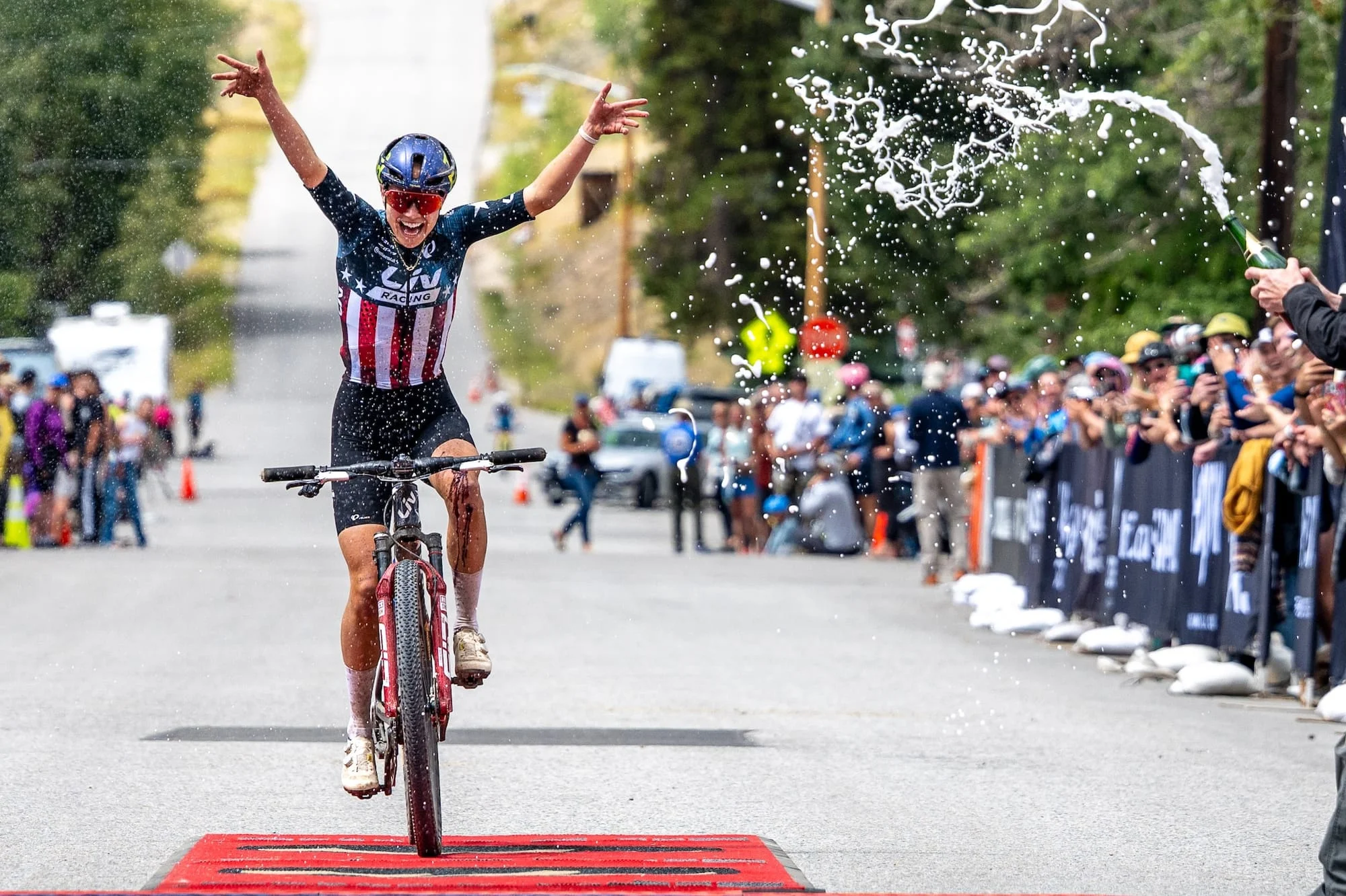
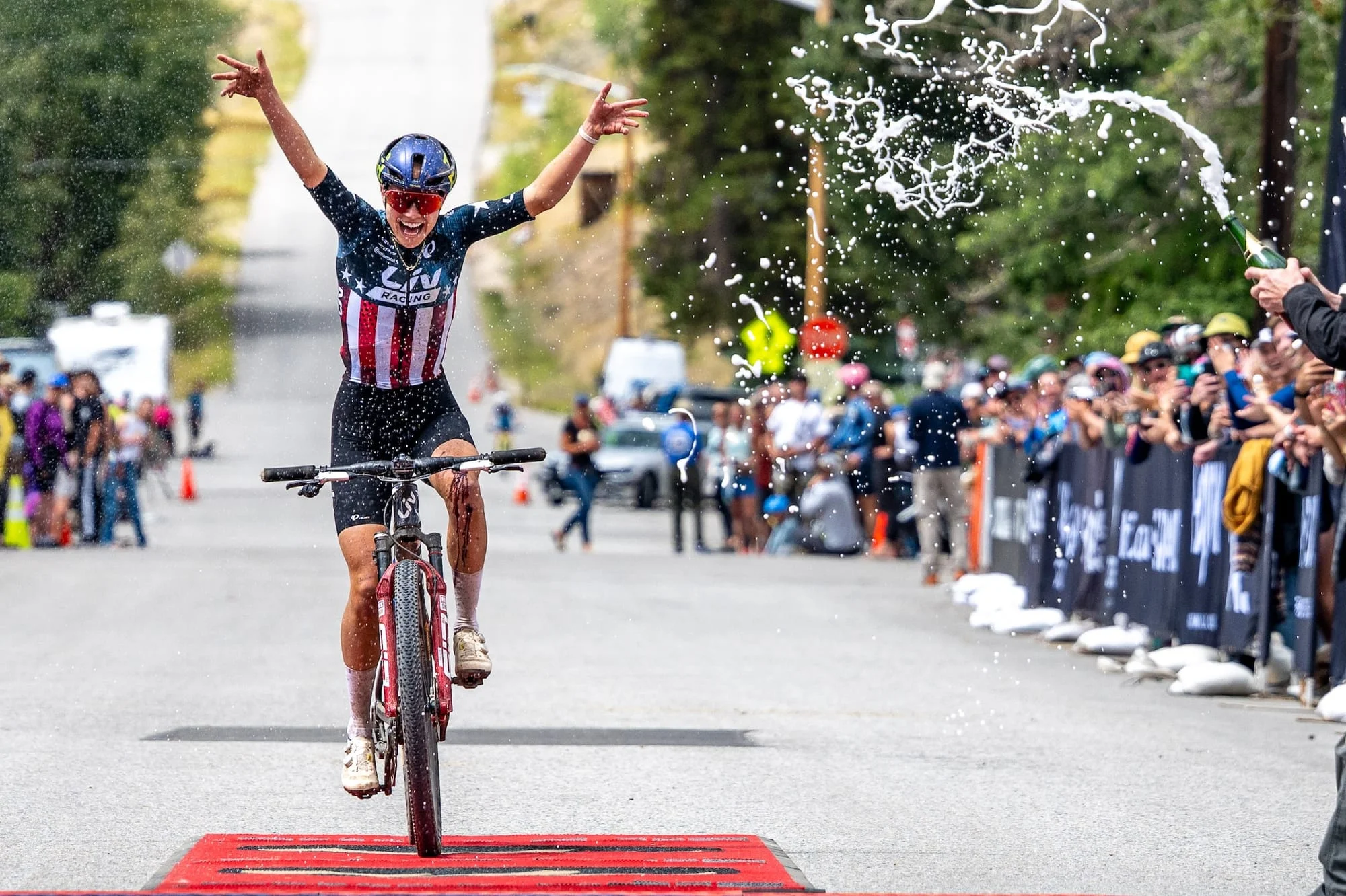
The Build-Up to Cape Epic
The Cape Epic is often referred to as the “Tour de France of mountain biking.” Held in South Africa, this challenge is renowned for its unrelinquished demands on both the body and the spirit. Racers can expect not just grueling terrain but also a test of endurance that lasts eight relentless days. Doing this alongside a world champion like Kate Courtney was bound to be a dream come true for any cyclist. I was on the edge of what could have been the most exhilarating moment of my career, gearing up for a journey that takes months, even years, of preparation.
The Accident
Then came that fateful day. A visit to the grocery store—something innocuous and ordinary—turned catastrophic. A bump in the road sent my grocery bag tumbling, leading to a loss of control over my scooter, and within moments, I fractured my elbow. This injury was not just painful; it felt like a deep betrayal from my own body, especially when I had invested so much to prepare for this competition. You typically build your training and mental focus around a singular goal—an experience I felt slipping away in real time.
The Aftermath of Injury
Suddenly, what I had anticipated as a highlight of my cycling career transformed into a nightmare scenario. I had traveled halfway around the globe, and my hopes of competing in the Cape Epic disintegrated with each pulse of pain radiating from my elbow. More than just a physical setback, this injury jeopardized my entire 2026 season—my competitive identity felt threatened.
But here’s the twist: sometimes moments of misfortune lead to unforeseen revelations. You may think that such a setback would only cement failure, but often, they lay the groundwork for greater understandings and develop resilience. In my case, this injury prompted me to reassess my physical health and training regimen in a profound way.
Reimagining My Training
Prior to the accident, I had been grappling with persistent pain in my right leg, which I foolishly dismissed as a regular occurrence, akin to shin splints. In hindsight, this was a classic example of ignoring the signals your body sends you—an all-too-common scenario among athletes often driven by ambition. As I continued to push through the discomfort, the situation worsened. Just days before my trip to the Cape Epic, while in Tucson for a final training camp, it became clear I needed professional help. A casual encounter with physical therapist Will Barclay would be a pivotal moment in this chain of events.
Will’s insight was eye-opening. Instead of accepting my initial self-diagnosis, he analyzed my situation with a more informed perspective. “Melisa, this isn't a shin splint,” he told me, a comment that signaled not just a correction but a shift in focus. Understanding the real issue was the first step towards addressing it. This recognition would have long-lasting implications for how I approached my training and recovery.
Finding Opportunity in Adversity
Ultimately, my journey post-injury forced me into a position of reflection and growth. When I look back, it’s clear that this time of enforced recovery was crucial in shifting my training priorities away from sheer volume and intensity. Instead, I began to appreciate the subtleties of recovery, strength training, and even mental health—a trifecta often overlooked in the high-stakes world of competitive cycling.
This period of forced rest has transformed my perspective. The notion that breaking my elbow somehow "saved" my cycling career sounds paradoxical, but embracing this injury instead of viewing it solely as a setback led me to explore different facets of my athleticism. Rest gave me a chance to address leg pain that could have sidelined me longer-term, and thus, I began to see the silver lining.
The Significance of the Experience
If you’re working in this space or follow athletics, this narrative might feel all too familiar. This isn't just a story about cycling or a physical injury; it’s about resilience, adaptability, and the importance of listening to one’s body. The truth is that injuries, while detrimental, can also create pathways for recovery that enhance performance. The failure to recognize weak spots could lead to more serious injuries down the line.
And yet, you have to wonder what young athletes could take from this story. Are we equipped to educate rising talents not just to train harder but to train smarter? More athletes need to learn that recovery is part of the journey—as critical as any physical preparation.
Future Outlook
What comes next in my cycling career remains to be seen. While the Cape Epic is now a chapter closed, my approach to training has shifted dramatically. Every cyclist's future isn't just about sprinting towards the finish line; it's about sustainable career longevity and understanding the intersections between effort, recovery, and overall health. My experience serves as a reminder that setbacks can serve as setups for more significant breakthroughs down the line.
This might be a very personal narrative, but the implications extend far beyond just my story. If there's anything this situation has reinforced, it's that every cloud has its silver lining, and sometimes that lining takes the form of an unexpected injury that reorients your focus.
So, the next time life throws you a curveball—a fracture, a loss, or any obstacle—remember that perhaps it could lead you to a better, healthier path ahead.
Discussion
Sign in to join the discussion.