As the Life Time Grand Prix enters its fifth year, insights reveal critical shifts in gravel racing and future opportunities for athletes.
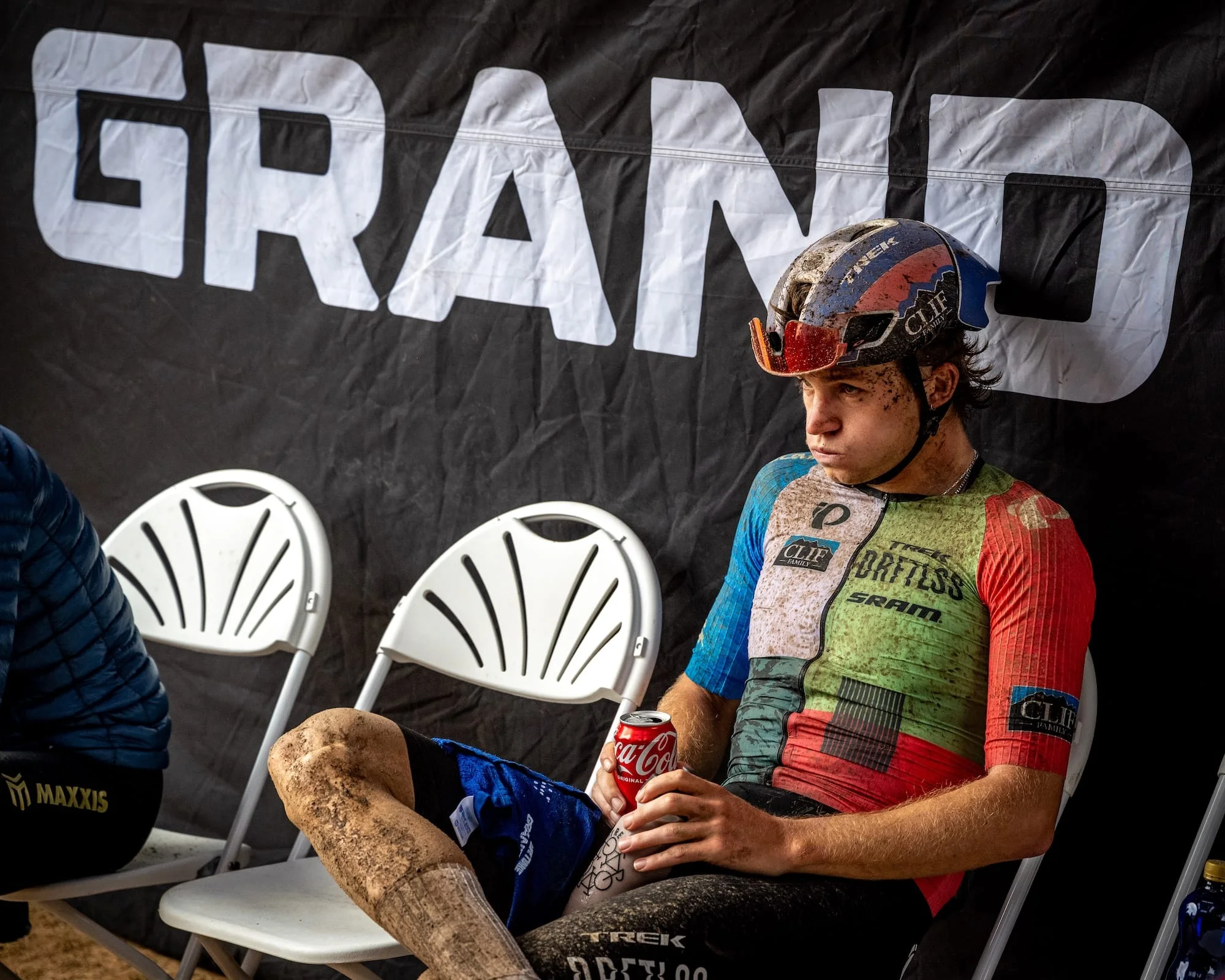
Transforming the Gravel Racing Scene
Reflect on a decade ago when Ted King and Rebecca Rusch clinched victory at the 2016 Unbound Gravel. Those names might ring a bell, but they likely stand out against a backdrop of less familiar competitors for today's gravel racing enthusiasts. Back then, aero bars were commonplace, and gravel racing was still a blend of endurance and adventure, with little room for professional aspirations. The sport was in its infancy, where riders treated events more like long rides with friends rather than as competitive races. Most viable paths for competitive cyclists involved road or cross-country mountain biking. These routes often necessitated time spent overseas, competing against international talents, which not only required substantial financial investment but also immense dedication.
A Professional Path in Gravel
Fast forward to the present: gravel and marathon mountain bike racing have evolved significantly, particularly in the U.S. What once felt like a niche pursuit has blossomed into a legitimate career path for many. While crafting a career in this domain poses challenges, athletes now have a genuine opportunity to thrive. This shift can be tied to the growing interest in gravel races and the influx of sponsorships geared toward this segment. Success in the field demands not only speed but also savvy business skills to engage sponsors and cultivate a strong media presence. Riders must now think like entrepreneurs, strategically positioning themselves to attract brand partnerships and engage with a broader fan base on social media. If you're working in this space, focusing on marketing yourself as an athlete could hand you an edge that wasn't available a decade ago.
The Impact of Life Time and the Grand Prix
The introduction of the Life Time Grand Prix in 2022 arguably accelerated changes that were already underway in gravel racing. This series has tried to create an engaging platform that elevates the profile of gravel racing. Life Time aims to foster a sustainable series, responding to the waning popularity of road cycling. Their goal involves not just boosting viewership but also nurturing new fans of North American cycling. By leveraging popular events, they can draw in diverse demographics, including those who might not have considered competitive cycling. The implications here are significant—cater to the fan experience and you might just invigorate a declining sport.
Insights from Leadership
Kimo Seymour, Life Time's President of Events and Media, asserts that the Grand Prix has created a platform for existing riders and offers young competitors something to aspire toward. This framework not only promotes participation but also aims to professionalize the sport. As he puts it, “I think we've created something that's given existing riders, but even more importantly younger riders, something to aspire to, something to look forward to.” Seymour's perspective encapsulates a larger shift—recognizing that fostering talent and interest at the grassroots level can bridge the gap between amateur and professional racing. And yet, despite all the optimism, the existing challenges can't be ignored.
Looking Ahead
As the Grand Prix wraps up its fifth year, with the Big Sugar Gravel event approaching, the series stands at a crucial intersection. Issues raised by riders—like course safety, sponsorship distribution, and the environmental impact of events—along with insights from Seymour, will play a significant role in determining its trajectory and development in the years to come. It's also a matter of sustaining interest beyond the current wave of enthusiasm. The cycle racing audience is fickle, and a timely pivot in organizing and promoting gravel events might just ensure long-term viability. As viewers, enthusiasts, and participants, we should keep an eye on how this will all unfold. It certainly affects how races will be structured in the future, engaging both new and old audiences alike.
Implications for the Future of Cycling
The expansion of gravel racing has more than just personal implications for individual athletes. It signals a shift in how cycling is perceived and enjoyed across demographics. With events like the Life Time Grand Prix pushing gravel to the forefront, there’s a burgeoning recognition of the sport's potential to attract not just competitors but also casual riders and families looking for weekend adventures. What this means for you, the casual observer or participant, is that the landscape is not just transforming for professional cyclists. It’s benefiting recreational cyclists too. Expect more community engagement, local races, and even family-friendly options as this sector of cycling continues to evolve. The growth of gravel racing might just redefine what it means to participate in cycling, making it a more inclusive and accessible sport for all.
Discussion
Sign in to join the discussion.