Rong Yuan's years-long ordeal after her colleague poisoned her gives insight into lasting health impacts and legal frustrations in the face of dismissed charges.
A Disturbing Discovery
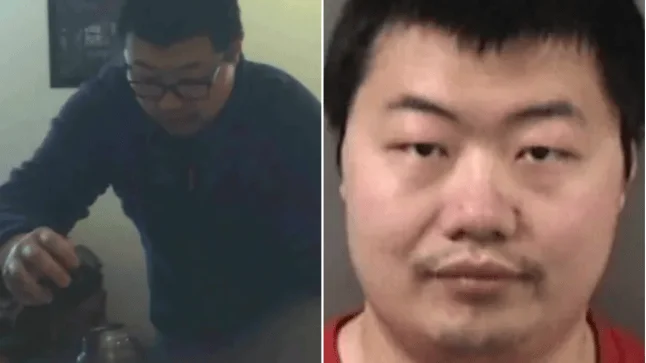
An engineer, Rong Yuan, continues to deal with the emotional and physical fallout from a shocking betrayal by her colleague. The unsettling discovery that David Xu poisoned her water bottle is not just an isolated incident; it’s a grim testament to how workplace dynamics can sour into seriously malicious actions. It wasn’t until Yuan set up a hidden camera that the truth came into focus. Watching the footage revealed Xu pouring a toxic substance into her drink—later identified as cadmium—was a moment of disbelief that shattered her sense of safety.
Health Consequences and Family Impact
The effects of the poisoning have been catastrophic for Yuan and her family. Both she and her parents tested positive for cadmium, a toxic metal linked to various health issues. Yuan's physical symptoms began surfacing in 2017; she experienced vomiting and hair loss, with these health problems escalating over time. Achieving a clear diagnosis took more than two years filled with medical consultations and uncertainty, illustrating the challenges many victims face in finding not just treatment but acknowledgment of their suffering. Many who endure similar toxic exposure harbor not just physical but emotional scars, often struggling with the ramifications long after the initial incident. And this is the part most people overlook: the toll goes beyond the physical symptoms and impacts the psyche.
Legal Proceedings and Controversial Plea Deal
In 2019, the legal process began for Xu, and initial charges included premeditated attempted murder, an indication of the gravity of his actions. However, the case took a sharp turn when a plea bargain led to a dramatically reduced sentence, where Xu instead faced just a conviction for poisoning, resulting in two years of probation. This leniency stirred significant public outcry, and even the presiding judge commented on the "extremely generous" nature of the deal. Reactions reflected a growing frustration with the justice system's seemingly systematic underestimation of crimes that inflict deep psychological and physical harm.
Recent Developments: Expungement Granted
As of October 12, a judge approved Xu's request to have his felony conviction expunged, igniting a wave of backlash from those who followed the case. Expungement doesn’t erase the record entirely; it merely offers Xu a reprieve. Many, including Yuan, felt this decision undermined the serious nature of his actions, reinforcing a perception that the justice system often favors perpetrators over victims. This situation raises critical questions about accountability mechanisms in place to protect victims and whether they are adequate in serving justice.
The Aftermath: Yuan's Continued Struggles
Despite her ongoing health challenges, Yuan remains steadfast in her quest to share her story. Although she is currently working part-time, the ordeal continues to cast a long shadow over her life. From the initial effects of poisoning to navigating the health system, her experience highlights the often undiscussed reality that recovery isn't just physical; it includes emotional healing as well. These lingering impacts can take years to resolve, and for many victims, the path to reclaiming their life is arduous and fraught with obstacles.
A Personal Fight for Accountability
The aftermath of this ordeal has propelled Yuan into a role of public advocate. She reflects on the manipulation and discouragement she faced from Xu throughout their time working together, which only deepens the trauma. These dynamics raise compelling questions about workplace ethics and the responsibility of employers to foster a safe environment. For Yuan, this isn’t just about her health; it’s a fight against a toxic culture that allowed such behavior to exist unchecked. What this means for you, if you’re working in this space, is the necessity to advocate for transparency and accountability, not just within your company, but in society as a whole.
Insights on the Justice System
Yuan is not only focused on personal recovery; she's also demanding accountability from the justice system. She sought restitution, initially aiming for $500,000, but ultimately received a mere $7,000. This substantial gap emphasizes both her tangible and intangible losses, reflecting the systemic shortcomings that often leave victims feeling unheard. The disparity underscores a broader issue within the legal framework that fails to adequately compensate victims of severe crimes like poisoning, which have long-lasting health and psychological repercussions.
Looking Ahead
As Yuan navigates the ongoing health implications of the poisoning, she wrestles with a profound sense of betrayal from the very system designed to protect her. The act of deliberate poisoning is far from spontaneous; it involves calculation and intent, attributes that should weigh heavily in legal considerations. Yet, the dismissal of Xu's conviction echoes the frustrations many victims share: justice is often elusive, leaving them with a sense of vulnerability. Yuan's experience serves as a reminder of the uphill battle many face in seeking true accountability, highlighting the need for systemic changes that prioritize victim rights and support. This struggle touches an even larger context: the necessity for societal acknowledgment and reform surrounding the treatment of victims in various circumstances.
Discussion
Sign in to join the discussion.