Jamaal Howard's execution in Texas marks the first use of lethal injection since Christa Pike's botched attempt, raising questions about the procedures involved.
A New Chapter in Lethal Injection Executions
Texas recently executed Jamaal Howard, a significant event marking the first death row inmate to face lethal injection since the controversial botched execution of Christa Pike. This execution took place on October 7, 2026, in Huntsville, Texas, amidst growing unease surrounding the method. The anxiety stemmed from Pike's experience, which left her on a ventilator, highlighting concerns about the reliability and humanity of capital punishment in the state.
Execution Details and Reactions
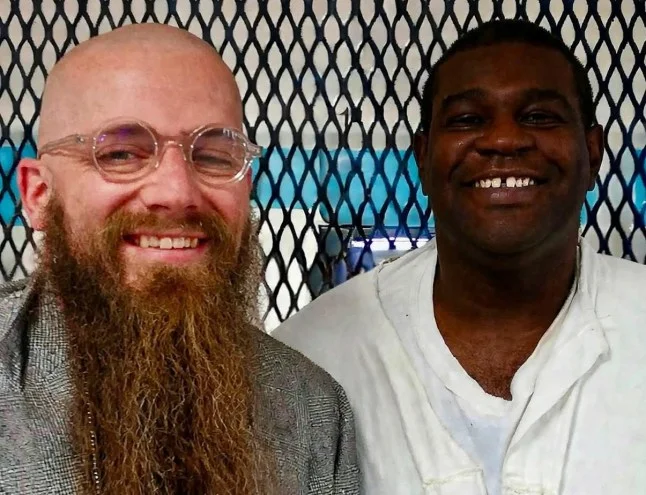
Dr. Jeff Hood, Howard's spiritual advisor, noted the palpable tension in the execution chamber, suggesting that the atmosphere was charged with apprehension. Personnel appeared extra cautious, as if they were anticipating the worst. “They were clearly nervous, expecting something to go wrong,” he remarked, illuminating the emotional undercurrents for all involved. This sentiment was echoed by many in the room, reflecting a deep-seated trepidation about the integrity of the procedure after the Pike incident.
The actual execution unfolded with distressing visuals. Howard showed signs of struggle; he began to snore and snort, leading to a prolonged and unsettling end. “Around 20 minutes later he had died. The room breathed a sigh of relief after he died,” Hood described, tapping into a disquieting aspect of executions: the relief felt by witnesses at the conclusion, rather than at any sense of justice served. It raises an unsettling question about the moral fabric of those witnessing such events—are they celebrating justice or simply relieved the ordeal is over? That's a heavy weight to carry.
Background on Jamaal Howard
At 46, Howard’s past is riddled with tragedy and controversy, having been on death row since 2001 for his conviction in the 2000 murder of Vicky Swartout, a petrol station worker. Prosecutors painted him as remorseless, seizing on details that showed he stole cigarettes and cash while Swartout lay critically injured. This portrayal was compelling in court, but it obscures deeper issues regarding Howard's mental state. His intellectual capacity came under scrutiny; he had an IQ of 65, below the threshold commonly used to define intellectual disability.
Add to this the fact that Howard sustained a traumatic brain injury at 17. He often mentioned this injury without fully grasping its implications, complicating perceptions of his culpability. His legal team made a case for his mental incapacity, arguing that Howard lacked the understanding to truly grasp the reality of his impending execution. Cognitive challenges continued to haunt him, even as he confronted death, raising serious concerns about whether justice was truly being served in his case.
Christa Pike's Continuing Ordeal
Christa Pike's botched execution looms large over discussions about lethal injections in the U.S. The fallout from her experience has prompted scrutiny of the entire execution process. Her lawyers reported that she is now in a “foggy state” but retains the ability to communicate in basic terms. This cognitive fog complicates the issue further—Pike has no memory of the execution attempt, raising ethical questions about her treatment and the mental integrity involved in conducting executions.
As her case remains unresolved, the uncertainty of any future execution attempts places additional strain on all stakeholders. The ethical implications surrounding her story amplify discussions about capital punishment's treatment of individuals with compromised mental states. This isn't just about legal procedures; it’s about what is humane and just in the eyes of society.
Reflections on Execution Practices
Howard's execution and Pike's botched attempt create a stark contrast that reveals the chaotic reality of capital punishment in America. While Howard’s execution was technically successful, it raises profound ethical questions about the procedures involved. The execution culminated in a moment that should have been reflective but instead yielded relief among those present. This dichotomy is troubling—examination of the humanity involved in such acts is often overshadowed by procedural success or failure.
Dr. Hood’s pointed observations highlight critical areas of concern regarding the mental and emotional toll executions place on all parties, including execution personnel. “It is evil and it is disturbing,” he stated, calling for a reassessment of these practices. As ongoing discussions ensue, the implications of Howard's execution and Pike's struggle cast long shadows on the future applications of the death penalty in the United States—what does this mean for society's moral compass? How can we reconcile these actions with our principles of justice?
Implications for the Future of Capital Punishment
There's a narrative brewing around capital punishment that deserves attention. The ethical quandaries posed by recent events indicate a possible reckoning for the system as a whole. If you're working in this space, you should be aware that public sentiment toward the death penalty is shifting. Legal scholars, activists, and policymakers are increasingly grappling with the realities of executions, particularly as cases like Howard's and Pike's expose the cracks in the system.
As states grapple with logistical challenges and ethical dilemmas, the future of lethal injection may be called into question. Will alternative methods gain traction or will public pressure lead to a reconsideration of the death penalty altogether? This is more significant than it looks—it goes beyond mere procedure; it’s about who we are as a society.
For more analysis and updates, connect with our news team by emailing us at [email protected].
Stay informed with stories like this by visiting our news page.
Discussion
Sign in to join the discussion.