Christa Pike's botched execution raises urgent ethical questions about capital punishment and the implications of lethal injection methods on health.
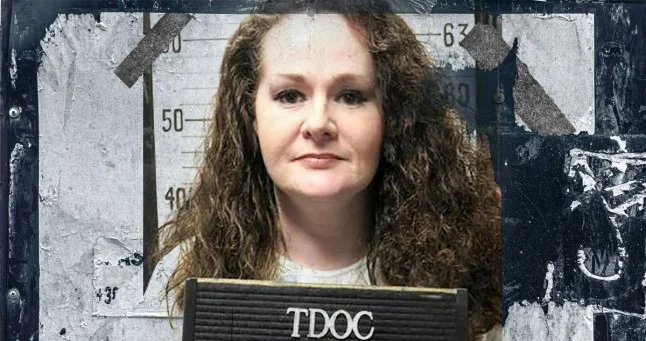
**The Complicated Fate of Christa Pike**
The case of Christa Pike, a convicted murderer, has taken a staggering turn as she faces an uncertain future following a botched execution in Tennessee. After surviving seven attempts at lethal injection, Pike is currently in critical condition in a Nashville hospital, where she remains intubated and unconscious. Her lawyers express serious concerns, stating that while her immediate survival is uncertain, the long-term prognosis is equally daunting. Stephen Ferrell, her attorney, highlighted the ambiguity surrounding her condition after she failed to respond to the execution protocol. He remarked, "She's guarded. I’m not sure who may have seen her."
The broader implications of this situation are significant. If the state decides to pursue another execution attempt, questions arise regarding Pike’s health and ability to withstand such measures. Ferrell fears that if they do not proceed with another execution, Pike "may not fully recover." The dilemma is further complicated by the physical trauma she endured during the execution attempt; her arms were left burned and blistered, a result of the executioner's struggles to locate a suitable vein.
As the public and media digest the fallout from this incident, much remains unresolved. Tennessee's authorities have not yet confirmed whether they intend to execute Pike again, but her future remains delicately poised between life and death. This raises ethical questions about the feasibility of executing a person in her condition; if she does recover, will it be justifiable for the state to attempt execution once again? The state now faces intense scrutiny, not only for the execution methods employed but also for the handling of Pike's medical privacy, as a third party has been granted her medical power of attorney.
As this story continues to unfold, it bridges the gap between legal proceedings and moral debate, interrogating our criminal justice system's infallibility in executing capital punishment. Pike's case could represent the tipping point for further examination of lethal injections as a viable form of execution, particularly in light of the evident human factors at play. Whether the state of Tennessee can proceed with a clear conscience remains to be seen, as vigilantly observed by both advocates and opponents of the death penalty.
Discussion
Sign in to join the discussion.