Keegan Swenson ties the Leadville Trail 100 men's win record while Melisa Rollins secures her second win, showcasing thrilling tactical racing.
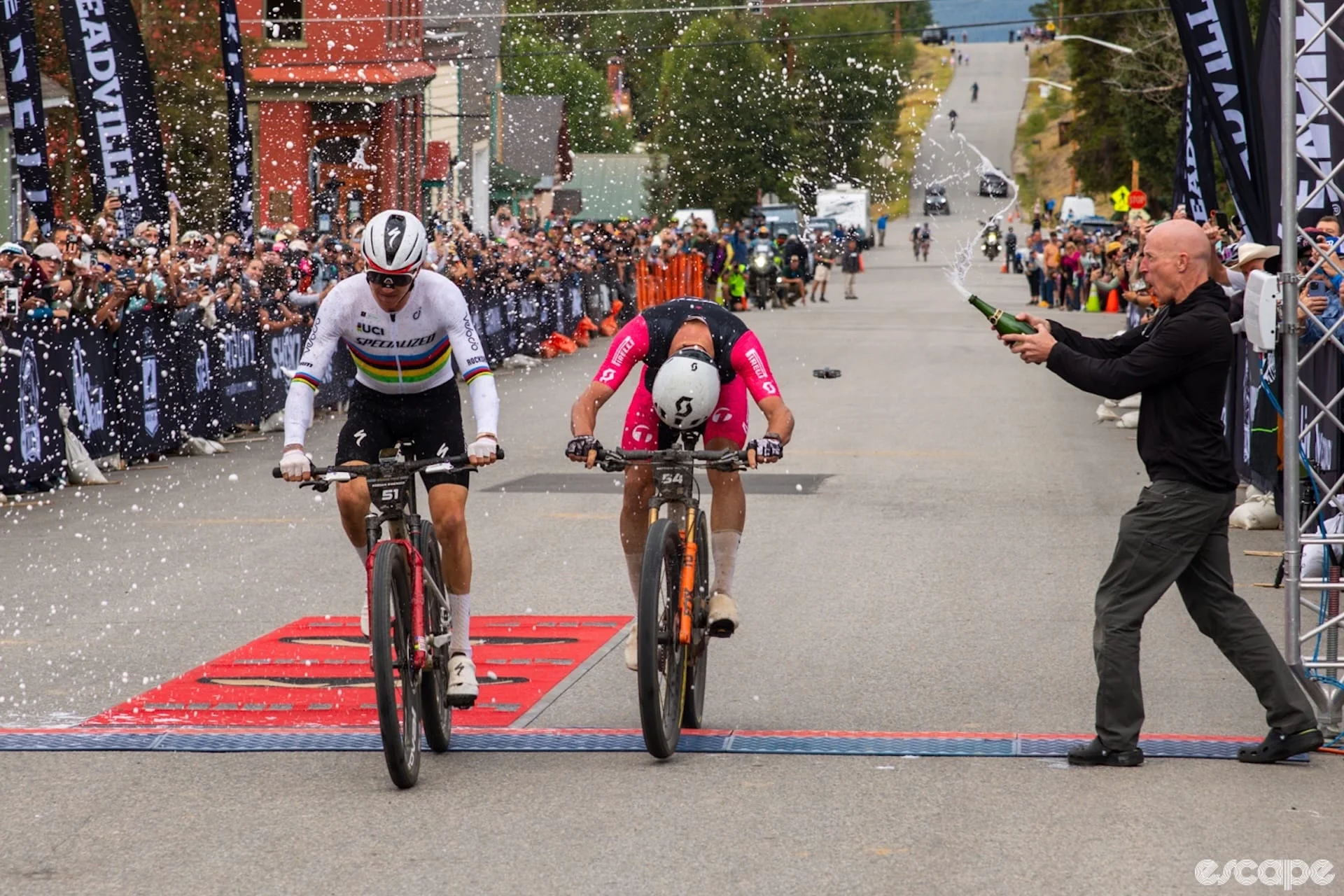
Keegan Swenson of Specialized has achieved a remarkable sixth victory at the Leadville Trail 100, matching the event's record, while Melisa Rollins added to her accolades with her second win in a thrilling women's competition. Both races were characterized by strategic racing dynamics on a revamped course.
Swenson's Tactical Mastery
Swenson navigated the tension-filled course adeptly, distinguishing himself from a group that initially included about 20 competitors. During the Columbine Mine climb, he decisively pulled ahead, eventually catching early leader Drew Dillman. This climb is often a pivotal moment in the race, where strength and strategy can drastically influence the outcome. As the race unfolded, a competitive group of seven cyclists formed: Swenson, Matt Wilson (Scott), Bradyn Lange, Cole Paton, Simon Pellaud, Andreas Seewald, and John Gaston. "I had a small gap, but it wasn’t enough to stay away... so I figured it was best to wait for those guys and then just roll with them," Swenson shared, revealing insights into his race-day mentality.
What’s fascinating here is how Swenson effectively balanced individual ambition with tactical collaboration. He understood the dynamics of cycling races — that alliances can form, and strong riders can benefit from working together, even momentarily. This race wasn’t just a matter of strength; it was about timing and connection with other racers. By conservatively waiting for his competitors, he kept his energy reserves while learning their strategies, setting a mental chess game into play.
The Crucial Final Stretch
As the race progressed, Swenson responded to an attack from the formidable John Gaston, known for his consistency at Leadville. After a brief regroup among the leaders, Swenson made another decisive move alongside Wilson. The tension in the final five kilometers became palpable, showcasing how endurance testing this journey can be. Wilson, competing in his first Leadville race, took on the majority of the work, but Swenson was biding his time. Then, with less than 200 meters to the finish, he unleashed a powerful sprint — the kind that separates winners from nearly-winners. This wasn’t just about speed; it was about executing a well-planned strategy under pressure, demonstrating that tactical acumen is integral in such high-stakes environments.
“It was just such a different race, very tactical,” he noted in a post-race livestream. He elaborated that, with only St. Kevin’s and Columbine as the main climbs of the day, “it really changed how the race played out.” That assessment reveals how even slight alterations in course can compel riders to revise their strategies. The absence of more climbs means riders must think differently about how and when to attack and conserve energy. It’s a detail that many outside the cycling community may overlook, yet it can define the performance of seasoned competitors like Swenson.
Melisa Rollins: Resilience in Adversity
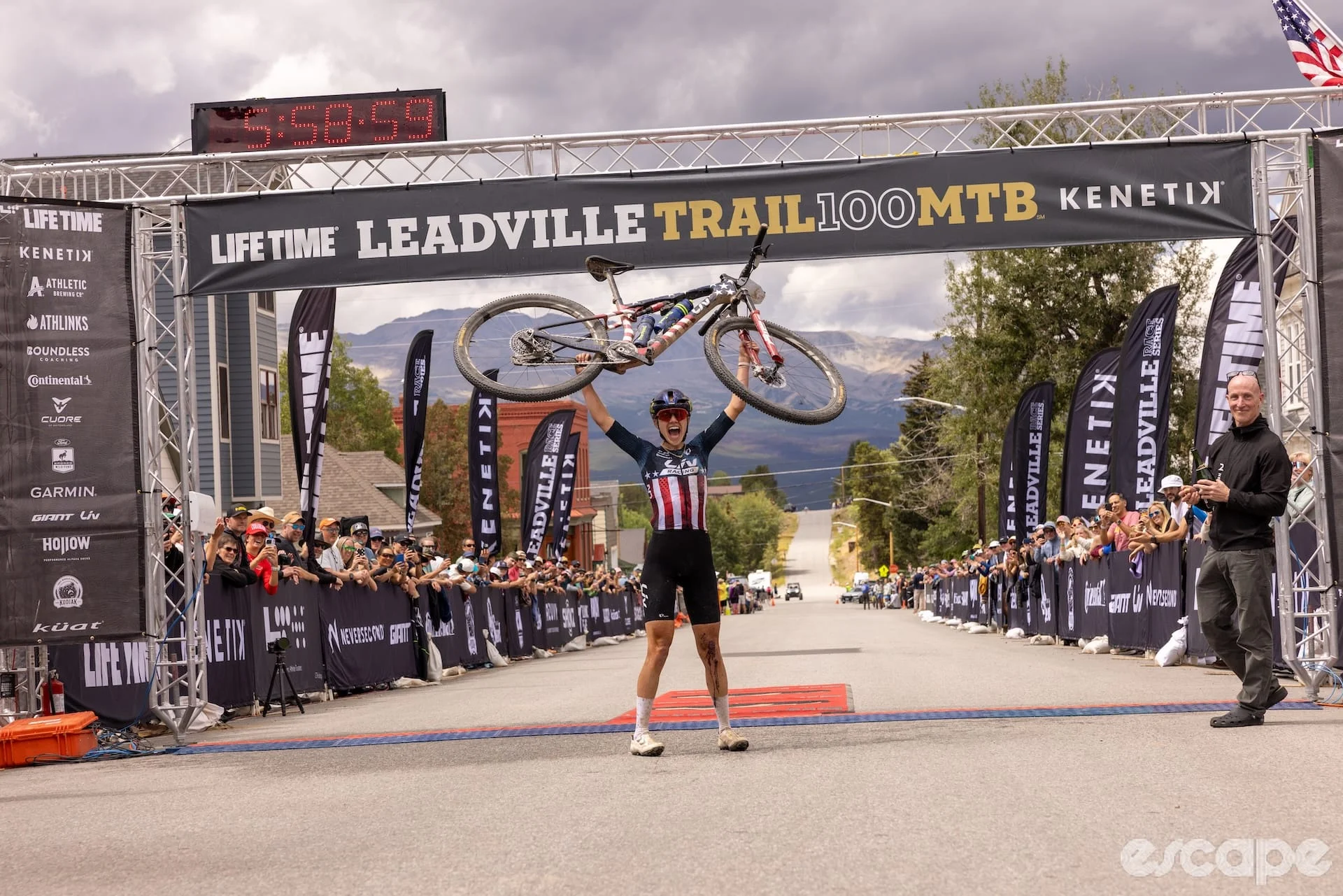
On the women's side, Melisa Rollins had a challenging start due to an early crash that placed her behind the leaders. Recovering from such setbacks can often be psychologically taxing, and yet Rollins displayed remarkable tenacity. As Cecily Decker surged ahead along with Sarah Lange immediately after the initial ascent of St. Kevin's, the early signs positioned Decker for what seemed like a comfortable lead. For Rollins, the situation required not just physical recovery but a mental reset to reclaim her focus.
Despite Decker maintaining a solo lead for a significant portion of the race, Rollins wasn’t giving up. She caught up with a four-rider chase group, including Lange, Lauren Stephens, Alexis Skarda, and Hayley Preen. By the time they reached the summit of Columbine, Decker was a minute ahead of Rollins, who had successfully separated from her pursuers. The act of closing that gap is not merely about speed; it’s a testament to her strategic planning and markers set by her competitors.
Ultimately, Rollins' resilience paid off. She clinched her second victory in the Leadville Trail 100, further reinforcing her status among the event's elite competitors. Her performance illustrates that pressure can catalyze triumph, especially in high-stakes races where every second counts.
Significance and Future Implications
This year's Leadville Trail 100 demonstrated the necessity of adaptability and tactical acumen in bike racing. For Swenson, equaling the event record carries weight beyond personal glory; it raises the bar for competitors aiming to establish themselves in the sport. His ability to read the race and assess when to expend energy offers valuable lessons for upcoming races.
Rollins' victory emphasizes the importance of mental resilience, particularly in women's competitions where unpredictable events can alter trajectories. If you're working in this space, the implications are significant. The interplay of tactics, strategy, and recovery will likely shape the narratives leading into the next season and beyond. It sets a tone for future athletes who must learn to engage not only with their physical conditions but also with the tactical elements of racing.
The perspectives of both Swenson and Rollins will certainly resonate with fans and other contenders alike. As the cycling community reflects on these performances, one thing’s clear: the next Leadville Trail 100 is already shaping up to be a spectacle worth watching.
Discussion
Sign in to join the discussion.