Lindsay Clancy's defense is challenging a juror's conduct after a mistrial was declared, raising questions about a potential retrial.
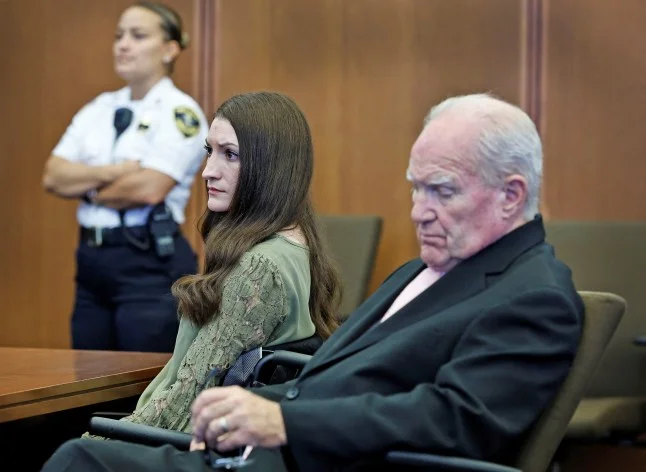
Lindsay Clancy's legal team has initiated a motion to investigate alleged misconduct by a juror following the declaration of a mistrial in her highly publicized case. Defense attorney Kevin Reddington filed the motion last week, aiming to determine how a juror, labeled 'Juror Doe', used his mobile phone during deliberations held between 8 AM and 4:30 PM.
Juror Misconduct Allegations
The use of mobile phones during jury discussions contravenes established state court regulations designed to preserve the integrity of legal proceedings. Reddington's motion not only seeks clarification on the juror's phone use but also questions the honesty displayed during the jury selection process. This challenge reflects a broader concern about how new technologies can impact traditional jury deliberation processes, an area that courts are still grappling to define.
This trial, which extended over six weeks and involved testimony from over 80 witnesses, highlights the complex nature of the case. Each juror’s decision holds weight as it reflects both legal judgment and moral considerations. Given the emotional weight and multifaceted issues presented, a mistrial creates uncertainty, not just for the parties involved but also for social perceptions of the judicial process.
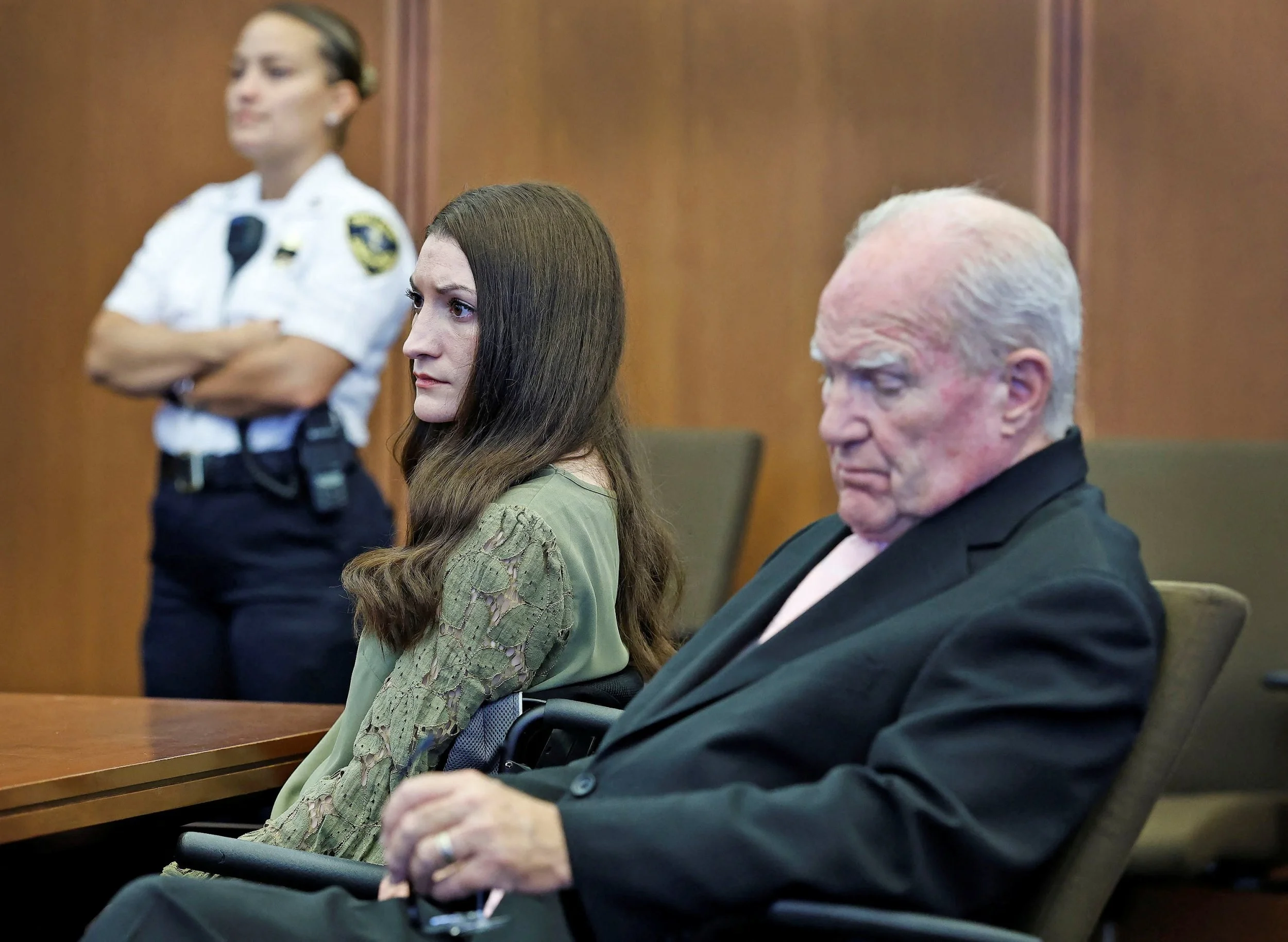
The Trial and its Implications
Clancy admitted to the actions that took the lives of Cora, five, Dawson, three, and Callan, eight, in January 2023, but maintained that she was suffering from postpartum psychosis. This mental health condition complicates discussions around culpability. The prosecution countered by contending that, despite her severe depression, Clancy had the lucidity to make premeditated choices. In cases like this, the interplay between mental illness and intent becomes pivotal, shaping not just verdicts but public attitudes towards similar tragic incidents.
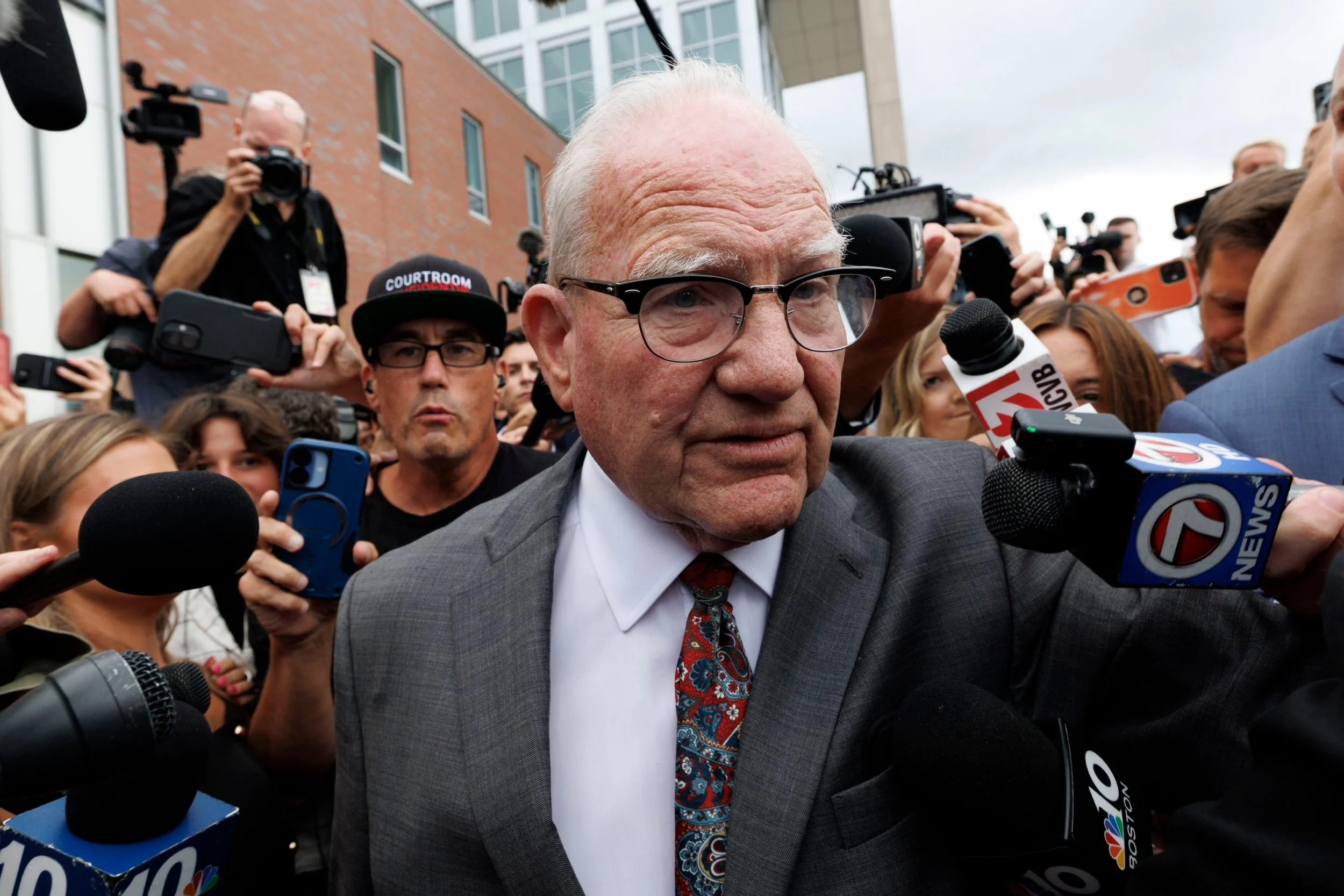
Reddington has expressed sharp criticism of the juror, claiming that the phone misconduct obstructed what may have been a verdict of not guilty. His assertions reflect a growing anxiety within the defense community regarding how juror behavior can skew the judicial process. After the mistrial, the juror, Michael Desronvil, unexpectedly defended his stance in a public statement delivered through his attorney. At 48, he described feeling repeatedly interrupted during deliberations, suggesting that his insights into the complexities of the case were overlooked in favor of a more conventional narrative.
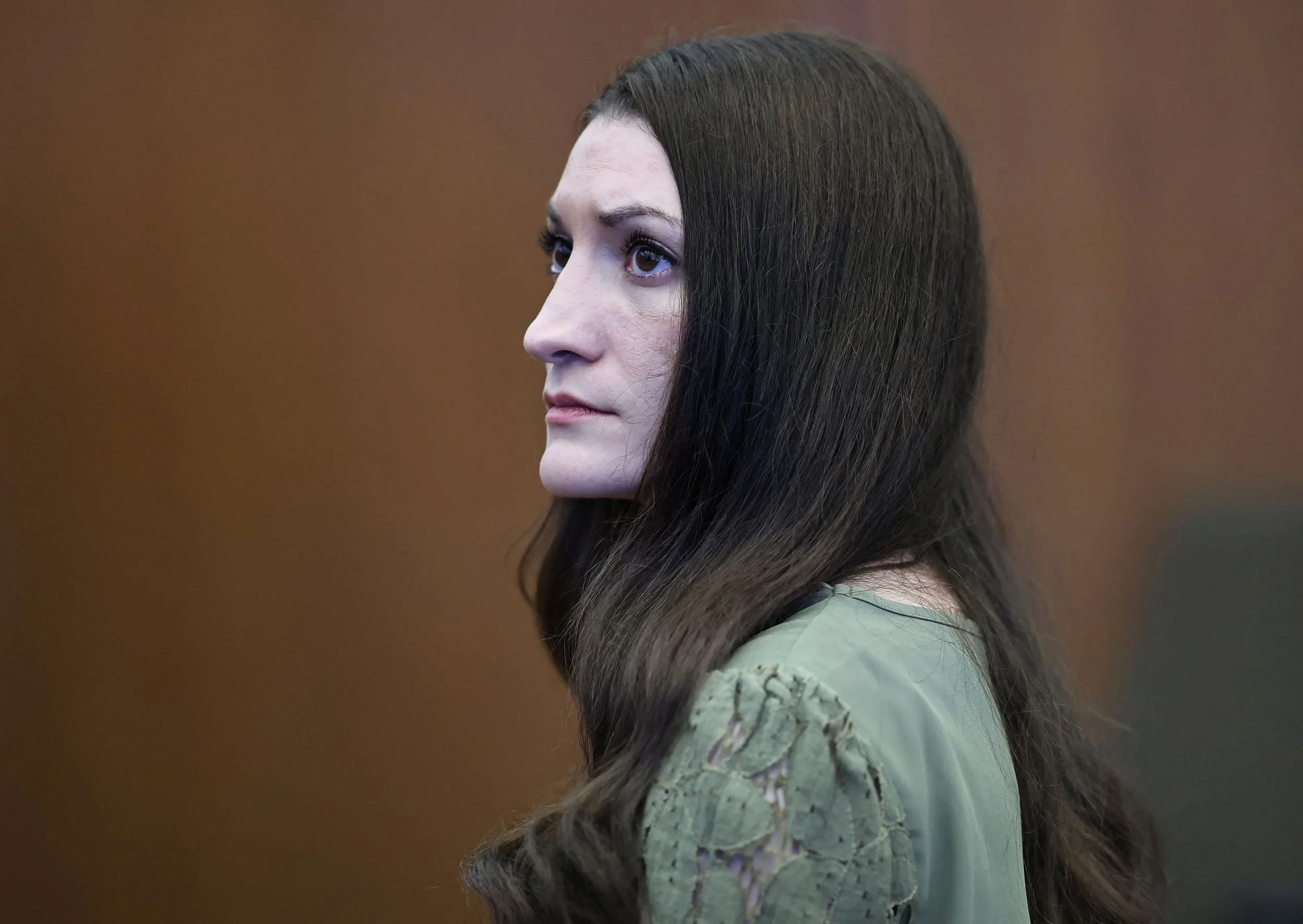
Juror Responses and Broader Concerns
Desronvil emphasized that based on the presented evidence, he believed Clancy demonstrated awareness of her actions, which subsequently led him to conclude that her decisions were premeditated. His lawyer, Edward Paltzik, sharply criticized Reddington's motion, labeling it not only an unwarranted attack on Desronvil but an affront to jury integrity itself. He accused Reddington of attempting to leverage pressure on jurors to conform to a specific narrative.
In his rebuttal, Paltzik argued that the motion endangers the foundation of the U.S. judicial process. He stressed that if jurors are coerced into silence simply for having differing opinions, the integrity of the Sixth Amendment is at stake—a concern that resonates deeply with advocates of jury independence.
Compounding the uncertainty, three female jurors have offered their insights into the decision-making process in this case. They explained their challenges in persuading Desronvil to align with their unanimous stance. Juror Roni Carlson highlighted the ongoing tension in deliberations, asserting that although Clancy admitted to her actions, the focus should have been her mental state at the time—an element that many still find contentious. Another juror, Kellie Farina, expressed her frustration with the prosecution’s approach, which she characterized as cold and lacking in empathy throughout the trial.
As the case approaches further proceedings on September 29 in Plymouth, all eyes will be on the prosecution's decision about pursuing a retrial. What this means for you, if you're working in this space, is that the outcomes could set precedents on juror conduct and trial integrity, impacting not just this case but future trials as well.

Reflecting on the Case
In a separate interview, Patrick Clancy, Lindsay's ex-husband, reflected on the aftermath and his journey toward forgiveness. He discussed the emotional toll of losing their children, emphasizing how mental illness should be considered in legal contexts. His perspective adds a human element to the trial's discussion, revealing the tragedy's complexities beyond mere legal interpretations.
The ramifications of such high-profile cases are profound. Not only do they raise questions about jury protocols, but they also examine the ethical dimensions of mental health in legal settings. As public discourse evolves, and as trials become more publicized, there's a pressing need to critically assess both the processes and implications that emerge from them.
Discussion
Sign in to join the discussion.