Mitch and Steve examine the resurgence of core skate shoe brands, discussing ownership and future prospects in this niche market.
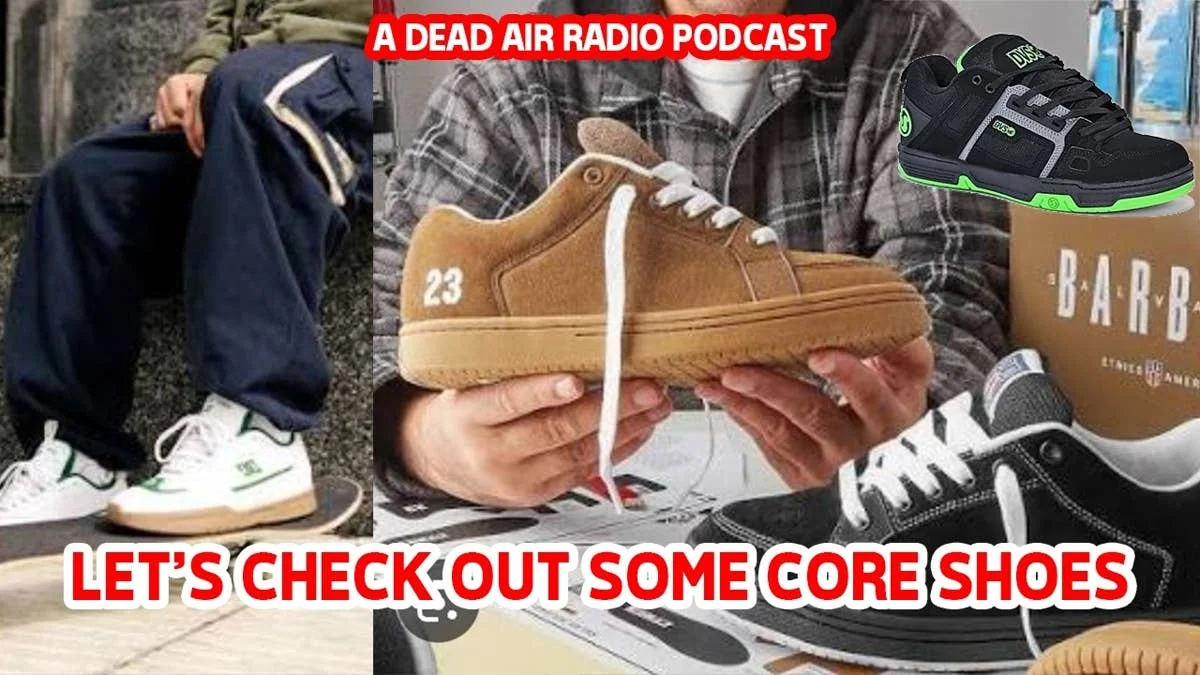
This week, Mitch and Steve are back, diving into the world of "core" skate shoes and sharing their firsthand impressions. The duo from Dead Air Radio scrutinizes brands like DC and DVS. They ponder questions about brand ownership and speculate whether licensing companies are positioning themselves to rejuvenate these names.
The State of Core Skate Shoes
The world of skateboarding has always had its share of iconic footwear, with core skate shoe brands like DC and DVS leading the charge for years. These brands have become synonymous with the culture, often serving not just as functional equipment for skaters but also as symbols of the lifestyle that surrounds skateboarding. In this conversation, Mitch and Steve focus on what these brands currently represent in a market that's increasingly drowning in choices. Beyond functionality, skate shoes need to come with authenticity, and that's a prevailing theme in their analysis. When brands lose touch with their roots or allow themselves to be absorbed into larger consumer products conglomerates, they risk alienating their core customers. The skaters who swear by—dare I say, live by—their shoes are keenly aware of this. After all, skateboarding transcends the act of riding; it's a subculture with its own values, aesthetics, and styles. That's where brand ownership enters the discussion. Many well-known skate brands have been sold to larger corporations over the years, which raises the question of whether they’re losing their identity. Licensing companies appear to be stepping in, potentially attempting to reinvigorate these names in a landscape that's rapidly changing.Licensing and Brand Identity
Licensing—a common practice in many industries—means allowing another entity to produce goods under a trademark. While this can give a brand financial stability, it often leads to a dilution of original values. For skaters, authenticity isn't just a buzzword; it’s a necessity. This is what adds a layer of complexity to Mitch and Steve's discussion. They can’t help but wonder if the revival of certain brands signals a return to the roots of skate culture or is merely a marketing tactic designed to exploit nostalgia. This notion isn’t new. Brands like Vans and NikeSB rose to prominence by maintaining their core values while expanding their appeal. Others, like Etnies or Osiris, haven't quite fared as well. The contrast raises an important question: Can a brand truly return to its core identity once it has wandered too far from it? If you’re working in this space, these dynamics are crucial to consider.Community Implications
The skate community is tight-knit. Skaters talk frequently about brands, and they’ve got the unique ability to sniff out inauthenticity. The discussions springing from Mitch and Steve's insights could provoke deeper conversations within forums and skate parks. Are these changes in brand strategy reflective of a larger trend toward authentic skate culture, or are they simply outbursts of an outdated idea in an era dominated by social media? This brings us to the heart of the matter: how does a brand reconnect with its audience? One possible answer lies in community involvement. Brands aiming to reclaim their "core" status might consider transparency in operations, collaborations with local artists, or support for grassroots skate events. This could go a long way in regaining lost trust and fostering a sense of belonging among skaters. (and this is the part most people overlook) Authentic engagement isn’t just a nice-to-have; it’s essential in a market with increasing scrutiny. Brands that fail to align their marketing with the actual experiences of the skateboarding community may find themselves shunned despite their efforts.Future Outlook
What does the future hold for these skate brands? Let's face it, skate culture is far from stagnant. The rise of online platforms has given a platform for new voices and ideas, leading to diversification in style and approach. Emerging brands are capitalizing on the potential for a more inclusive skate culture, and that could change the axis of core brand identity. Should brands like DC and DVS embrace these changes? It’s a double-edged sword. Adapting to a broader audience while maintaining core principles is tricky but necessary. If they can strike the right balance, they may well reinstate themselves as key players in this space. The challenge remains. The skate community is renowned for its skepticism of pretenders. Mistakes from the past can shadow even the most promising attempts at revitalization. As Mitch and Steve continue their discussions, the skate world will be watching. As their listeners, you can stay ahead of these unfolding narratives. For skate enthusiasts unwilling to miss out, stay updated by subscribing to the TransWorld SKATEboarding newsletter or check out their YouTube channel for more engaging content.Discover more insights from Mitch and Steve by exploring their previous discussions, such as the latest controversy surrounding Lakai 2.0 — read here.
Discussion
Sign in to join the discussion.