Discover the story behind lost skate photos of Mark Gonzales and Natas Kaupas captured by Grant Brittain, revealing unexpected locations and moments.
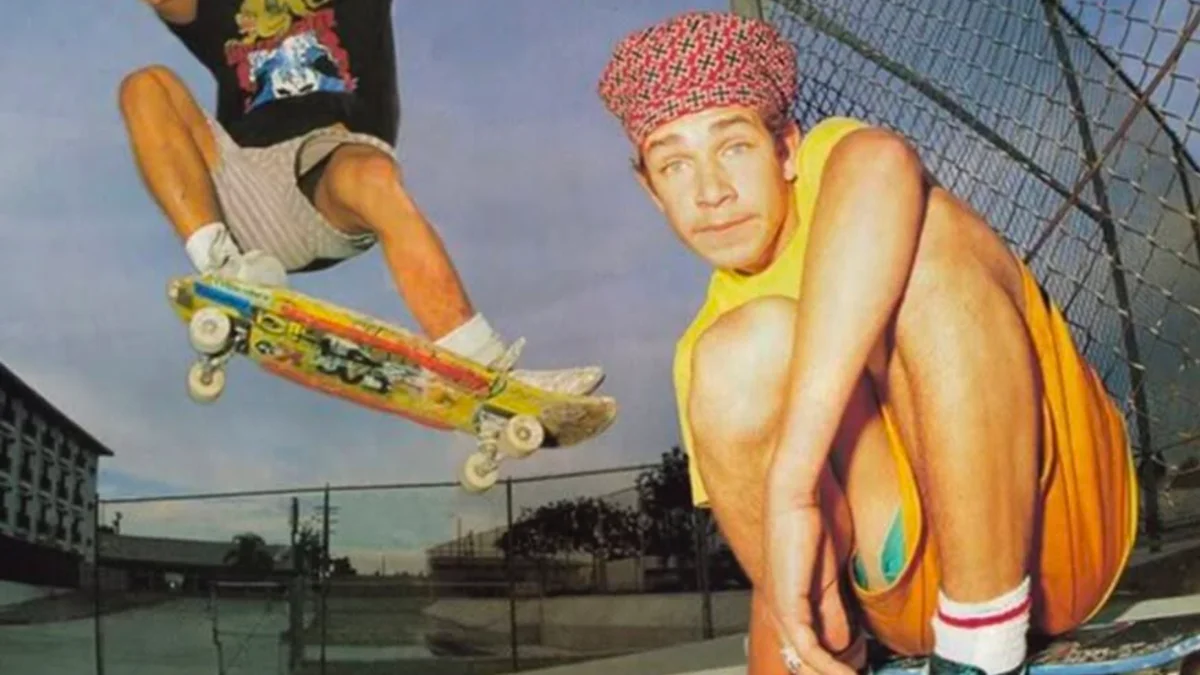
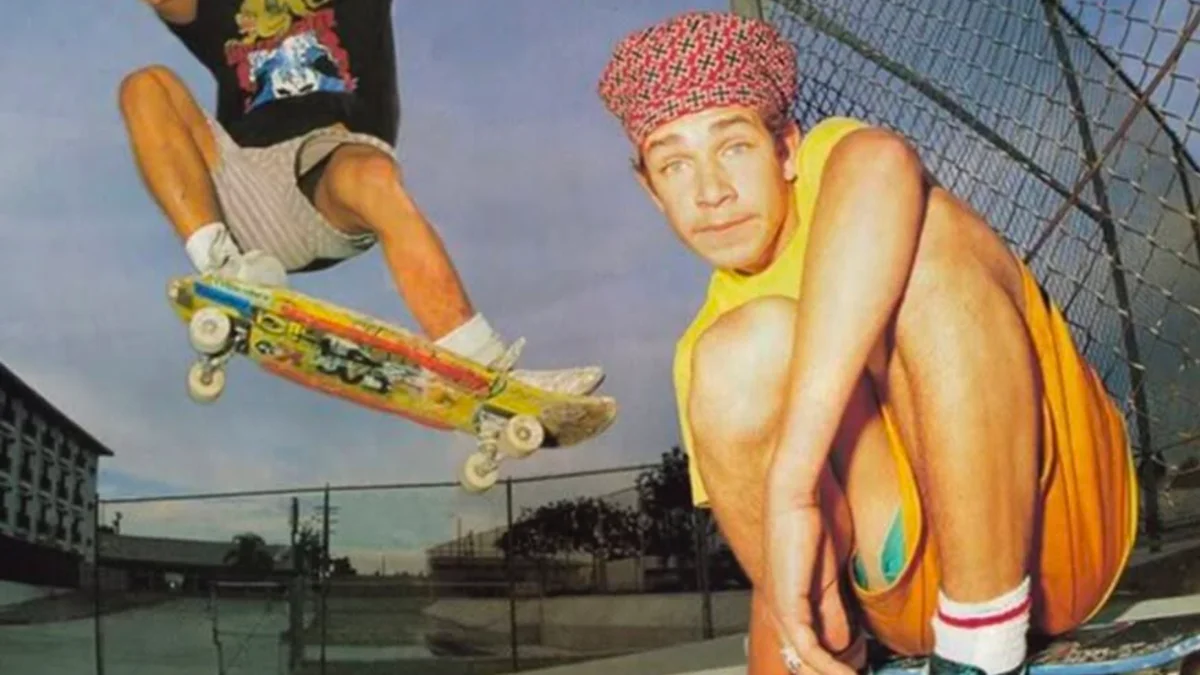
It all began when my friend Derek Flood stumbled upon some vintage photos featuring Mark Gonzales and Natas Kaupas skating at an obscure San Diego schoolyard. The intrigue came from two factors: first, this location isn't among the legendary spots often associated with skate culture, and second, both skaters hailed from Los Angeles. So how did they end up there?
Uncovering Skate Culture History
The world of skateboarding is rich with stories that often get overlooked. While locations like Venice Beach and the infamous X Games dominated headlines, some lesser-known spots have quietly borne witness to the sport's evolution. The discovery of Gonzales and Kaupas skating at a San Diego schoolyard is an example of this hidden history. It reveals how far-reaching the culture was, spreading beyond the typical skateboarding hotspots.
The legendary duo, both pivotal figures in skateboarding, represents a generation that reshaped the sport's style and perception. Mark Gonzales, often referred to as the “Gonz,” is legendary for his creative approach to skating. Natas Kaupas brought an unprecedented level of athleticism and flair. Together, their presence in an unexpected location signifies a moment that might otherwise be lost to time.
The Photographer's Perspective
It didn't take long to figure out that Grant Brittain, TransWorld's first Photo Editor since its inception in 1983, was behind the camera. His work is not just documentation; it’s artistry that captures the essence of skateboarding. Brittain's photographs have become iconic, serving as visual records of an era defined by innovation and rebellion in the skateboarding world. Each frame tells a story, often representing a nexus of creative movement that many young skaters reference today.
After multiple conversations with Grant, it became evident that the crew had also visited the renowned School W, Jerabek Elementary, where he captured a plethora of iconic images. That particular day of skating, and the places chosen for those sessions, reflect the accessibility of skate culture. Back then, you didn’t need a dedicated skatepark; the world was your playground. With skaters exploring schools and plazas, they broke traditional norms in pursuit of creative expression.
Skateboarding’s Cultural Significance
The significance of a seemingly simple photograph transcends visual appeal. It’s a representation of a community that has always thrived on spontaneity and raw creativity. Skateboarding has pushed boundaries while often mixing with other cultural movements, such as punk rock and street art. This cross-pollination is evident in the styles and personas of skaters like Gonzales and Kaupas, whose influence continues to reverberate across various aspects of art and lifestyle today.
What unfolded in just one day, nearly four decades ago, resonates in today's skate scene. The versatility and freedom championed by these early skaters paved the way for future generations to experiment. Skateboarding has grown globally, yet aspects of its original ethos remain intact—freedom, rebellion, and creativity are still at the forefront.
Rediscovering Old Memories
A shoutout to Derek Flood and Grant for uncovering this piece of skate history. The excitement generated by resurrecting these images is palpable. These moments in time, particularly ones that surface decades later, often prompt those familiar with the culture to reflect on how much has changed and how much has stayed the same. For older skaters and enthusiasts, it’s almost like déjà vu – a reminder of the carefree days spent chasing thrills and the rush of skating.
For those who are new to skateboarding, these photos serve as an introduction to the roots of the culture and the personalities that shaped it. It can spark interest and appreciation for the craft, urging the next generation to carry on this legacy. If you’re working in this space, these rediscovered moments are invaluable, not only for their aesthetic but for the stories they evoke.
Related: Grant Brittain’s Legendary Cover Shot Becomes a Mural in Encinitas
Implications and Future Outlook
This resurfacing of historical skate imagery speaks to a broader trend of rediscovering and reclaiming cultural artifacts. It also highlights the necessity of preserving skate history, especially as large corporate influences encroach on skate culture. Many fear that as skateboarding is embraced by mainstream entities, the authentic narratives and local stories might get overshadowed. The validation and visibility gained through these rediscoveries challenge that notion, showing that even small, local spots can hold significant value in the community.
As we look ahead, the challenge will be to continue to spotlight these hidden narratives while ensuring a space for newcomers to engage with skate culture without losing what makes it special. Authenticity remains key, and the conversations that arise from such discoveries can help bridge generational gaps. The world of skateboarding, much like its culture, is a living argument between past influences and present expressions. And we're here for it.
Discussion
Sign in to join the discussion.