In an emotional revelation, Patrick Clancy discusses his path to forgiveness after the tragic murder of his three children by his ex-wife, Lindsay.
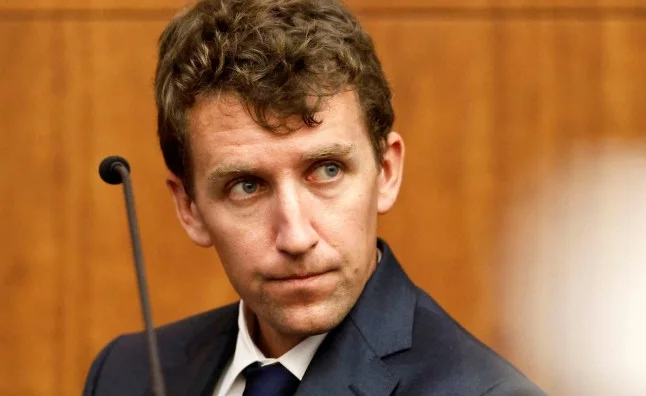
Patrick Clancy has opened up about the immense weight of forgiveness following the heart-wrenching actions of his ex-wife, Lindsay Clancy, who killed their three children. He expressed that harboring resentment would mean he’d "be eaten up inside forever." This deeply resonates with many who have faced unimaginable loss, thrusting Patrick into a complex emotional landscape that very few can relate to.
Understanding Mental Health and Postpartum Issues
During a recent interview, Patrick highlighted the challenges he faced while supporting Lindsay through her mental health struggles, noting a lack of understanding about postpartum illnesses at the time. Research shows that many new parents, and especially mothers, often experience various forms of mental health issues, from anxiety to severe mood disorders. “I didn’t know how to manage a postpartum illness,” he shared with CBS, suggesting that mental illness can often operate under a shroud of deception.
This specific type of mental illness can be overlooked, even by those closest to the affected individuals. Society often fails to provide adequate education and support regarding postpartum conditions, leaving families ill-equipped to navigate such challenging terrains. Patrick's candid remarks further highlight a systemic issue: the stigmatization of mental health treatment, especially following childbirth. His narrative underscores why mental health education is paramount for prospective parents and healthcare providers alike.
The Trial and Its Implications
This past summer, Lindsay Clancy faced trial for the tragic murders of Cora, five, Dawson, three, and Callan, eight months, all occurring in January 2023, before she attempted to take her own life. Present in court confined to a wheelchair, she sustained injuries from jumping out of a second-floor window during her crisis. This detail, often overshadowed by the gravity of her actions, illustrates the desperate state of her mental health at that moment.
Patrick's testimony concentrated on Lindsay’s ongoing battle with mental health, emphasizing that she had never denied the killings. Her defense argued that she was in a state of postpartum psychosis, suggesting she couldn't be held criminally responsible at the time of the tragedies. This introduces a complicated discussion about accountability and the nature of mental illness. If mental health issues are indeed behind such actions, how does the justice system weigh culpability?
Symptoms of postpartum psychosis—considered a medical emergency—include severe confusion, delusions, and dangerous thoughts related to self-harm or harming others. Patrick’s account sheds light on the pressing issue of mental health during the perinatal period. The legal implications of using mental health defenses are immensely complex and warrant an informed public discourse.
The Mistrial and Its Aftermath
The jury’s verdict was complicated by the dissent of one juror, ultimately leading Judge William Sullivan to declare a mistrial three weeks ago. This situation has added layers of complexity to an already tragic scenario, as jurors' identities were sealed due to fears for their safety. The outcome raises questions about the jury system itself and whether jurors were sufficiently prepared to grapple with the difficult elements of mental health defense.
The prosecution claimed Lindsay's actions were premeditated, alleging she deliberately sent Patrick out on an errand to isolate him at the critical moment. Patrick, reflecting on the aftermath, described how deeply harmful speculation regarding his role has been, impacting the legacy of his children. Mistrials in sensitive cases can prolong the emotional turmoil for families and communities, raising the stakes for how narratives get shaped in the court of public opinion.
Rebuilding a Life in the Aftermath
After relocating to New York City with his new wife, Rachel Danis, Patrick expressed hope for a normal future. "I live with the outcome,” he said, emphasizing his ongoing struggle with grief but also his determination to share the story of his children with future offspring. This suggests a purposeful effort to channel his experience into something valuable, pushing back against the pervasive despair that tragedies like this can instill.
The case is set to return to court on September 29 at the Plymouth Superior Court in Massachusetts, leaving unresolved questions about accountability and mental health in the context of profound tragedy. If you're working in this space, the outcome of this trial could influence public policy discussions surrounding mental health resources and postpartum care.
Implications and Future Outlook
The events surrounding this case force us to reconsider how society handles discussions on mental health, particularly in high-stakes situations involving criminal acts. There’s a significant gap in how mental health issues—especially postpartum disorders—are discussed in legal contexts. The inability to reconcile mental illness with accountability could lead to further calls for systemic changes in both legal frameworks and healthcare approaches.
As more cases like this emerge, observers should reflect on what this might mean for future defendants claiming mental health defenses. Past patterns show increasing awareness, but awareness isn't action—and there's a long road ahead.
For further inquiries, contact the news team at [email protected].
For more coverage, visit our news page.
Discussion
Sign in to join the discussion.