The Maryland football program has restricted media access, disallowing follow-up questions during press conferences as coach Mike Locksley faces mounting pressure.
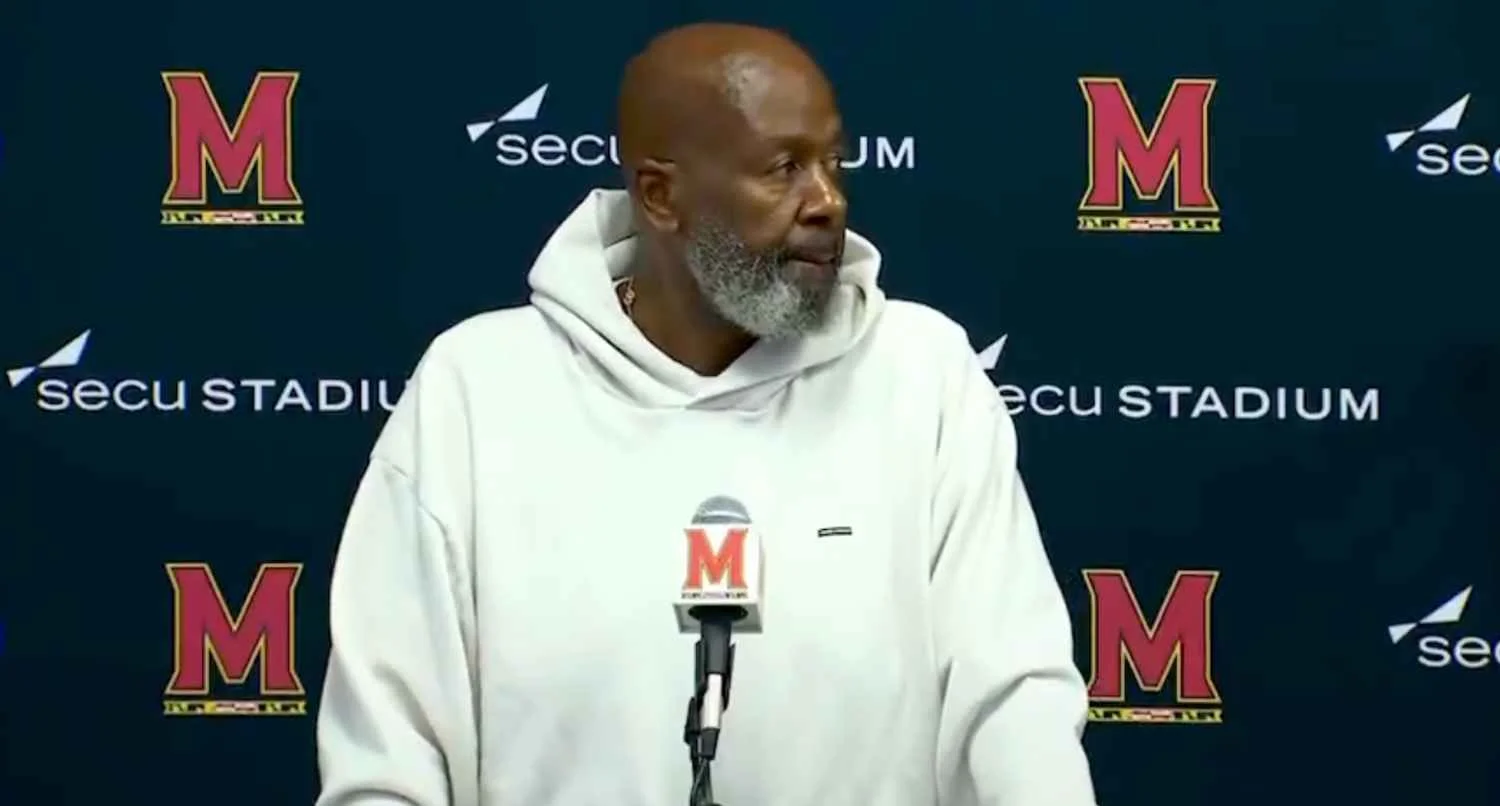
When a college football program starts tightening its media access, it's usually an indication that things are amiss. This seems to be the case for the Maryland Terrapins, as the school has reportedly imposed a new policy restricting follow-up questions during press conferences for head coach Mike Locksley.
Locksley finds himself in a precarious position in his eighth season, especially after last year's disappointing records of 4-8. Although the season began with optimism following a 2-0 start, the recent 35-26 home defeat to Virginia Tech has intensified scrutiny of his leadership, bringing heightened expectations from fans and the media.
During a recent press conference, Taylor Lyons from the Baltimore Sun attempted to press Locksley on the coach's repeated assurances of learning from losses. After raising concerns about the team's lack of progress, Locksley interrupted, directing Lyons to rephrase his query. It became evident that the conversation was abruptly controlled when Maryland's PR staff intervened, taking the microphone away from Lyons before he could fully articulate a follow-up question.
Asked Michael Locksley if he believes he deserves more chances to keep *saying* he’s going to learn from losses while rarely actually doing so.
Here’s the back and forth. Tried following up but a Maryland PR staffer took the mic out of my hand and Locksley did not look at me. pic.twitter.com/WEJ2x4T0KQ
— Taylor Lyons (@taylorjlyons) September 22, 2026
Lyons articulated the frustration among fans and reporters: “After losses like Saturday, you keep saying you’re going to learn from them,” he remarked. Locksley countered with a statement acknowledging the fans' frustrations but stressed that real change would come from efforts off the podium, away from the spotlight.
After Locksley's commentary, Lyons attempted to revisit his original point, yet his attempted follow-up was ignored as another reporter took the floor. The abrupt removal of the microphone served as a clear signal that Maryland's athletic department has instituted this policy specifically for Locksley’s press conferences.
Maryland PR apparently has a new policy this year to not allow reporters to ask follow-up questions in Locksley’s pressers. Was never a thing before this season. I’ve had staffers come up and actually grab the microphone out of my hand multiple times in the past few weeks. https://t.co/IR4Vqf7Pvq
— Taylor Lyons (@taylorjlyons) September 22, 2026
This limitation on media interaction drew broader criticism from fellow journalists who expressed discontent with the restriction of press freedoms. “Moderated press conferences are the worst,” tweeted On3 Oklahoma reporter George Stoia III, while ESPN Bengals reporter Ben Baby pointed out that such media restrictions would be unacceptable in the NFL. The commentary reflected a shared sentiment among reporters about the challenges of obtaining straightforward answers in such controlled environments.
Atlanta radio host Heath Cline encapsulated the prevailing mood: “Always a sign things are going well when you’re putting policies in place to prevent reporters from getting actual answers to the questions they asked.” These insights underscore a growing concern regarding transparency and accountability within college athletics.
Though dealing with the media can be uncomfortable, particularly under scrutiny from a disillusioned fanbase, Locksley’s annual $6.1 million salary indicates he's expected to handle tough questions about his team's performance and future direction. As the pressure mounts, observers will be keen to see how this evolving media policy plays out and whether it reflects deeper issues within the Maryland football program.
The environment surrounding Locksley is undeniably challenging, but it's essential for leaders in high-stakes positions to engage with the narratives shaping their teams, especially when facing adverse outcomes. It remains to be seen how Maryland's media access limitations will affect public perception as the season progresses.
Discussion
Sign in to join the discussion.