Aaron Rodgers' recent media engagements reveal a troubling trend of passive-aggressive remarks towards head coach Mike McCarthy, raising questions about their dynamic.
Emerging Tension in the Steelers' Locker Room
Following a disappointing performance against the New England Patriots, Pittsburgh Steelers quarterback Aaron Rodgers addressed the media. At first, his statements gave the impression of accountability. “In a game like today where there wasn’t a lot of flow to it, we need to be better, and it starts with me,” he stated, seemingly embracing self-reflection. But as is often the case in sports media narratives, things took a turn.
His subsequent comments suggested a deeper discontent. “I have to make sure that Mike knows what’s working and what’s not working,” he added. This statement, rather than merely reflecting selflessness, implied a belief that his head coach, Mike McCarthy, may not fully grasp the dynamics of game play. Such a comment can easily be interpreted as an indirect critique, raising questions about the trust and communication between coach and quarterback.
Rodgers's Pattern of Critique
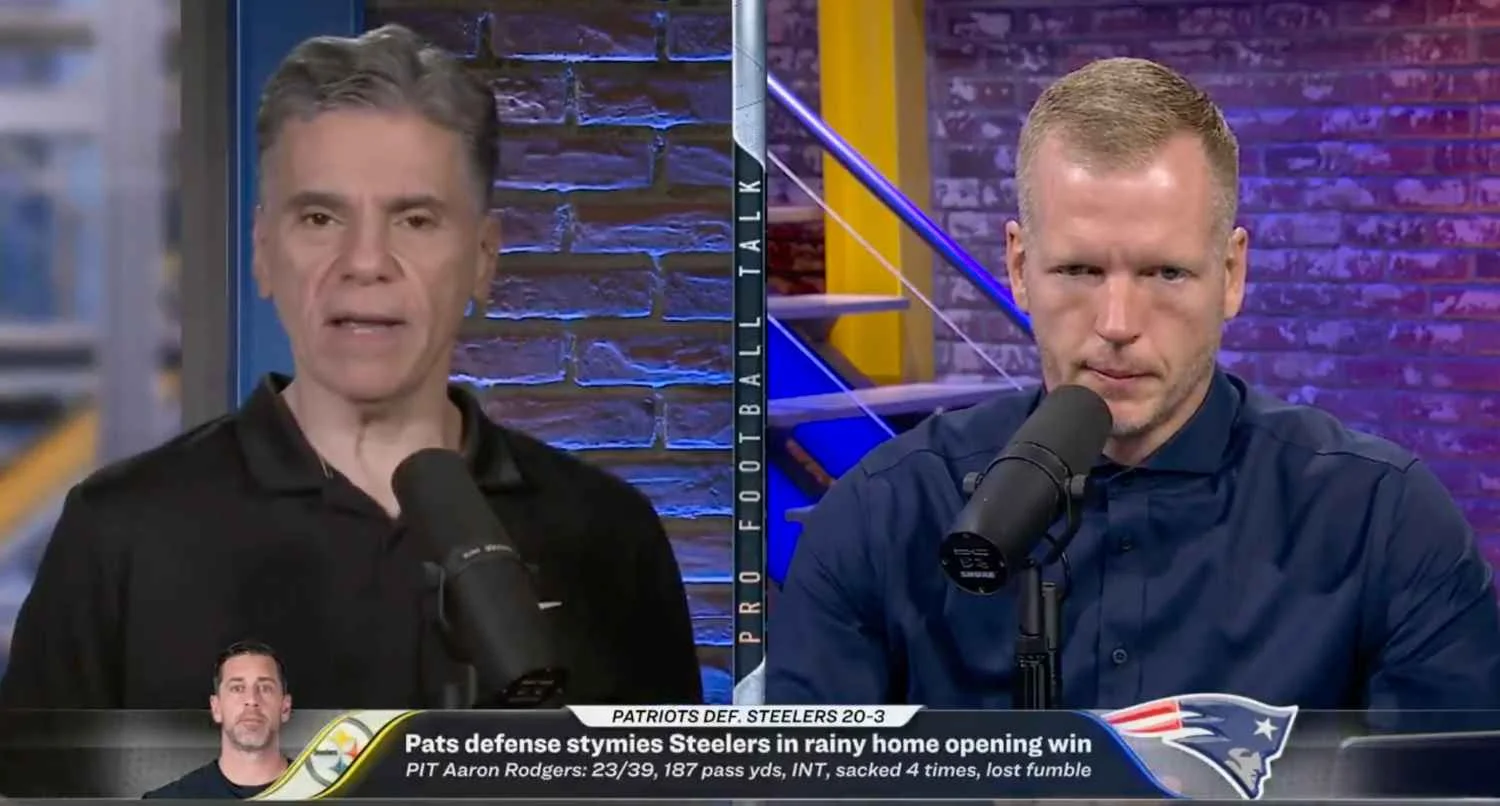
This isn’t the first instance of Rodgers taking aim at McCarthy. NFL analysts like Pro Football Talk’s Mike Florio have documented a recurring pattern in Rodgers’ comments, which often have a passive-aggressive tone. These remarks not only undermine McCarthy’s authority but also suggest an ongoing struggle for power and respect within the team's hierarchy. Florio specifically pointed out how these comments seem to echo a troubling past when Rodgers and McCarthy were both with the Green Bay Packers, suggesting a long-standing conflict rather than a transient issue.
Aaron Rodgers has begun tiptoeing toward making passive-aggressive comments about Mike McCarthy. pic.twitter.com/HegF9JOs3A
— PFT Live (@PFT_Live) September 21, 2026
The implications are significant. “It’s only week 2, and he’s already tiptoeing back toward the passive-aggressive comments,” Florio observes, harking back to seasons when Rodgers suggested it was the coach's responsibility to energize the sideline. Here’s the thing: this type of commentary highlights more than just a simple critique—it underscores the complex dynamics within the team's leadership and foreshadows potential discord as the season unfolds.
The Broader Implications of Rodgers' Remarks
Rodgers' criticism is telling. It hints at a culture within the Steelers where calling out a coach has less risk than it typically would. "You’re calling out your coach," Florio commented. This raises an interesting point: if Rodgers feels unconcerned about potential repercussions, what does that say about the atmosphere in the locker room? In positing these critiques, he paints himself as a mere messenger delivering "truth" rather than leveling direct criticism. This strategy can create a disconnect between the expectations of a leader and the habits he fosters through his public comments.
This media behavior is amplified in venues like The Pat McAfee Show. There, Rodgers has been unfiltered, opining on various topics—including his views on vaccines and his relationships with media figures. Such open and candid expressions help reinforce a narrative that suggests he’s distancing himself from conventional team dynamics. This, combined with ongoing tensions, indicates that things might not be as solid as they appear behind closed doors.
If you're working in this space, understanding these dynamics becomes crucial. The potential for escalating frustrations within the locker room could result in a series of additional subtle digs from Rodgers. If the Steelers' performance continues to decline, this cycle can create an even more toxic environment, as serious tensions might transform press conferences into forums for passive-aggressive exchanges.
The ongoing friction between Rodgers and McCarthy should not be overlooked. One has to wonder how this unstable dynamic could affect not only game strategy but also locker room culture. If the team keeps struggling, we could witness a season ripe with discontent both on the field and in practice. With every comment, Rodgers highlights the instability that could loom large over the Steelers' season.
Implications for the Future
The dynamic within the Steelers’ organization might lead to long-term implications. The friction between Rodgers and McCarthy isn't merely about two individuals; it reflects larger issues about leadership, communication, and accountability. As job descriptions in professional sports evolve, these interpersonal dynamics will shape how fans perceive management and success. The disconnect in communication could lead to further delineation among players, coaches, and management, making it difficult to establish cohesion.
Moving ahead, the effects of this tension might extend beyond the immediate season. A fractured locker room can have a contagious effect, possibly leading to a lack of trust across various levels of the organization. With both the player performance and team morale at stake, it becomes increasingly necessary for management to navigate this situation delicately. How they choose to address these emerging tensions will determine the trajectory of the season—and beyond.
Discussion
Sign in to join the discussion.