The Packers suffered a shocking fourth-quarter collapse against the Vikings, offering insights into their gameplay and decision-making.
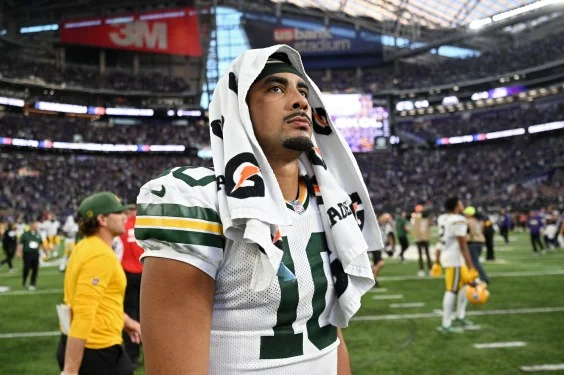
Questions abound following the Green Bay Packers' stunning fourth-quarter collapse against the Minnesota Vikings in a divisional showdown that went from dull to dramatic. For most of the game, even as the fourth quarter unfolded, the Packers held a comfortable lead, largely thanks to a third-quarter field goal from Trey Smack, which extended their advantage to eight points with 13:17 left.
The Turning Point: A Risky Decision
However, a pivotal moment shifted the game's tide. Following an offside penalty against the Vikings, Coach Matt LaFleur opted for a risky call on fourth-and-1 instead of settling for another field goal. Jordan Love's attempt to secure a first down fell flat, signaling a troubling turn for the Packers. This decision reflects a broader trend in the NFL where coaches often gamble rather than take the safer route of accumulating points. In high-stakes games, this type of play can ignite or dim momentum for a team.
In this case, LaFleur's choice backfired. The Packers, who were in control, suddenly opened the door for the Vikings, who capitalized on the shift in energy. Critics will argue that a head coach should take the points on offer in the fourth quarter, especially when the game is balanced delicately. Choosing to go for it is a bold move, but results matter. When a team relinquishes momentum so abruptly, it often leads to cascading effects that can haunt them throughout the rest of the game.
The Vikings Seize the Moment
From that point, the Vikings capitalized, undergoing a remarkable 22-point scoring surge, ultimately sealing a 39-22 victory. This speaks to the psychological component of the game, where confidence can fuel performance. The Vikings, buoyed by the Packers' failure to convert that crucial fourth down, executed plays that were both aggressive and efficient. This rapid scoring run wasn't merely about the Packers’ failures; it highlighted the Vikings’ ability to exploit weaknesses when they present themselves.
We've seen similar scenarios play out in other games. Think back to how momentum shifts can alter the course of an entire match. In the NFL, a sudden surge in confidence can turn a beleaguered team into a strategic juggernaut. The Vikings illustrated this phenomenon perfectly, illustrating how key moments become the pivot points in a game. There’s a psychological edge that teams can gain when they sense vulnerability in their opponents, and the Vikings capitalized immeasurably on this opportunity.
The Packers’ Offensive Struggles
It's vital to examine what drove this collapse. Were the Vikings simply finding their rhythm in those final moments? Did the Packers' offensive struggles reveal deeper issues, or could external factors, such as officiating calls, have contributed to their demise? These are questions fans and analysts alike will be pondering in the aftermath of an unexpected defeat.
Jordan Love's performance has been subject to scrutiny. While he hasn't been a liability, the inconsistency in execution raises eyebrows. An offense that can't deliver in high-pressure situations underscored the potential flaws in their strategy and personnel choices. If you're working in this space, it's clear a quarterback's ability to read the field and manage pressure is essential for a team striving to compete in a tough division.
Moreover, while the Vikings deserve credit for their quick adjustments and sharp execution in the fourth quarter, the Packers' inability to adapt drew questions about their coaching and preparedness. There’s a troubling trend where teams fail to maintain the intensity that secured their lead. Complacency is a common trap, and when teams can’t reset their focus, it can be catastrophic.
Questionable Officiating and External Factors
It's also easy to point fingers at officiating. The decision to enforce that offside penalty against the Vikings, which arguably tilted the balance of the game, raises valid questions. Fans and analysts might argue that bad calls contribute to game outcomes, impacting a team's emotional and tactical dynamism. (And this is the part most people overlook.) Officiating controversies frequently stir significant debate within the league. They can revitalize a struggling team or deflate a leader scrambling for answers.
Looking Ahead: Implications and Future Outlook
The implications of this game stretch far beyond mere statistics. For the Packers, it might serve as a wake-up call. They've got a lot to address if they want to capture their division again. If they can't sort out their offensive rhythm and adapt under pressure, they may continue to struggle against equally fierce opponents. The loss could serve as motivation for the team to rethink strategies and prepare for high-stakes scenarios.
As for the Vikings, this victory might mark a turning point. Such performances have the potential to boost confidence and galvanize a team that, at times, has faltered under pressure. Teams that show resilience, like the Vikings did in this instance, often find themselves becoming more competitive as the season progresses. If they can build on this momentum, they might pose a significant challenge for their divisional rivals.
The competitive dynamics in this division are crucial to monitor. In a league that rewards aggressive play and mental fortitude, teams like the Packers and Vikings need to continually adapt. The challenges they face going forward will be emblematic of their growth — whether they can overcome adversity or let it define their seasons. This game serves as a reminder of how quickly fortunes can change in football, and the need for teams to be prepared for every possibility.
Discussion
Sign in to join the discussion.